

Fine Arts Faculty Brings History to the Present With Cairo Design Week
The experience takes visitors through a century of art, architecture and stories held within the Faculty's walls.
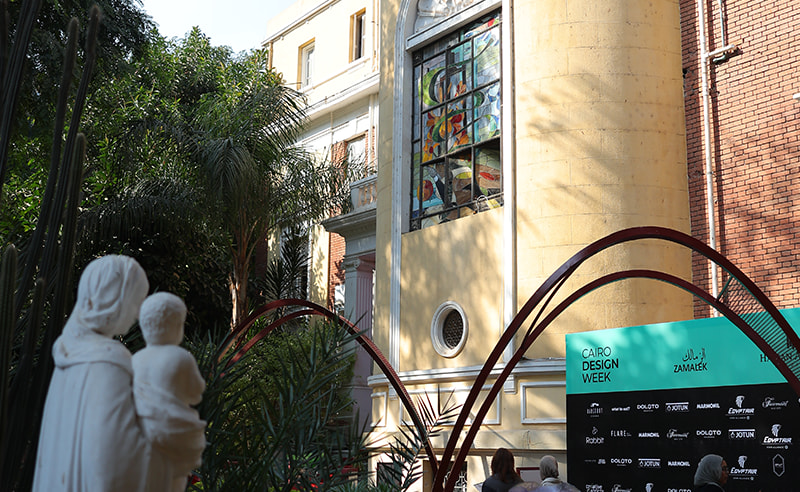
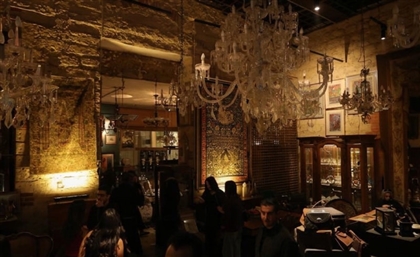
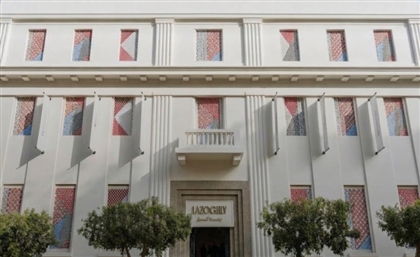
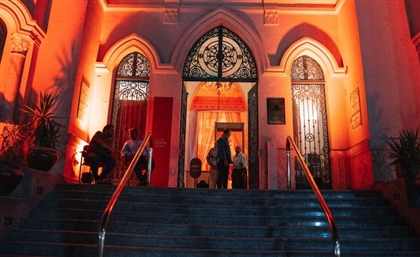
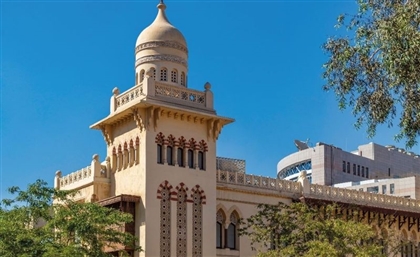
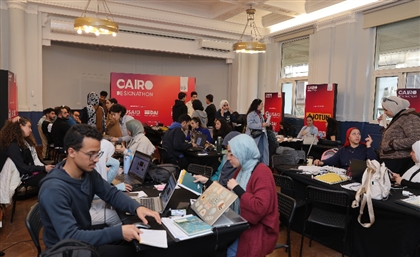
For over a century, the Faculty of Fine Arts in Zamalek has been home to generations of Egyptian artists, educators and creatives. Its buildings have served as studios, classrooms, residences and administrative offices, with each space holding a different part of the Faculty's history. For Cairo Design Week 2026, the institution has opened up these spaces to a new set of creative experiences, bringing its artistic heritage into conversation with contemporary design.
Developed in collaboration with and Meraki & Beyond, the experience takes visitors through different parts of the Faculty, revisiting the people who lived and worked there, the art produced within its walls and the architectural changes it has undergone over the years.
Established by Prince Youssef Kamal on May 12th, 1908, the Faculty of Fine Arts was the first school of its kind in the Middle East. Originally located in Darb Gamamez, it moved to Zamalek in 1935, taking over buildings associated with industrialist Ahmed Aboud Pasha. Since then, the complex has served different purposes, from a private residence and university administration offices to studios, departments and exhibition spaces, all while remaining closely tied to Egypt's artistic and cultural history.
One of the spaces revisited for Cairo Design Week is ‘Asr Aboud’ (Aboud Palace), which once served as self-made industrialist, civil engineer and investor Ahmed Aboud Pasha's residence before becoming home to generations of artists and later the university's administration. Now used as the Dean's office, the space holds a number of stories about the people who lived and worked there.
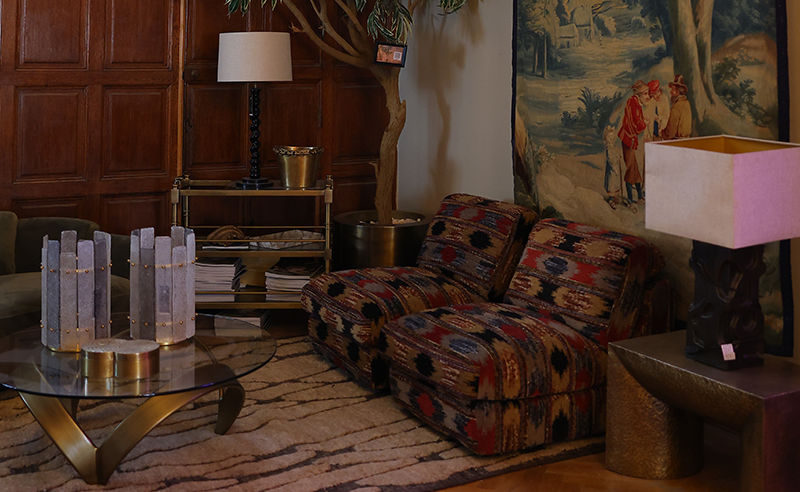
Through archival storytelling, specially composed music and a deliberately selected scent, the experience revisits some of these stories, bringing the building's former residents back into focus. The space also hosts a collaboration between fashion designers Diwani & Kufi and jewellery brands Elements, Hana Hayaly and Indira, alongside Karim Assal's Segments Experiences.
At the Faculty's Sculpture Department, ‘The Lab’ brings together works by students and artists, drawing on the different influences that have shaped the department's history. From Egyptian and Roman references to three-dimensional works, dolls and wall sculptures, the exhibition looks at the different approaches and materials explored through sculpture. It also revisits the Faculty's own artistic legacy, which includes graduates such as Egyptian sculptor Mahmoud Mokhtar.
‘The Studio’ takes a different approach, bringing together an immersive light installation, academic books and sensory elements. Titled ‘It Takes Two to Tango,’ the installation by experiential marketing company Meraki & Beyond uses light and sound to transform the space. Elsewhere, a collection of academic books dating back more than 120 years brings together Arabic and foreign-language publications, from photography and text to books combining both.
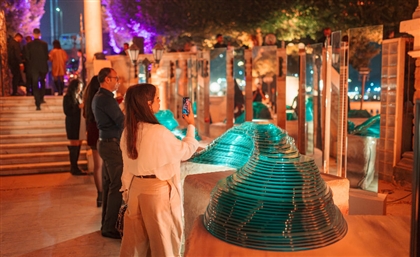
The Faculty's different architectural periods also come into focus in ‘The Collision,’ where structures from different stages of its expansion sit alongside one another. At its centre is Gamal El Segini's ‘El Nasr,’ a sculpture originally planned for the northern entrance of the Suez Canal and completed in 1974-75. Depicting a fallaha gathering grain, representing unity and the country. Its placement alongside buildings from different eras, accompanied by contemporary music and scent, reflects the changing character of the Faculty over the years.
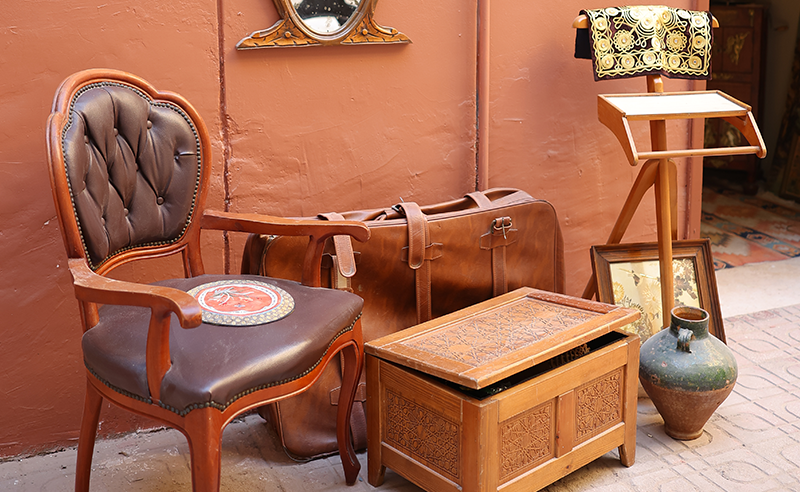 Another part of the experience looks at the history of one of the Faculty's former residents. Curated by Esorus, ‘The Trace’ takes over the former home and office of Egyptian writer Taha Hussein, exploring his writing habits and the details of his everyday working environment. Through archival material and recordings of Hussein's voice, the rooms revisit his relationship with writing and publishing. Historic British printing presses, one of which is a Furnival and Co. dating back to the 1890s, some among a limited number ever produced, are also on display. Refurbished with students in mind, the machines are intended to be used again rather than remain solely as archival pieces. The experience also includes collaborations with Dar Senosi I-Material by Paky and Tiffany, reinterpreting different parts of Hussein's creative process.
‘The Forum’ brings the Faculty's art collection into focus, displaying works dating from the 1900s, onwards. The space was once the residence of Ahmed Aboud Pasha's daughter Mona and her husband, before becoming part of the Faculty complex. The collection itself was brought together through the efforts of Dr Salah Abdel Karim, who began collecting works by artists from the Faculty's different departments, including paintings, sculptures, drawings and graphics. The villa was eventually refurbished and inaugurated as the Fine Arts Museum in 2016, now housing more than 300 works by Egyptian artists.
 ‘The Common Ground’ intends to bring together the different disciplines represented across the Faculty, from painting and sculpture to design and architecture, around a communal table in hopes of prompting meaningful conversation, while enjoying a meal. Designed as a shared space, the communal table and an architectural arch by furniture and design house Tektōn, alongside Kartell chairs and Emotions Egypt’s tableware. The table itself draws on traditional Japanese woodworking, with an emphasis on natural materials and joinery, while the arch creates a sense of enclosure, with the intention of creating a space of belonging for those gathering.
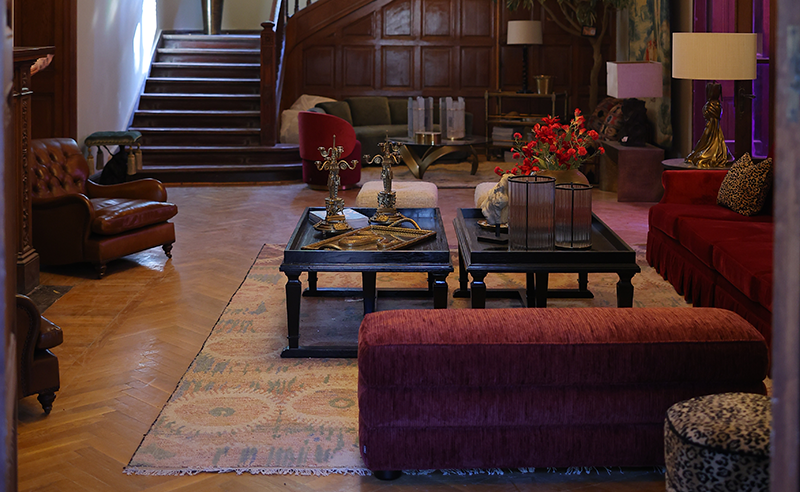
The experience also extends into 'The Courtyard,' once one of Ahmed Aboud Pasha's preferred spots for receiving guests. The staircase, which he would reportedly use when stepping out for a cigar, remains part of the space, now furnished with pieces by the likes of Rococo, Hanimex and Aquatop.
Across the complex, Cairo Design Week brought together different creative disciplines while making use of the Faculty's existing spaces and history. Rather than separating the institution's past from its present, the installations place them alongside one another, offering a closer look at the people, work and architectural changes that have shaped the Faculty over the past century.
- Previous Article Raef Fahmi Architects Puts Tranquillity at the Heart of T-Hub