

Aline Asmar d'Amman Restores a 15th-Century Venetian Palazzo
The Beirut-born architect leads an eight-year transformation shaped by Venice's layered architectural history.

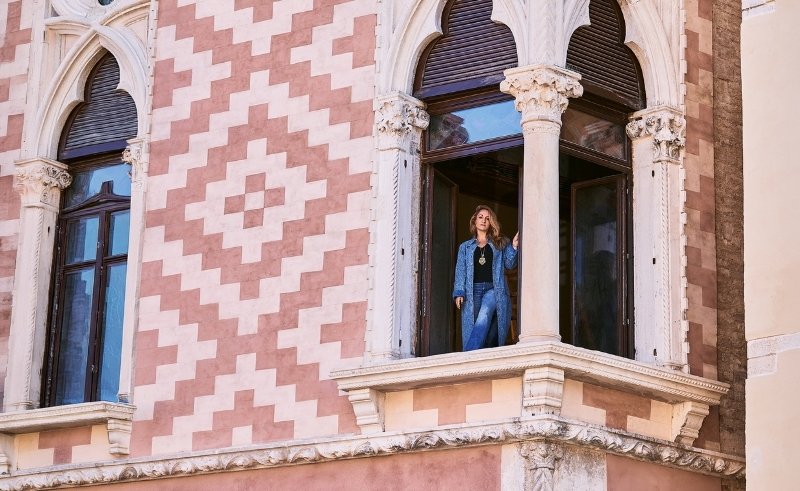
For centuries, Palazzo Dona Giovannelli has been part of Venice’s story. Located in the city's Cannaregio district, where two canals meet along the Rio di Noale, the 15th-century palazzo has lived many lives, serving as a private residence, a place for gatherings, and a backdrop to the social and cultural life of Venice. Today, it enters a new chapter as Orient Express Venezia, following an eight-year transformation led by Lebanese-born architect and interior designer Aline Asmar d'Amman.
Known for her work at the intersection of heritage architecture and contemporary design, Asmar d'Amman was entrusted with the complete renovation of the palazzo, from its interiors and spatial interventions to the curation of its artworks, antiques, and decorative pieces. Her approach focuses on uncovering what already existed, allowing layers of additions, alterations, and traces of everyday life to remain visible throughout the project.
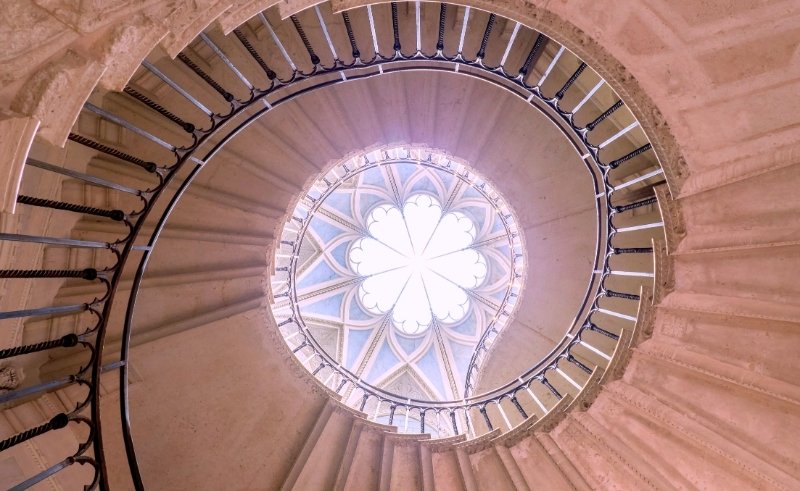
"I imagined the transformation as a theatrical sequence of wonders, In this creative journey, the walls speak, revealing layers of enchantment, magnified by the dialog with contemporary creation," says Asmar d'Amman.
That idea can be felt throughout the building. Original frescoes, carved details, and historic surfaces sit alongside contemporary interventions, creating interiors that connect Venice's past with its present. Inspired by Venice's long history as a gateway between East and West, Asmar d'Amman builds a narrative through materials.
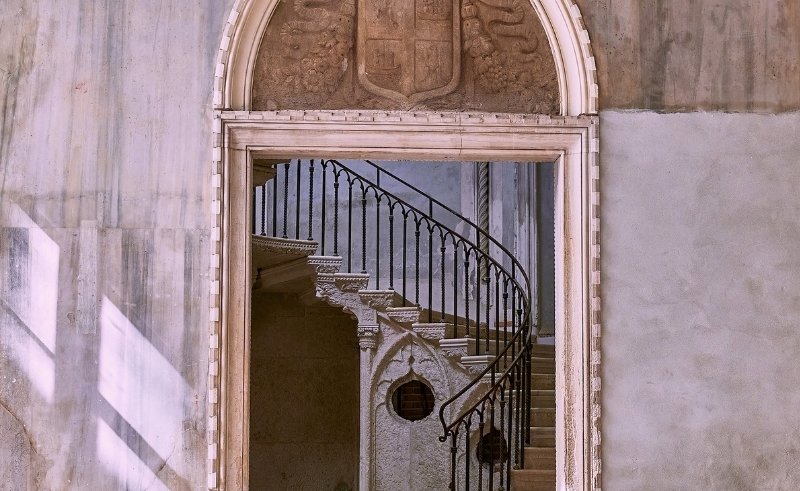
The palazzo's history unfolds room by room. Nineteenth-century interventions by architect Giovanni Battista Meduna remain in place, including neogothic detailing, and the building's octagonal staircase crowned by a celestial vault. Different architectural periods sit alongside one another, revealing how the building has evolved over time.
Colour also plays an important role in the project. Drawing on what she describes as Venice's ‘Colori Persi’, or lost colours, faded tones found in frescoes, aged textiles, and weathered surfaces reappear throughout the interiors. They emerge in curtains, furnishings, and finishes, creating a quiet connection between the building's past and present.
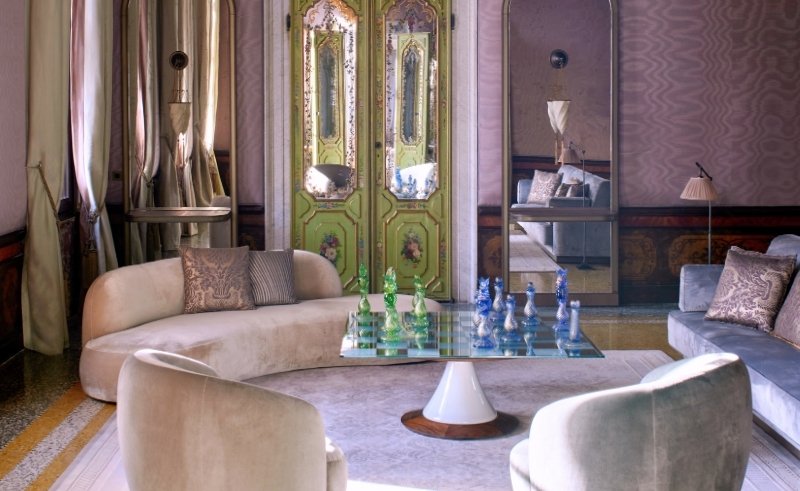
Across the main floor or the ‘Piano Nobile’, restored historical salons are punctuated by large cabinets of wonder, while tinted mirrors reflect painted ceilings and sculpted surfaces. Embossed leather, moiré silk, carved finishes, and carefully selected natural stone add further layers to the interiors. One of the most significant interventions takes place at the heart of the palazzo. What was once an open courtyard has been transformed into Corte del Conte, a large living room layered with sculpted boiserie, velvet, and Murano glass chandeliers. The space retains the scale and memory of the original courtyard while becoming a place where guests can gather and spend time.
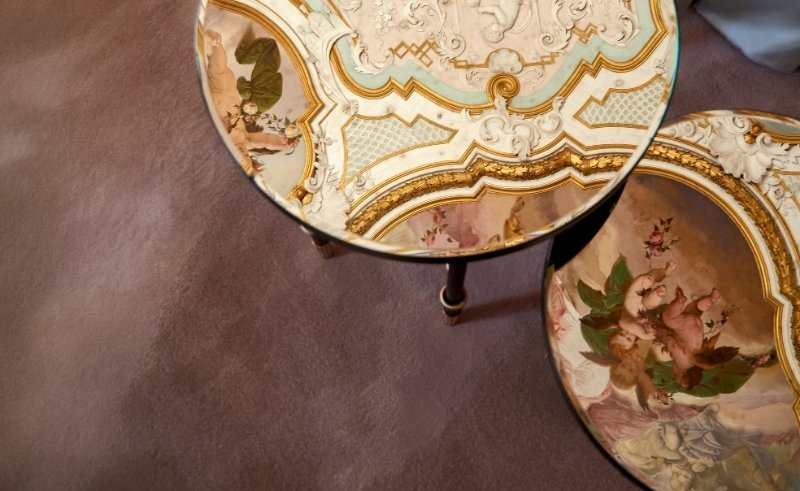
Elsewhere, a hidden garden offers a different experience of the building. Long concealed behind the palazzo's walls, it now forms part of a sequence of spaces connected through Calle Meraviglia, a passage that hosts rotating contemporary artworks and links the hotel to Venice's wider cultural scene. Throughout the project, Asmar d'Amman's attention remains fixed on the details already embedded within the building. "I find inspiration in the echoes of walls, frescoes, and sculpted ladies of the house, silent witnesses to centuries of life and memory," she explains.
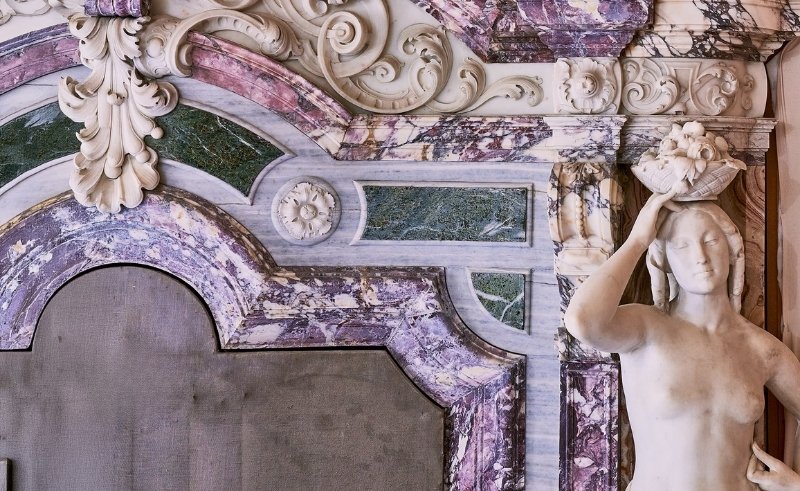
This approach continues across the hotel's 47 rooms, suites, and residences. Existing murals, sculptural ceilings, and canal-facing windows shape each interior, and carefully chosen materials and furnishings respond to the character of the spaces. The six Signature Suites preserve some of the palazzo's most distinctive architectural features, including nineteenth-century frescoes, gilded salons, marble fireplaces, and mythological murals dedicated to Minerva. Through restoration, craftsmanship, and carefully placed contemporary interventions, Palazzo Dona Giovannelli continues its long relationship with Venice, carrying its past into a new chapter.
- Previous Article Bricklab Covers Hayy Jameel’s Façade With Jeddah’s Nostalgic Awnings
- Next Article The Intricate Beauty of Ben Youssef Madrasa