

Inside The Many Threads of Moroccan Artist Amina Agueznay
Some artists work with materials. Amina Agueznay works with everything materials carry: memory, labour, ritual, and time.
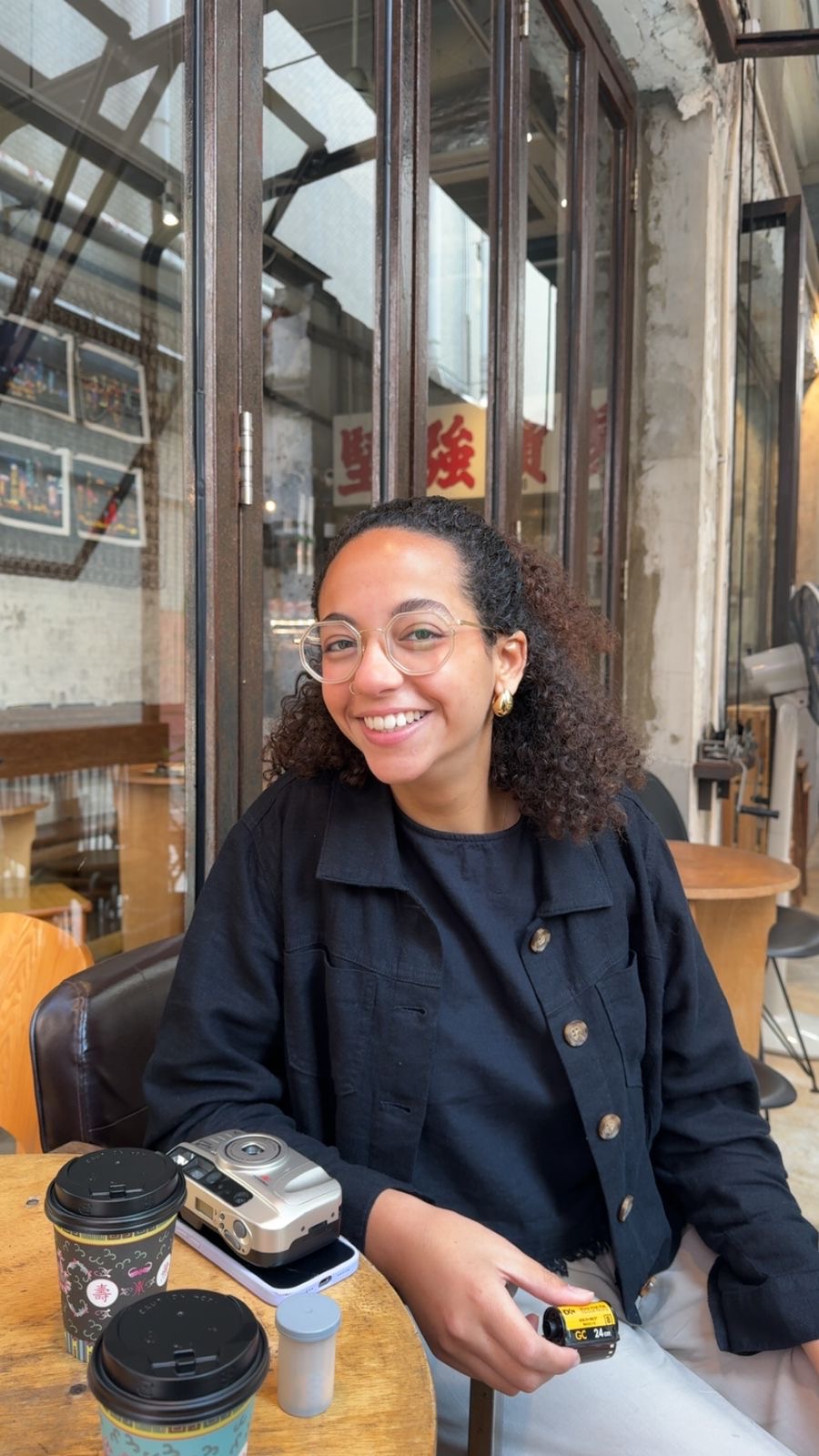
For more than two decades, Moroccan multidisciplinary artist Amina Agueznay has built a practice that sits somewhere between art, architecture and anthropology. Whether she is working with wool, metal, thread or raw fibres, Agueznay is interested in what happens when materials are touched and passed from one hand to another.
Born in Casablanca in 1963, Agueznay first trained as an architect in the United States, where she spent 10 years practicing before returning to Morocco. Architectural influences still run through everything she makes. Space matters just as much as material. Scale is carefully considered. Her installations feel immersive rather than purely sculptural.
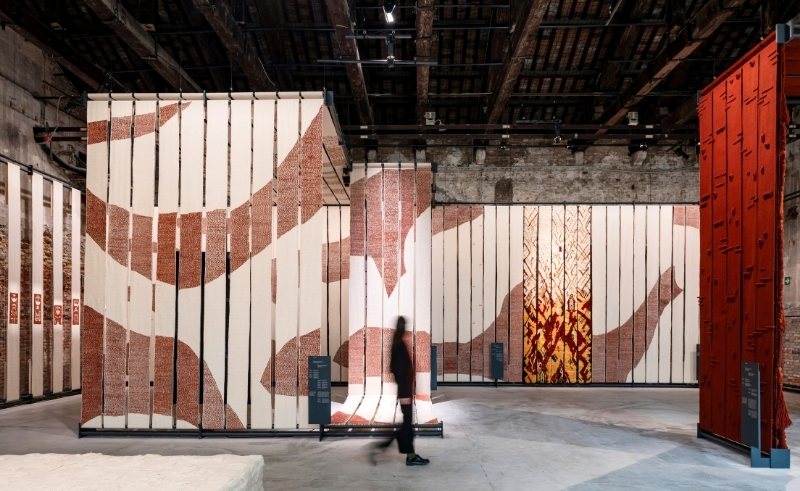 But if architecture taught her how to think spatially, Morocco’s traditional crafts shaped how she thinks materially. Agueznay’s practice has long been rooted in close collaborations with artisans across the country, from weavers and embroiderers to metalworkers, basket makers, dyers and jewellers. Her work resists treating craft as something nostalgic, instead approaching it as a living form of knowledge, one that evolves through repetition, experimentation and countless exchanges.
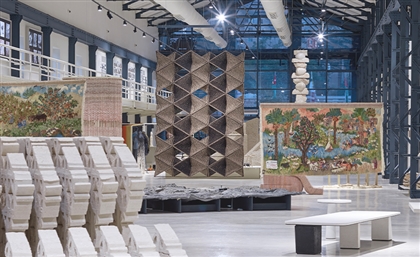
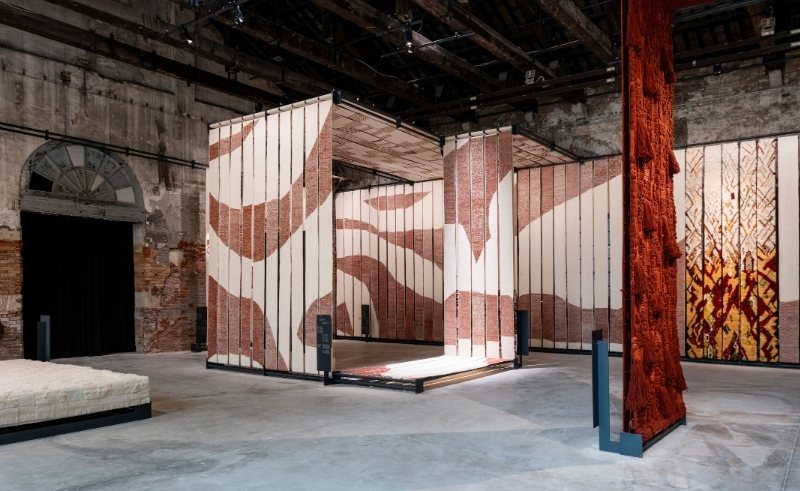
For Morocco’s first-ever national pavilion at the Venice Art Biennale 2026, Agueznay presented Asǝṭṭa, a monumental site-specific installation created with curator Meriem Berrada. Asǝṭṭa unfolds as an immersive spatial experience through what Agueznay describes as a membrane, or second skin.
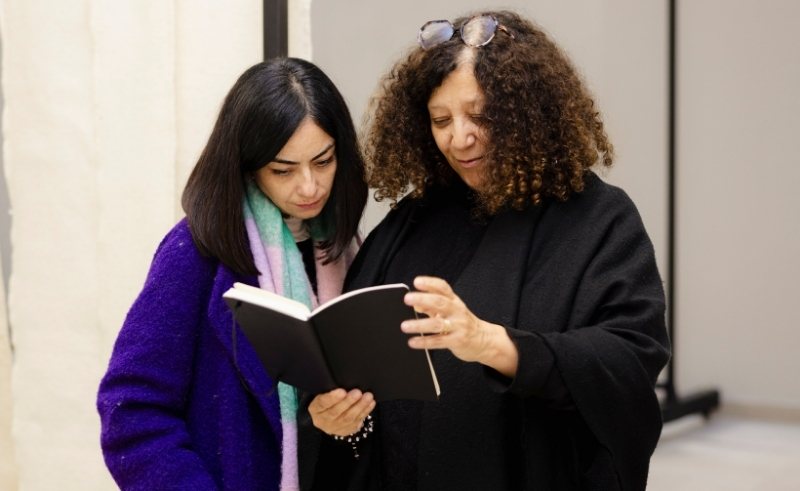 Its title comes from an Amazigh term linked to ritual weaving. The project explores craft as an active force shaping collective memory. At the heart of the installation is the idea of the âatba, or threshold, a central feature of Moroccan vernacular architecture.
The threshold here is not simply a doorway. In Moroccan spatial culture, the âatba exists as an in-between zone, mediating between inside and outside, private and public, sacred and ordinary. It is a space of passage, pause, and transition. Inside the Arsenale, Agueznay transforms this idea into something tangible, inviting visitors to move through a woven landscape of shifting boundaries.
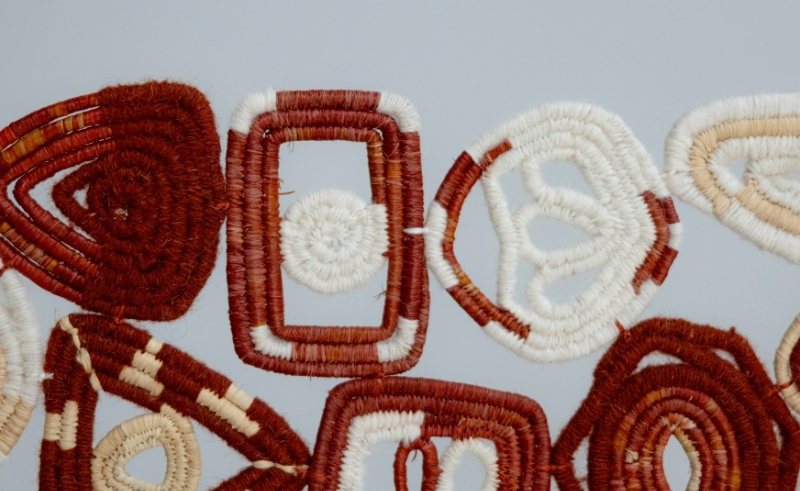
The installation unfolds gradually through layers, textures, and encounters. Woven surfaces stretch across the pavilion, forming porous structures that hold cultural stories and traces of labour.
Yet the most powerful thread running through Asǝṭṭa may be its collective nature. The project brings together 166 Moroccan artisans alongside two Venetian collaborators, each contributing as a creative voice, shaping the work through their own artistic instincts. Agueznay has described her role as that of a conductor, bringing different voices into harmony. The result, she says, is polyphonic.
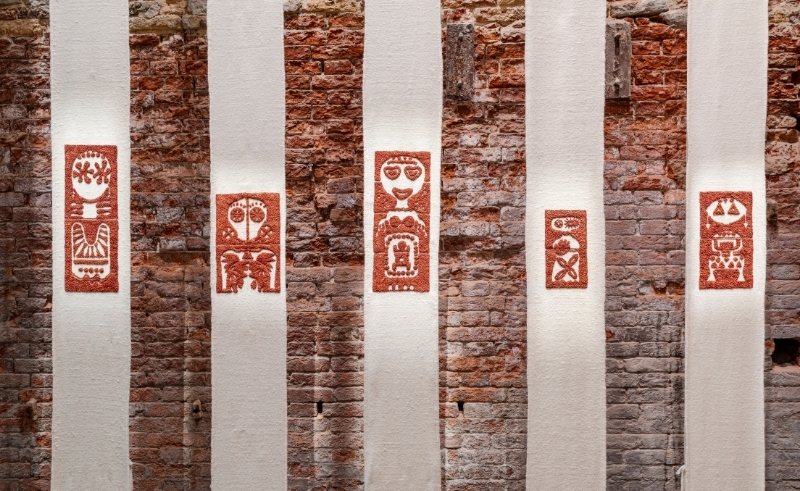 That collective dimension feels especially meaningful because these collaborations did not begin with Venice. They are the culmination of decades of relationships built through shared experimentation and mutual trust. Many of the artisans involved have worked with Agueznay before, helping push traditional techniques into new conceptual territory.
Women, in particular, form the backbone of the project. Many of the craft traditions represented in Asǝṭṭa are sustained through intergenerational networks of women, with skills passed from mother to daughter, hand to hand.
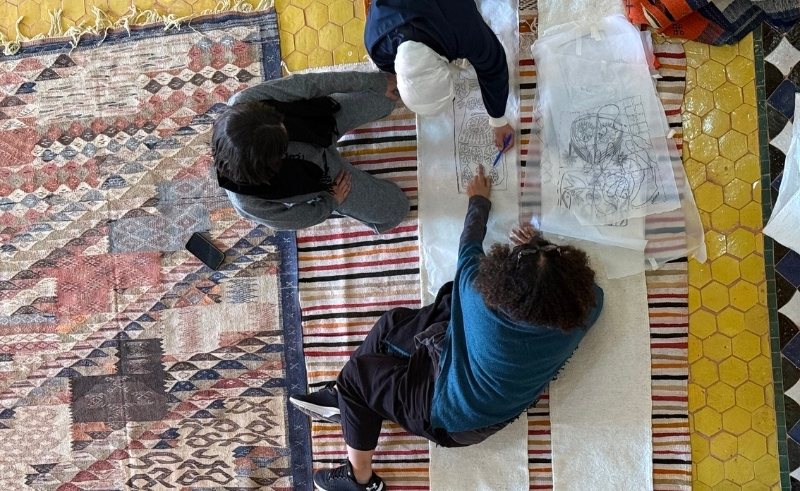 This emphasis on the transmission of knowledge and skill makes Asǝṭṭa especially resonant within the Biennale’s 2026 theme, In Minor Keys, curated by Koyo Kouoh. Rather than grand statements, the theme foregrounds subtle cultural narratives and often overlooked practices.
That feels true to Agueznay’s practice as a whole. Her work has never been about spectacle for its own sake. It has always been about what persists beneath the surface: gestures repeated over generations, knowledge stored in muscle memory, and stories woven into material itself.
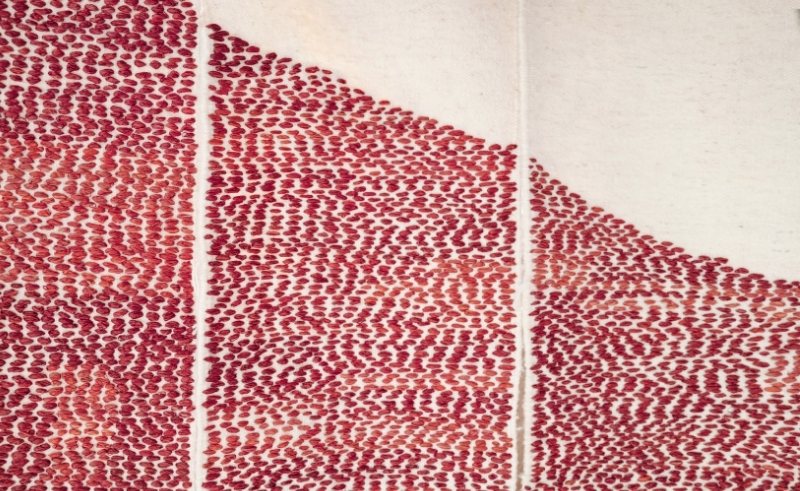 In Venice, those gestures become monumental. But even at this scale, they remain deeply human, intimate acts of making that remind us how culture survives: through touch, repetition, and the hands that carry it forward.
- Previous Article The Cairo Artist Whose Characters Followed Her Off The Page
- Next Article The Intricate Beauty of Ben Youssef Madrasa