

Yasmin Noureldin’s Home Holds Monochrome Living Beyond Monotone
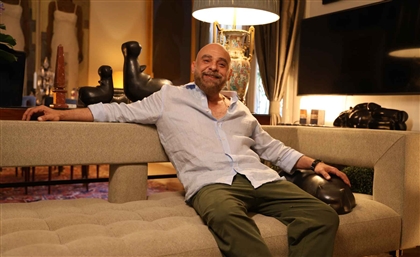
Yasmin Noureldin invites us inside her Cairo home, a space shaped by restraint, layered texture, and a quiet, considered approach to collecting.
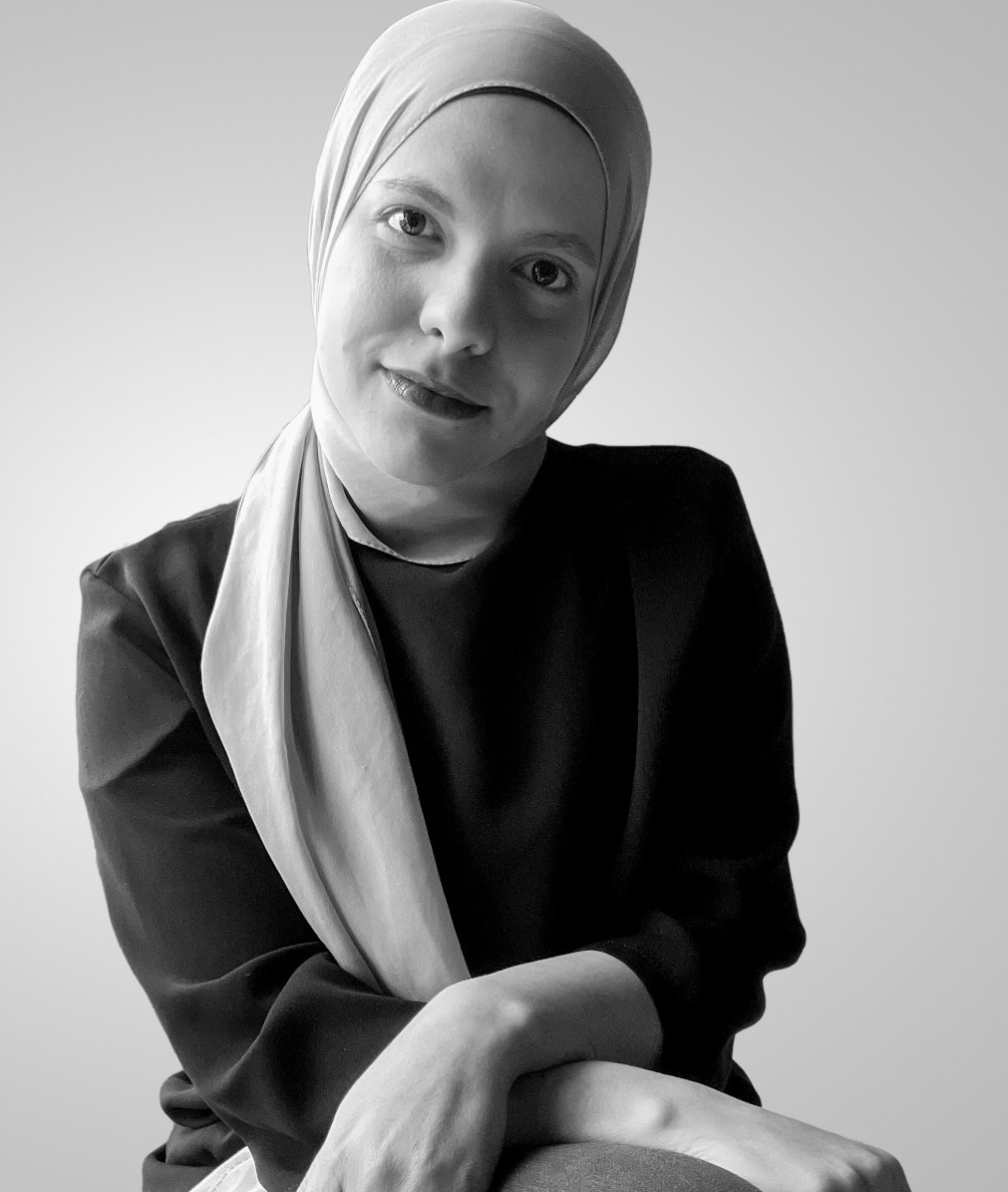
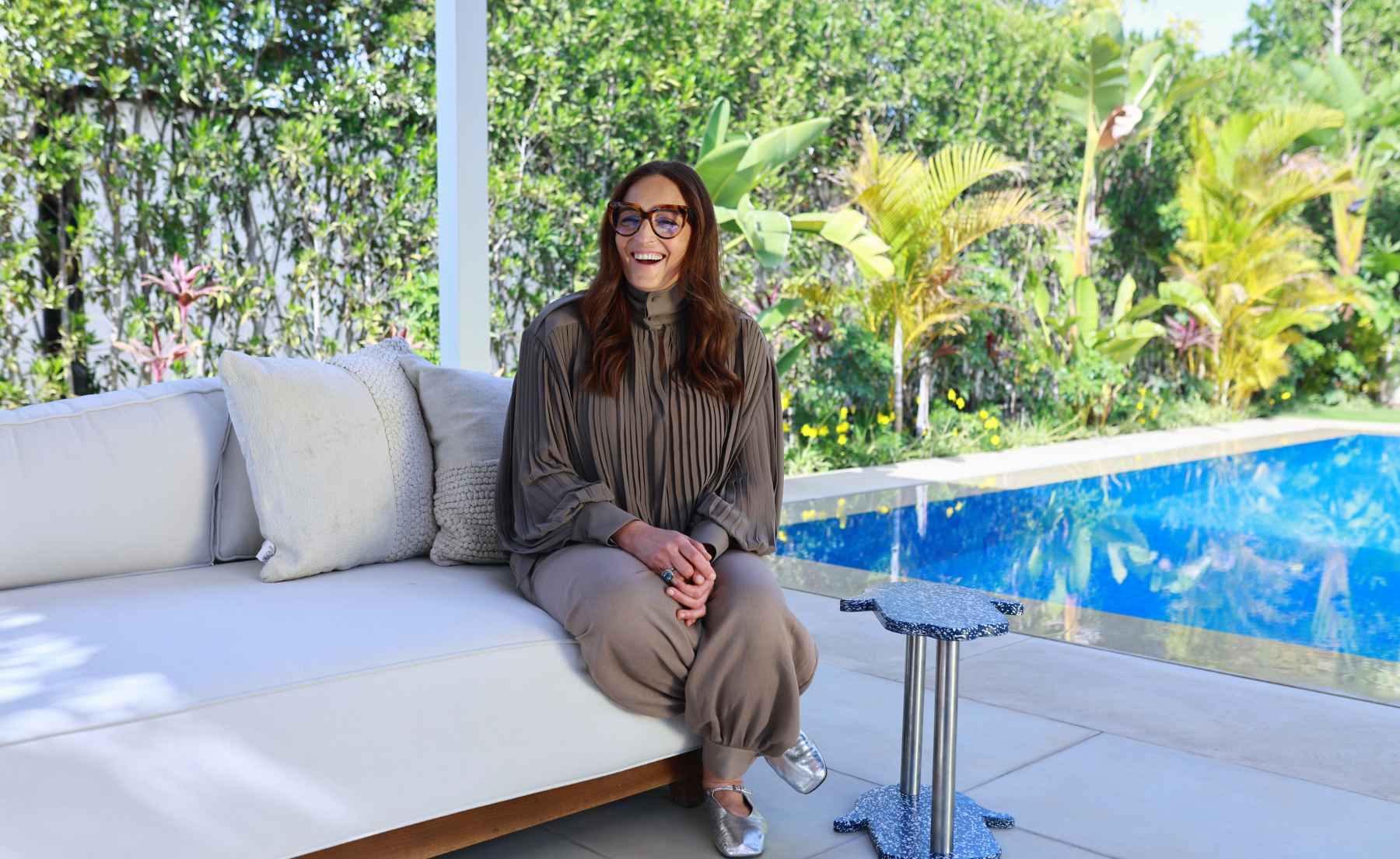
There’s a certain discipline to a home that stays within its lane. Here, the palette rarely strays beyond shades of beige and brown, but Yasmin Noureldin's character is unmistakable in every corner. Although she has lived and worked most of her life in the UAE, her Cairo home feels no less inhabited. As we walk in, we can tell how it is continuously curated and authored, layered with a sense of familiarity, warmth, and personal rhythm.
That authorship is very much shaped by her experiences. As we walk through the house with her, certain pieces pull us in, and we stop, pointing, asking. Each time, there is a story. Not in a performative way, but in the matter-of-fact way these things entered her life. A market stumbled upon, a studio visited, or a piece she gave a second life to instead of replacing it. Travel, for her, almost always leads somewhere off the obvious path. A quiet boutique clearing out its last pieces, a local shop with little buzz around it, places where objects sit without finding their way to anyone's Pinterest board. That is where she looks, to recognise when something is right.
Her restrained palette works like a blank page, steady and consistent, able to receive whatever piece speaks to her without resistance. What stays has already been weighed in terms of proportion, material, and tone. It is why the space holds together so naturally, and why her presence is felt without ever needing to be overstated.
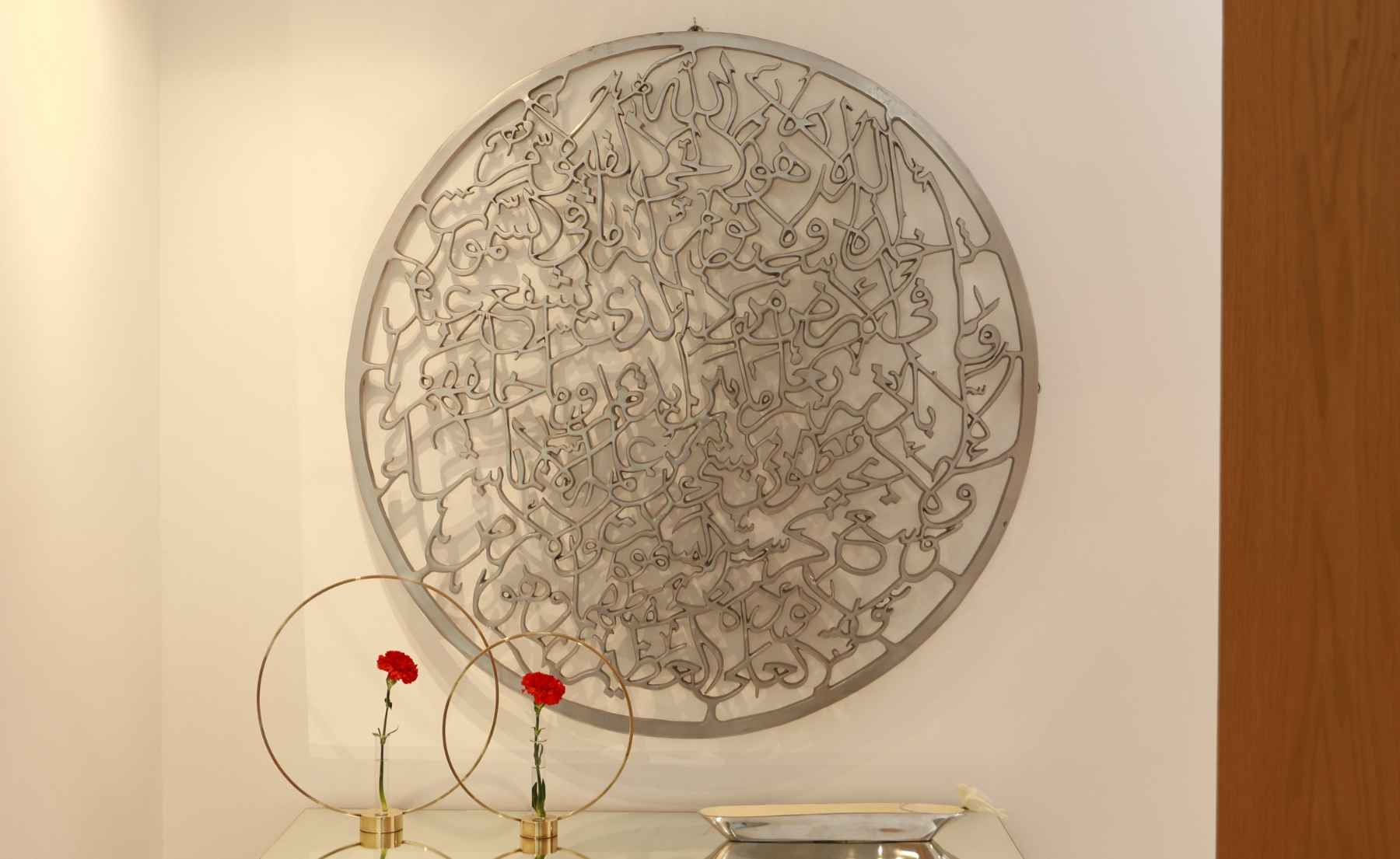
At the threshold, the tone is set early. An Ayet el-Korsi artwork anchors the entrance, a familiar constant Yasmin Noureldin carries from one home to another. Nearby, a restored sideboard - once broken, now reworked - signals a preference for continuity over replacement. “I like to give a second life to furniture,” she says, almost in passing, though it quietly frames much of what follows.
The architecture leans rigid, almost overly square. So she works against that condition with a clear, recurring language. As she points out the Ayet el-Korsi artwork, which reads almost like a circle, she explains that this is not an isolated choice. The circle is an element that returns throughout the house, in artworks, mirrors, and floor lamps.
“The space is very squarish, so I tried to add a bit of movement,” she says. And that movement is not decorative. It is structural in its intention. The repetition of curved forms introduces softness into a layout that is otherwise strict and angular. It interrupts the rigidity, creating a rhythm that guides the eye and shifts how the space is experienced as you move through it.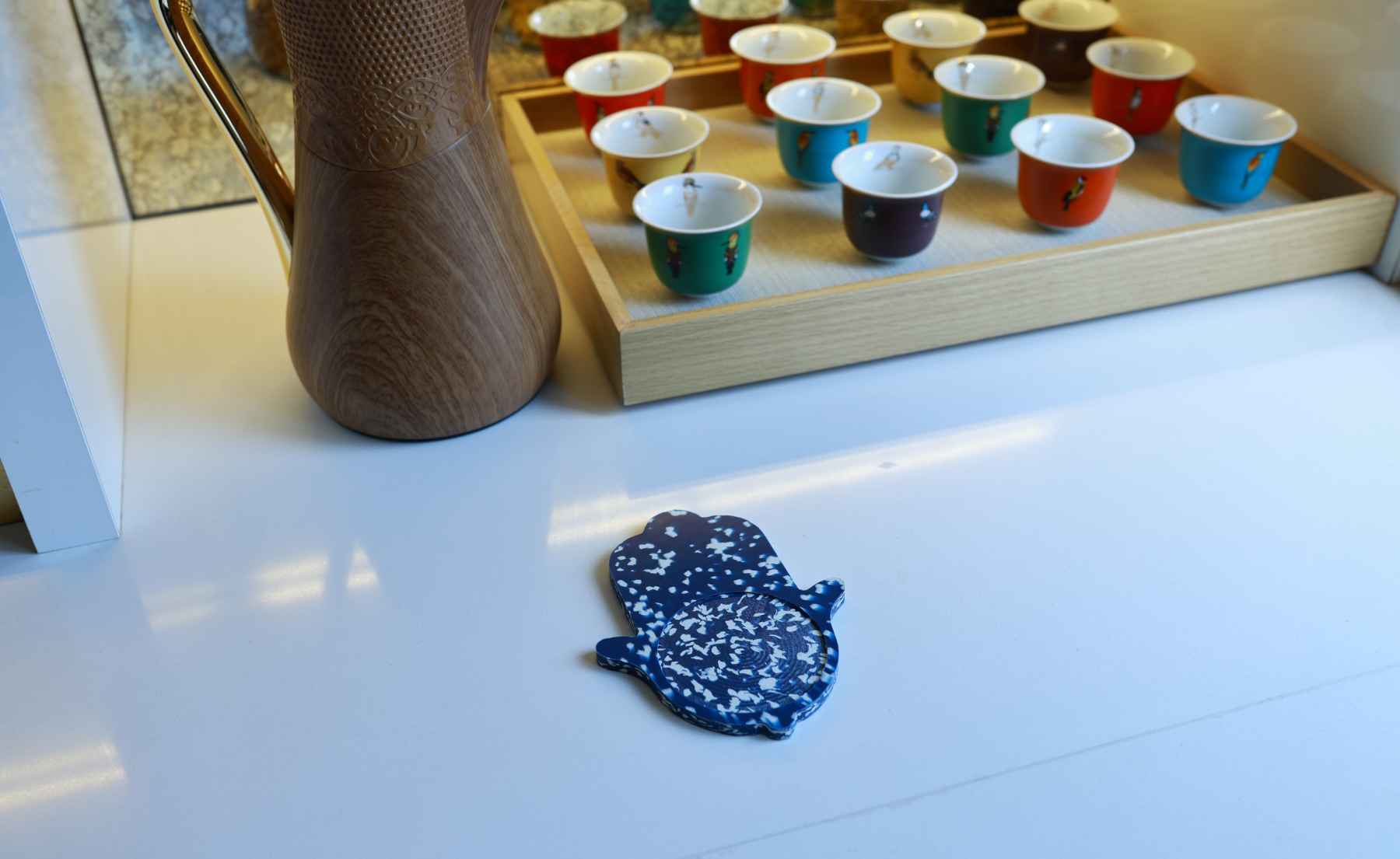
A partition separates the entrance from the living area, filtering the first view into the home rather than fully revealing it. It holds a quiet function - creating a shift between public and private - yet remains intentionally movable. The level of openness is never fixed, but adjusted depending on how the space is used. “It’s also a fun element to play with,” she says, referring to how it lets her control how much of the living area is visible from the entry.
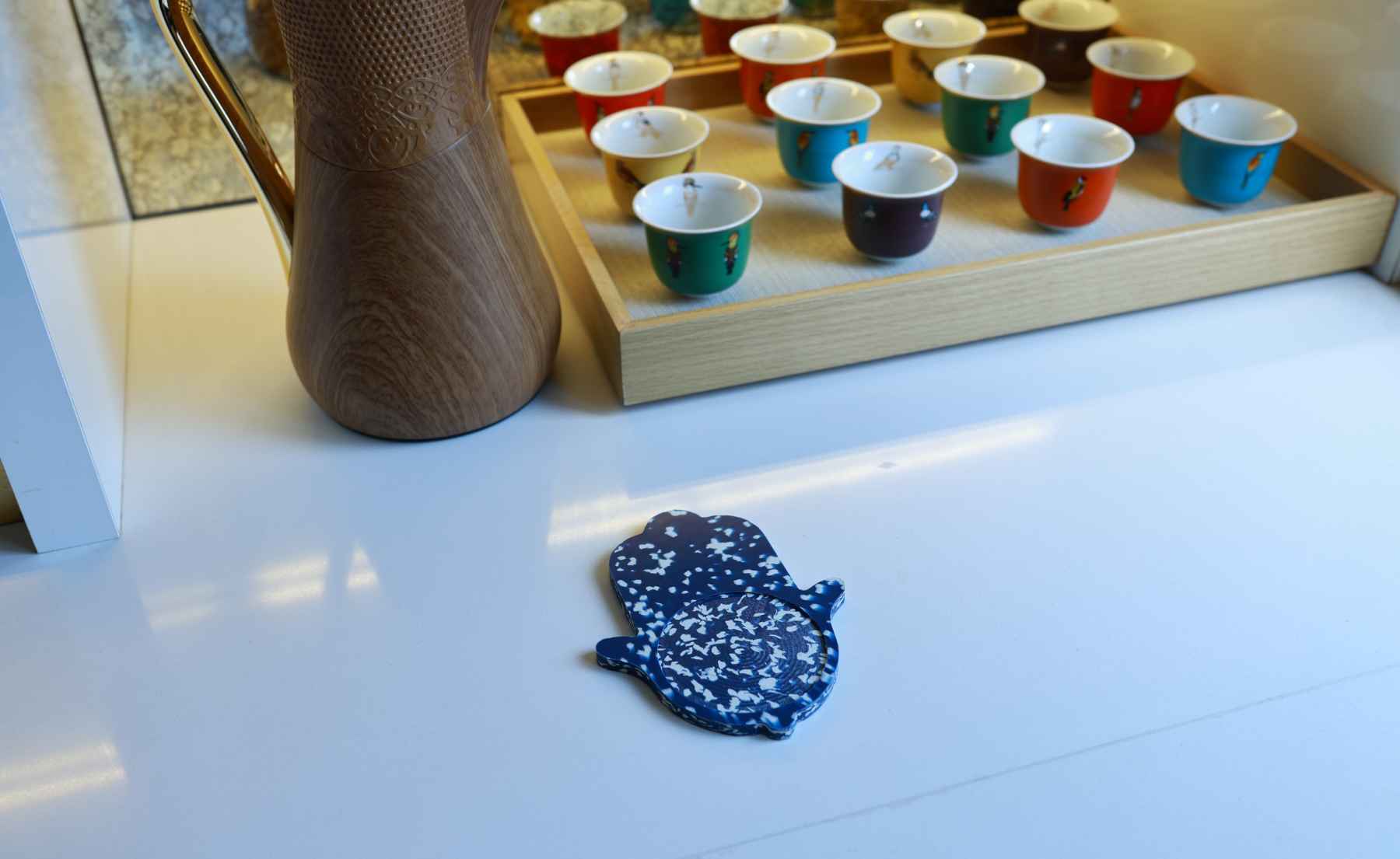
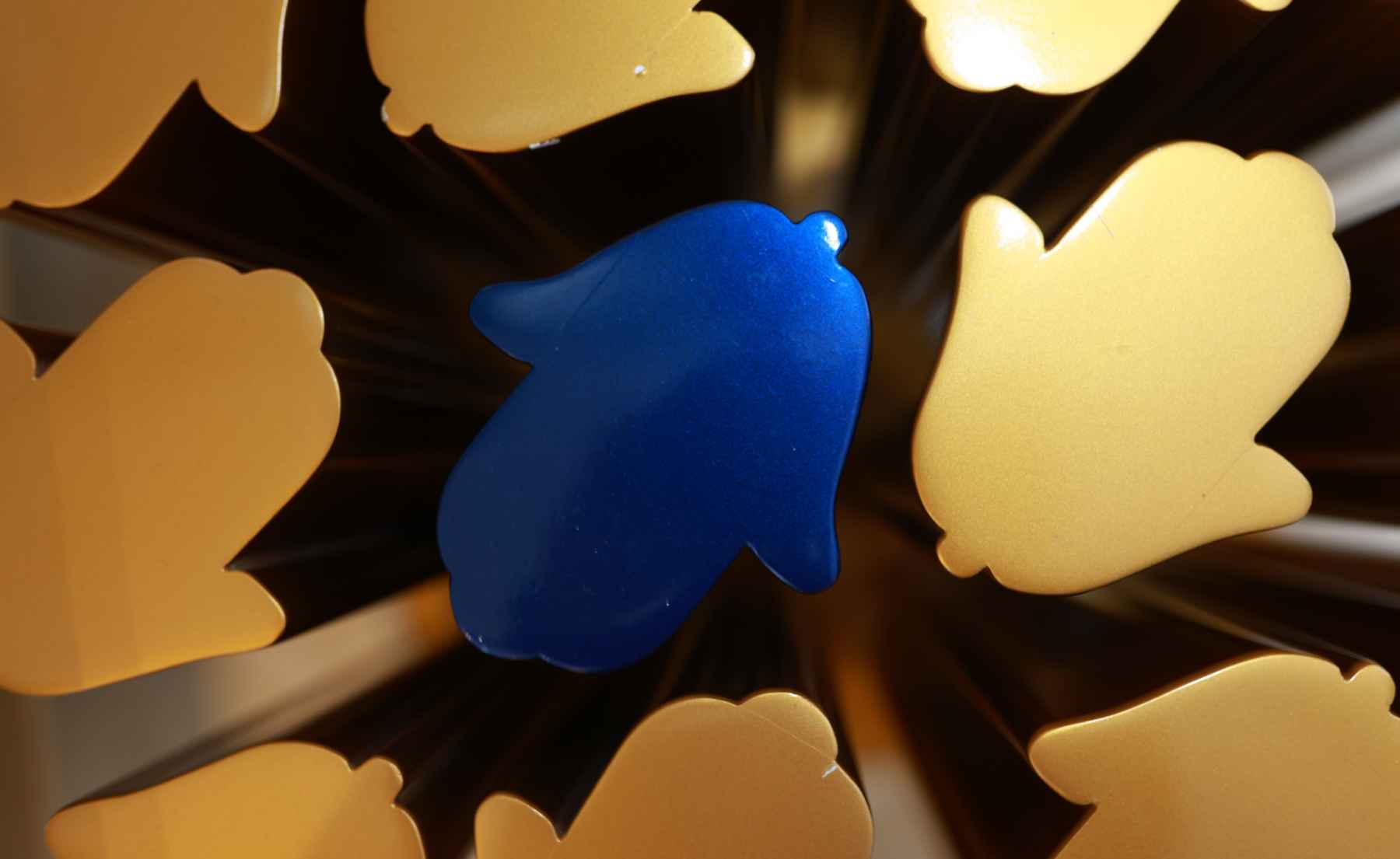
The seating arrangement turns inward. No focal point, no screen anchoring the room. Instead, the furniture gathers loosely. “I added an extra sofa to create a bigger circle where we can sit, talk, and entertain,” she explains. Objects enter in measured intervals. A 'Hand of Fatma' table called 'The Odd Piece' from her collection sits low, its surface reinterpreted through colour alone. “I focused only on changing the colour,” she notes, leaving the form’s symbolism untouched.
In the dining area, the sideboard holds a bolder visual language - metallic at first glance, but revealed as a composition of mirror and wood. Above it, the collection reflects the instinct shaped between Cairo and Dubai. “I’m always on the hunt for unique pieces,” she says. A 3D-printed vase sits against more traditional forms. Gold and silver coexist without hierarchy, while a reworked interpretation of a tajine sits comfortably among them - familiar in reference, unexpected in pairing.
A nearby corner reads like a pause within the plan. A Nada Debs ottoman, aged but intact. An onyx side table designed and produced locally. A pop of colour added with a Mai.T side table from recycled plastic, also in Yasmin's signature Hand of Fatma. Each object holds its own language, yet stays within the same tonal register.
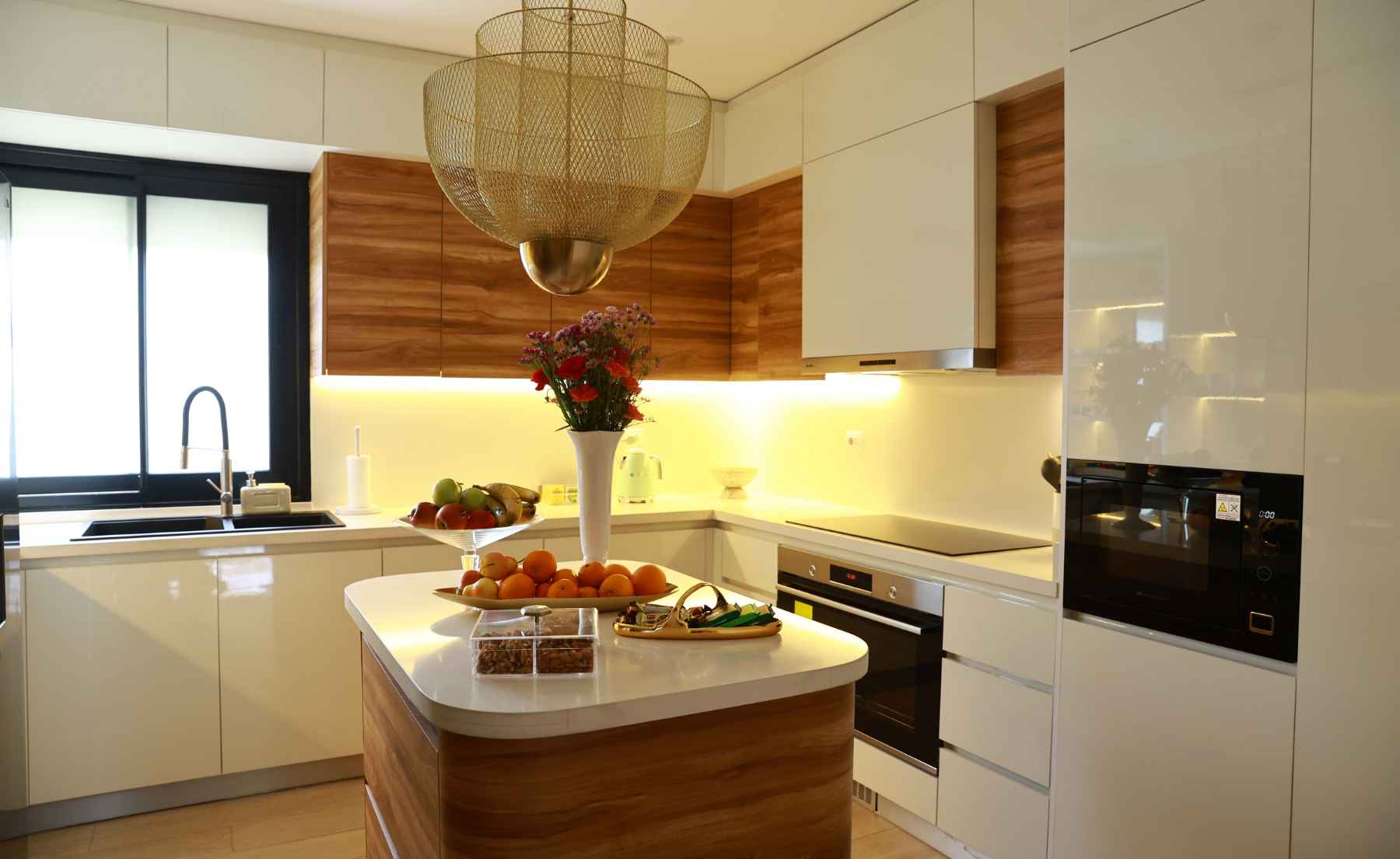
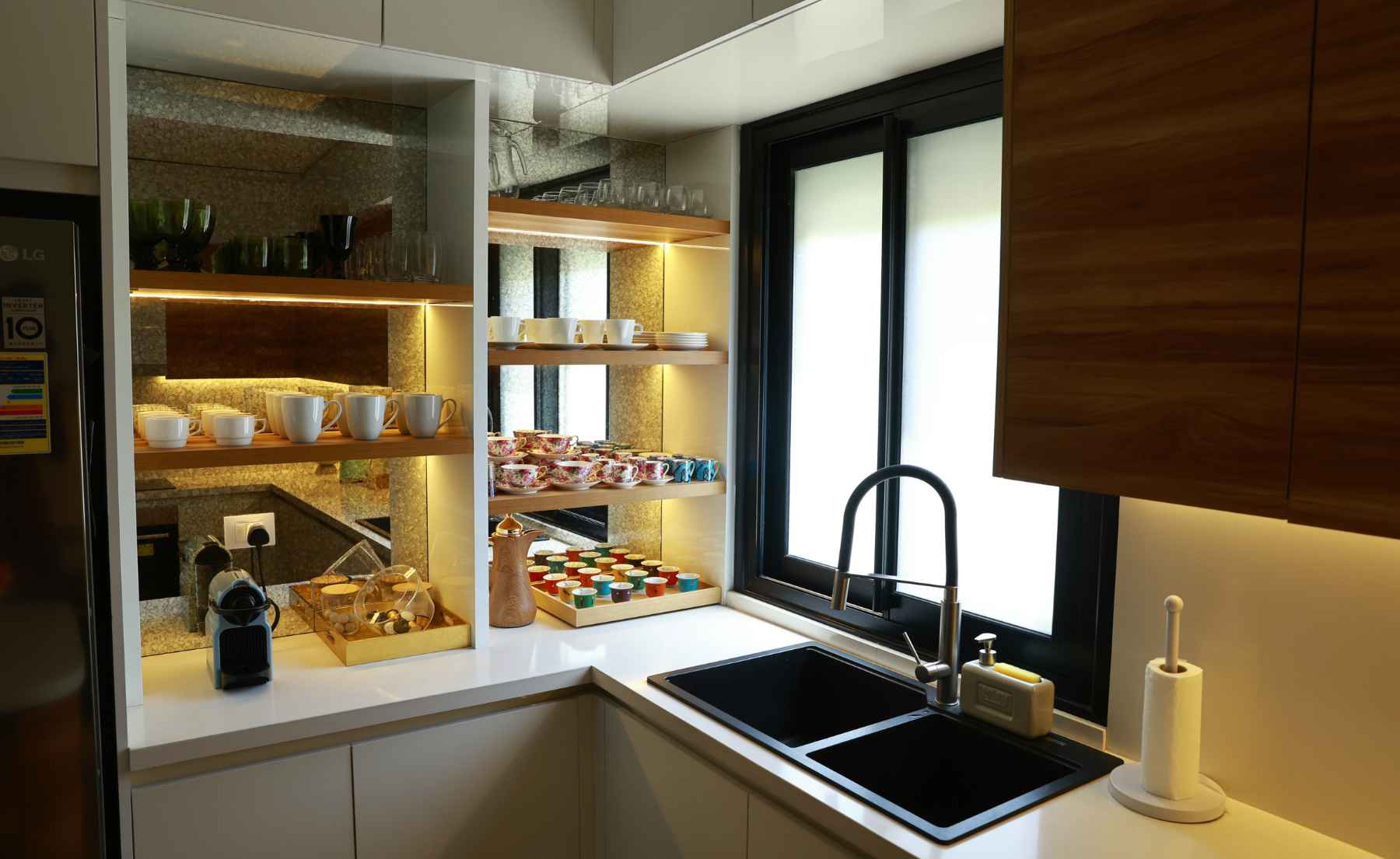
The kitchen continues the same discipline in light, neutral, pared-back tones. A chandelier marks the centre of the space, balanced by the island below it. “I usually prefer white kitchens and neutral tones. The pop of colour comes from food,” she says. Function carries the accent. Storage is treated as part of the composition. Glassware is kept in sight rather than hidden behind doors, and the antique mirror extends the room visually.
The powder room breaks the continuity in scale while keeping the same clarity of language. Compact, self-contained, and distinct in character. “Every bathroom in the house should have its own style and identity,” she says. There is no mirror by choice. “People get distracted. Just wash your hands and go,” she adds, laughing.
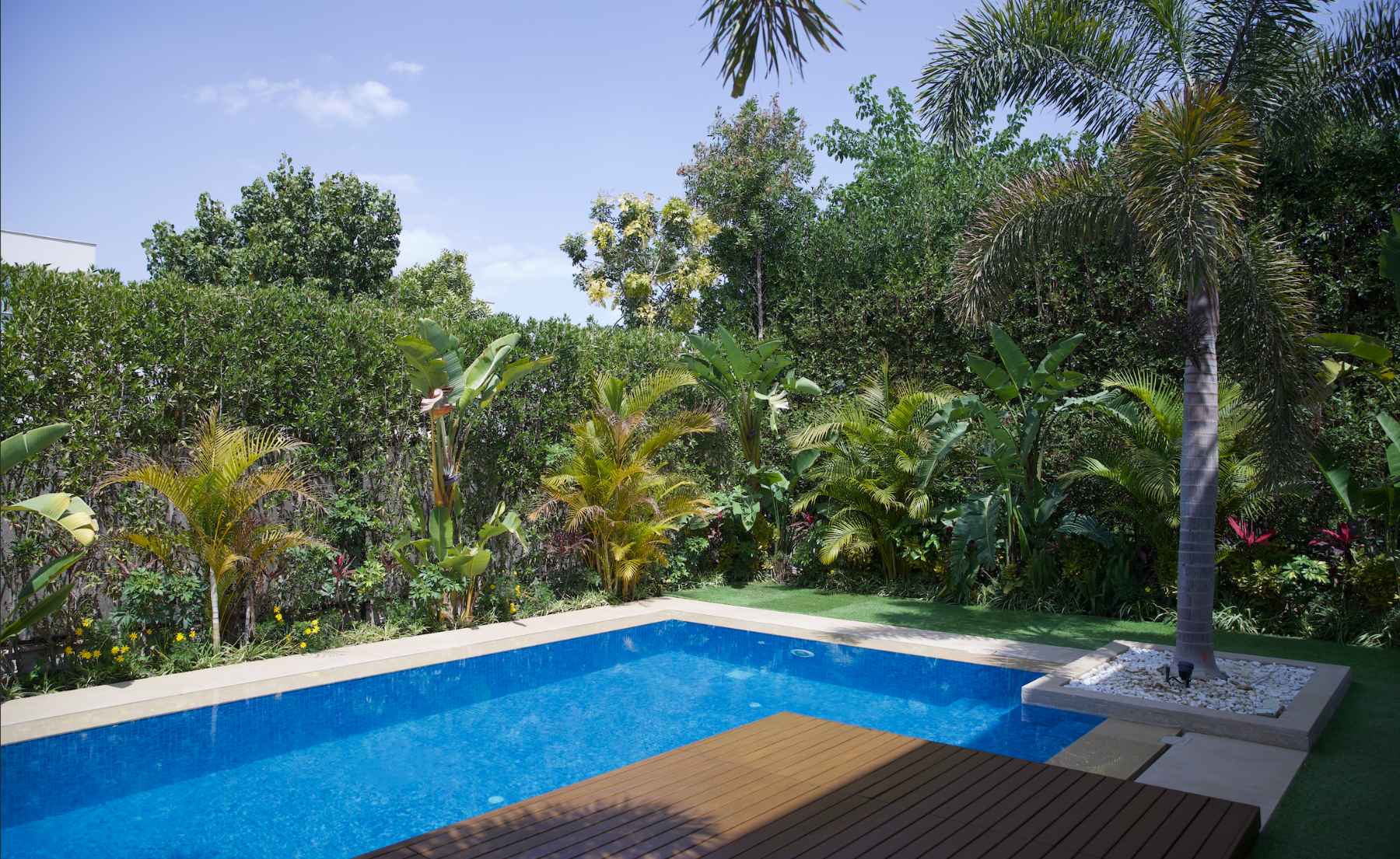
Beyond the interior, the house opens into a slower rhythm. The garden extends the layout outward, with the pool framed by foxtail palms and layered with Erica and banana leaf trees. The structure becomes looser without losing the same calm personality. At its centre stands an olive tree older than the house itself. “I think it’s around 25 years old,” she says. It is kept as it is, unstyled and unframed. “We leave it for the next people, the next generation.” A sense of continuity and blessing, carried forward.
- Previous Article El Gouna Fast-Tracks Town Building With a One Year Delivery Model
- Next Article The Ancestral Resilience of Omar El Farouk’s Fayoum Home