

The Mudbrick Cities of the Middle East
From Morocco to Oman, these ancient cities have been baking in the sun for centuries, sprouting unique cultures in the desert.

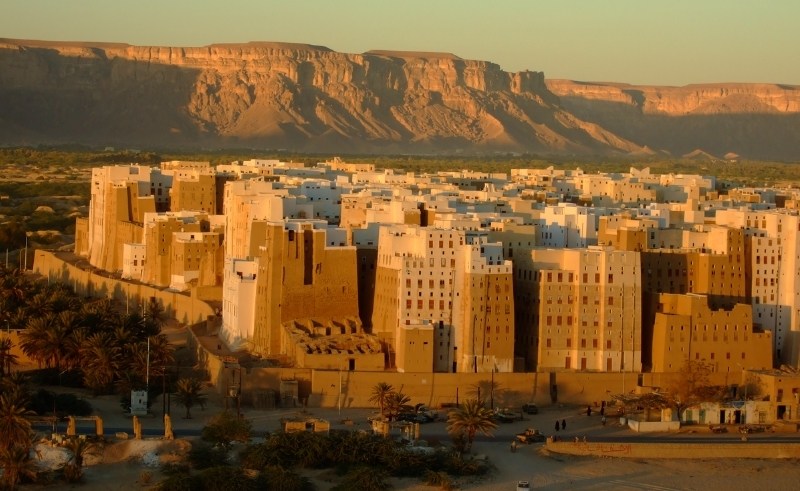
By their nature, mudbrick cities are preserved in time. As the centuries pass, the moisture content within the mud dries up, hardening the clay and strengthening the structures as local cultures and societies flourish around them. But their allure is not just in their history; no other settlements can be felt, smelled, touched and, if you’re really going there, tasted, as much as these cities of earth.
In the Middle East, mudbrick cities have flourished since time immemorial due to the dry climate and lack of available timber for building. From ancient Egyptian temples situated within Amazigh forts to mountainous fruit terraces in Oman, these mudbrick cities are off the beaten path, and well worth their own visits...
Misfat Al Abriyeen – Oman
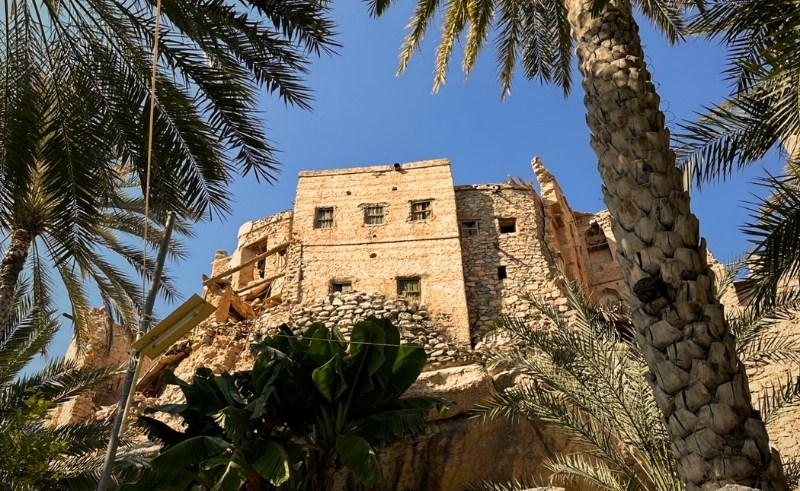
The 500-year-old Misfat Al Abriyeen village in the mountains of northeastern Oman is home to terraces of fruit trees and an ancient, gravity-driven irrigation system older than the village itself. Here, high in the mountains, the community of Misfat have converted many of their homes into guesthouses for visitors looking to explore its heritage or patronize local artisans selling mountain honey, pottery, and woven mats.
Navigable only on foot, this village forces you to ditch the modern four-wheeled luxury that is cars and explore its narrow alleys and family-run shops on foot (or perhaps bicycle).
Aït Benhaddou – Morocco
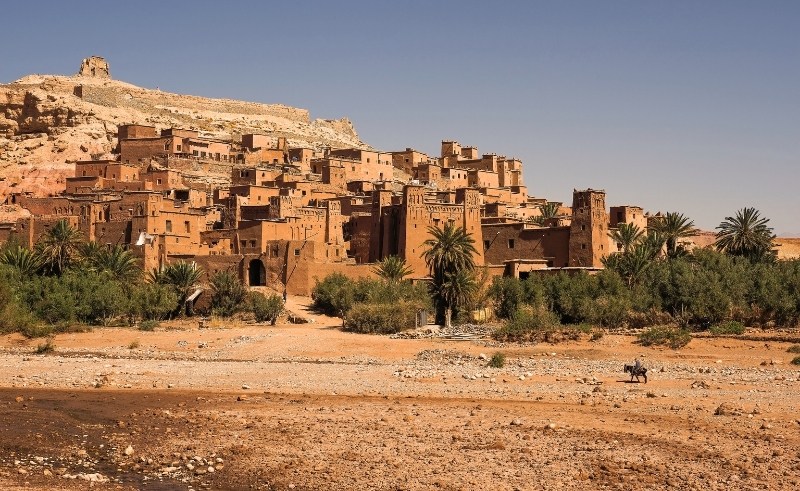
Located on a former caravan route bringing merchants from across the Sahara through Marrakesh, Aït Benhaddou dates back to the 11th century Almoravid period and has been a UNESCO World Heritage Site since 1987.
At the heart of Aït Benhaddou is the ksar, a group of earthen buildings surrounded by high defensive walls. Located in the foothills of the High Atlas mountains, the ksar of Aït Benhaddou stands today as a stunning example of southern Moroccan architecture.
Ushaiger – Saudi Arabia
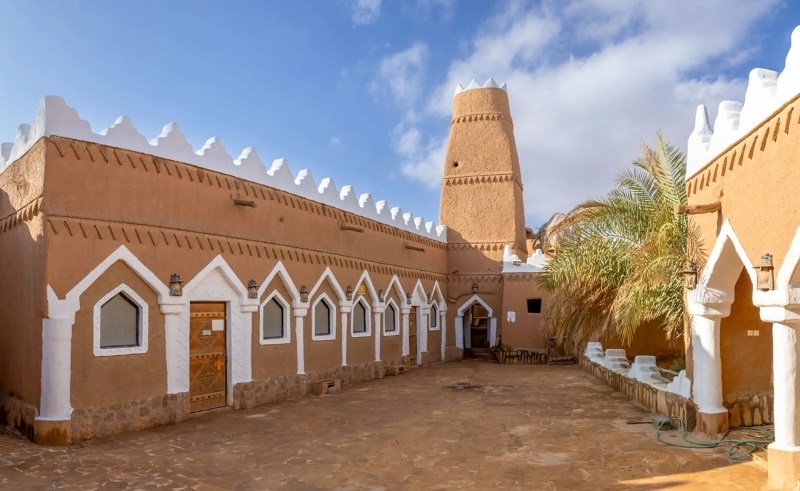
Once a stopping point for Hajj pilgrims on their way to Mecca from Iraq, Iran and Kuwait, Ushaiger in Saudi Arabia’s Najd region is a red-tinted village whose name means ‘the little blonde’. Surrounded by lush palm groves, many of the mudbrick structures in this sprawling labyrinth remain well preserved, and a museum has been created by the village’s inhabitants to display Ushaiger’s oldest artefacts and relics.
Due to the role its community played in its revitalisation, Ushaiger stands not only as an example of traditional Najdi architecture but also as a case study of how a local community can revitalise their village through heritage preservation.
Bahla Fort – Oman
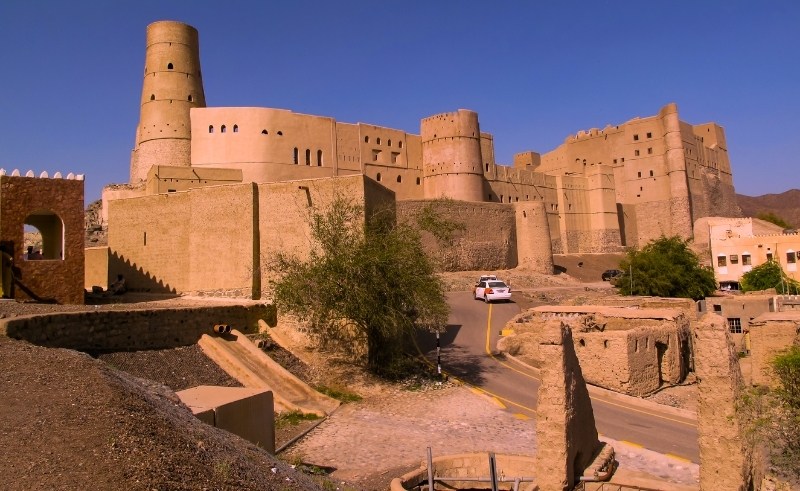
Steeped in myths and folklore, Oman’s Bahla Fort was built over 700 years ago and encompasses mudbrick houses as well as a Friday mosque. According to legend, Bahla Fort was constructed overnight with the help of djinn, after the local ruler was threatened by an attack from a neighbouring kingdom. Regardless of whether it was built overnight or over decades, the end result is an imposing structure that has stood the test of time.
Located 200km from the capital of Muscat, Bahla Fort was Oman’s first UNESCO-listed fort when it was designated in 1987.
Shibam – Yemen
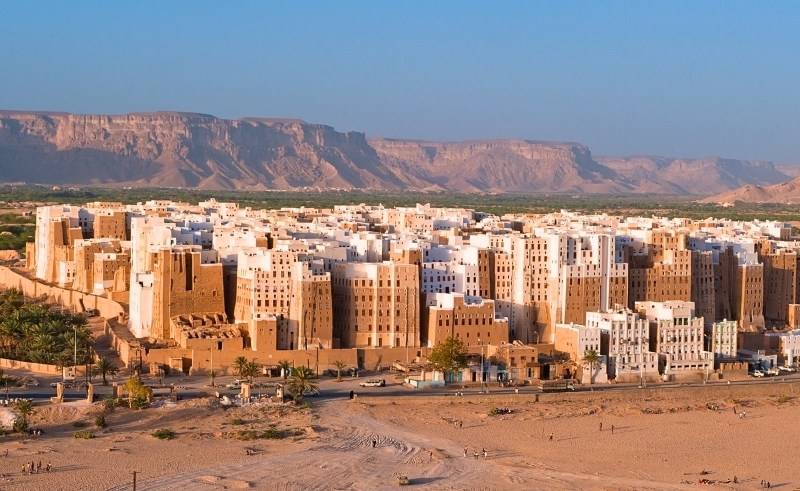
Shibam is an ancient skyscraper city made of mudbrick in Yemen’s Wadi Hadramaut. Founded in the third century, this UNESCO World Heritage site is home to roughly 500 connected buildings, some of which are as tall as 11 storeys. At the heart of the city sits the Great Mosque of Shibam, which was originally constructed in 753 and which now bears signs of additional construction running through the Abbasid era and into as far as the 14th century.
Against the backdrop of the Hadramaut mountains, life in Shibam for its 7,000 inhabitants is a continuing testament to the country’s enduring spirit despite hardship.
AlUla – Saudi Arabia
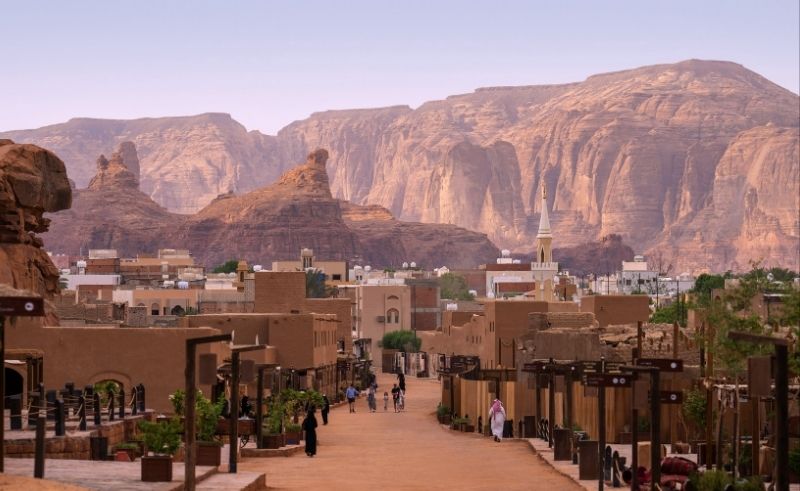
AlUla, the ancient oasis city in Saudi’s Medina province, was an essential stop along the incense trade route between India and Europe in the medieval Islamic period. With sites dating back 7,000 years in its surrounding vicinity, the civilization that took route in AlUla was primarily an agricultural one, and this remains evident today. Home to over 200,000 citrus trees and two million date palm trees, AlUla is a garden eden in the heart of Arabia.
Besides year-round cultural activities, festivals and souqs, AlUla also boasts high-end eco-resorts for travellers looking for a more luxurious stay.
Siwa – Egypt
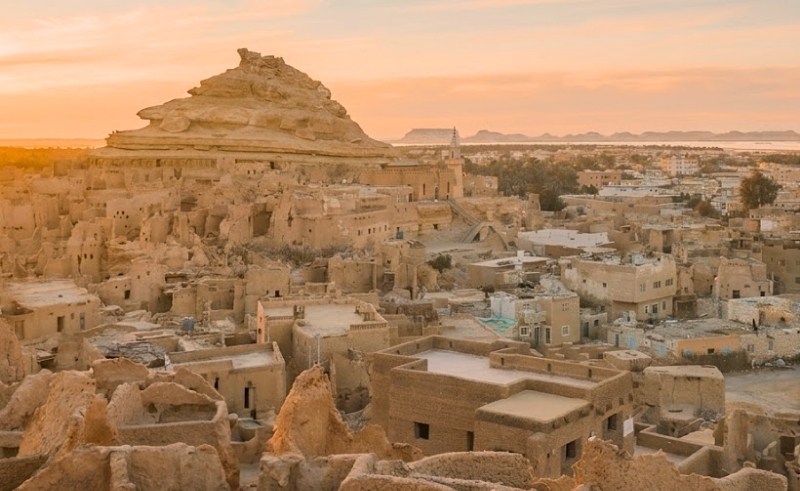
In Egypt’s western desert lies the fabled oasis of Siwa, where Alexander the Great sought his divinity at the Oracle of Amun. In the time since, the oasis has become the heartland of Egypt’s Amazigh community, who traditionally resided within fortified mudbrick shalis. Siwa’s main shali, which sits at the heart of the town, was a complete village enclosed within a five-storey structure that includes within its walls the Temple of Amun, where Alexander the Great stepped foot more than 2,000 years ago.
Beyond the shali, Siwa is home to turquoise blue salt lakes where visitors can effortlessly float and soak in its healing waters, and is a popular destination for sandboarding, stargazing and natural hot springs.
- Previous Article Kahhal Looms & Shosha Kamal Weave Ramses II's Victories Into Rugs
- Next Article The Abandoned Architecture of Villa Badran by Gamal Bakry