

Badih Ghanem's Remember Love? Explores Memory Through Objects
Memory lives on through the objects that carry it. Ordinary things become lasting reminders of Beirut's past in Lebanese-French designer Badih Ghanem's debut collection, Remember Love?
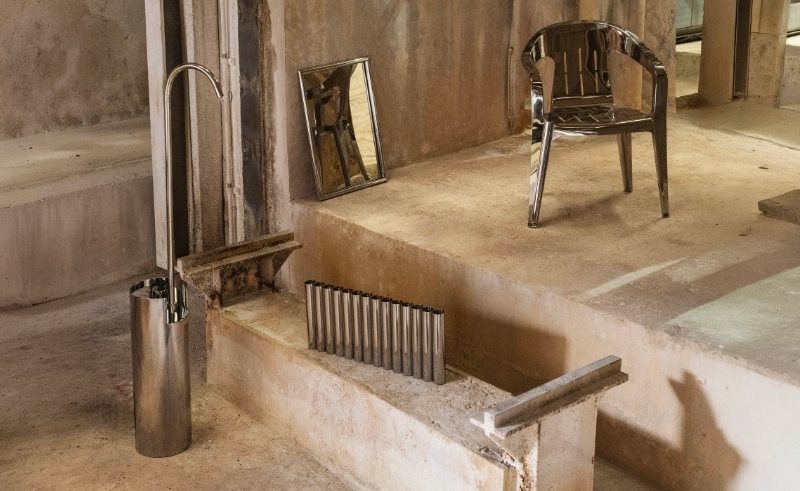
Some of Beirut's most enduring memories live in the objects its residents pass every day: the plastic chair left out on the street, the gas lamp that once lit nights without electricity, the unfinished concrete blocks that became part of the city's skyline, and the grain silos that changed it forever.
Lebanese-French architect Badih Ghanem has turned each of these familiar forms into sculpture in his debut collectible design collection, Remember Love?, shown at Milan Design Week 2025.
The collection traces how memory settles into everyday life through the ordinary objects that quietly carry it forward.
"It's not about resilience, heartbreak or depression, it's just memories, happy or sad ones," he says. "Things that we learn to live with and that are part of our everyday lives and history."
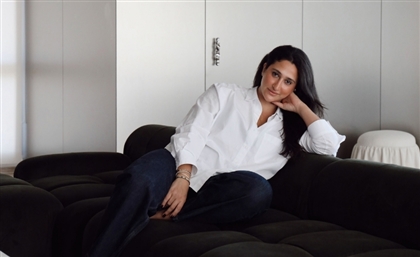
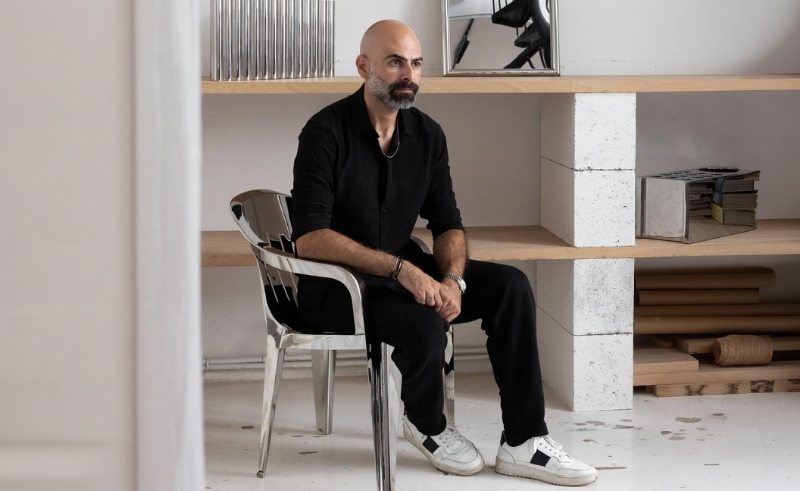
Born in Beirut and now based in Paris, Ghanem has spent nearly two decades working across architecture and urban design, moving between homes, interiors and projects at the scale of the city.
Over time his practice grew more and more interested in stripping forms back to what is essential, where proportion, material and presence carry the weight that ornament might elsewhere.
That thinking led to a parallel curiosity about objects and how they work at a smaller scale, where space is compressed into material and touch.
"To reduce an object to its simplest form is the most powerful, because you're not confused by all the information, you're focused on the object and the materiality of it," he says.
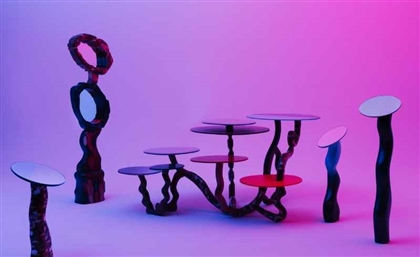
Remember Love? is built entirely in polished stainless steel. Ghanem describes the material as almost unavoidable once the idea took shape, a departure from his usual pull toward matte, raw finishes.
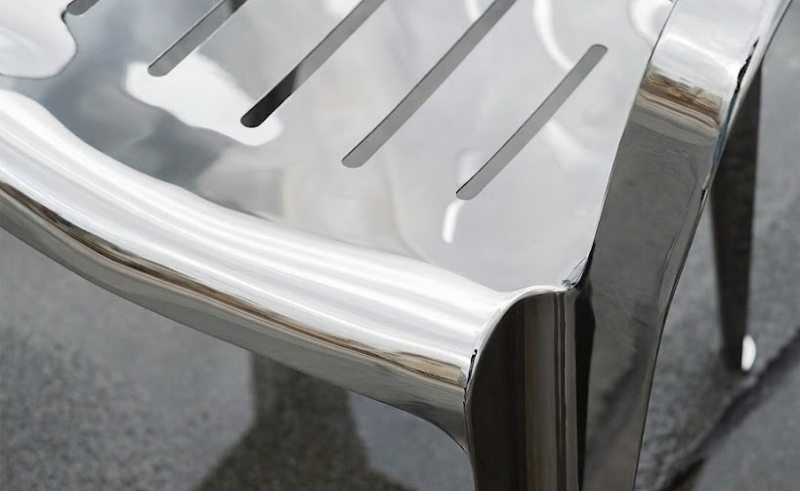
For him, polished stainless steel carries several layers of meaning. It recalls Lebanon's visual landscape in the 1970s, a decade he associates with the start of prolonged instability. Its reflective surface becomes part of the work, and its tendency to scratch records the passage of time and use.
"When you polish the stainless steel, it scratches easily, it's a very tough material but it scratches," he says, connecting that to the way everyday surfaces gather marks over the years. The reflection itself becomes part of the object's purpose, pulling the viewer in as an active presence.
"When you see yourself, you're participating, it's like questioning yourself," he added.
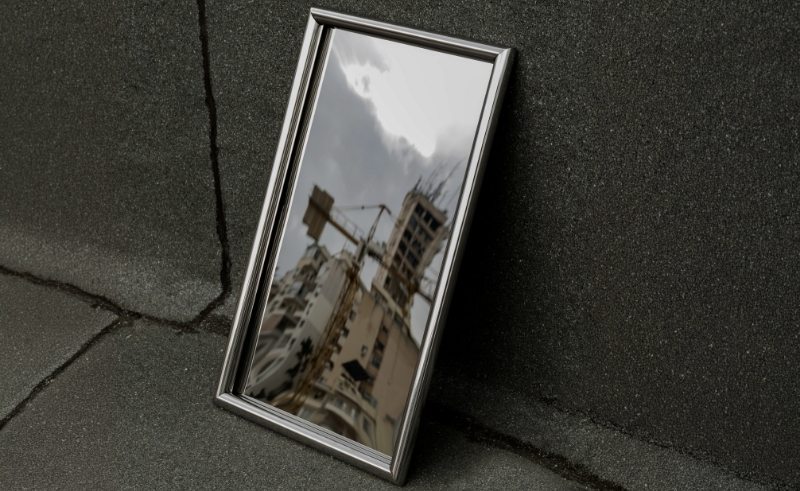
The Mirror, made from a single sheet of polished stainless steel, gives back an imperfect reflection shaped by the material's own properties, with slight warping and movement changing what you see.
The surface never sits perfectly flat, quietly distorting your image and turning self-recognition into an act of reflection.
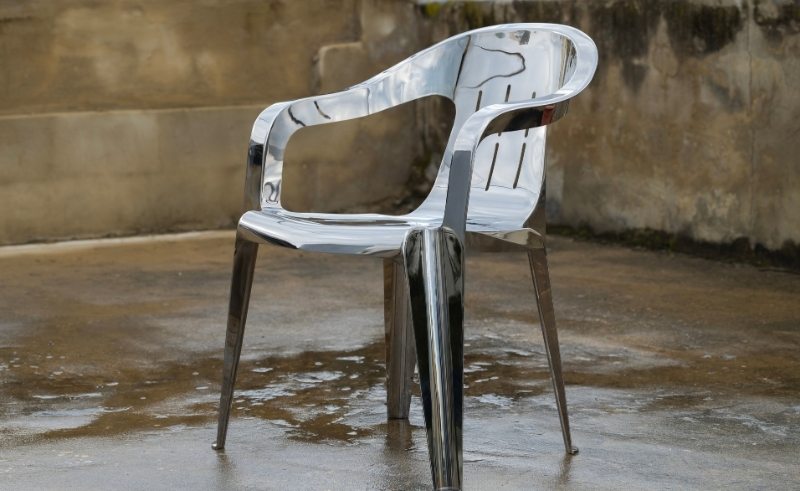
The Monobloc Chair reworks one of the most common objects in Lebanese homes, cafés and streets. Its original proportions are kept and translated into polished stainless steel, letting familiarity itself shape how the piece feels.
At Milan Design Week 2025, it reached well beyond its local context. "People from China or the US came to me and said: this is my grandmother's chair," Ghanem recalls, a response that showed how closely the object maps onto shared domestic memory across cultures.
The Lux Lamp reimagines the gas-powered lighting Lebanese families leaned on during power cuts. In stainless steel, it recalls a time when households slept beside open flames without fully grasping the danger. Ghanem calls it "an electrical revenge," pointing to the charged feeling wrapped up in that memory.
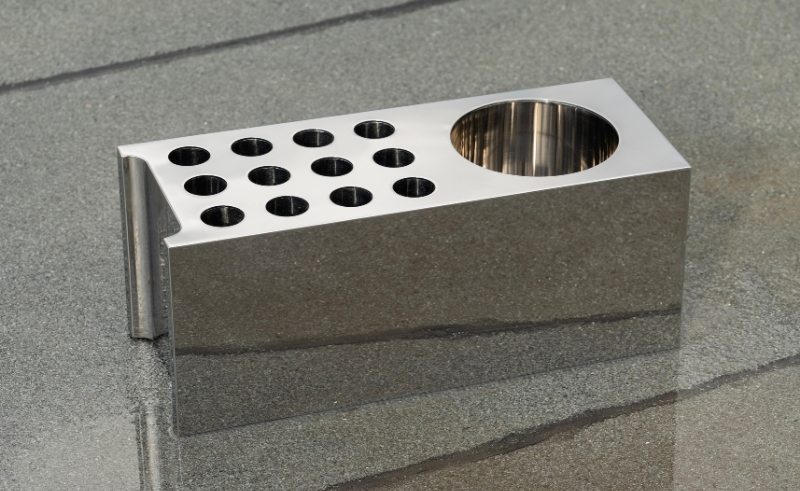
The Silo Vase / Candle Holder is based on a precise 1:200 architectural model of the Beirut grain silos, damaged in the 2020 port explosion. Made to work as both vase and candle holder, it turns small daily rituals into acts of remembrance, asking its owner to think of those lost in the blast each time it is used.
The Brick references the exposed concrete blocks that spread across Beirut during its post-war reconstruction, when unfinished structures became a visible part of the changing city.
Cast in stainless steel at real scale, it lifts a familiar building element into a sculptural object. Ghanem describes it as his own reading of that period.
"You don't have to be ashamed, you rebuilt your city, you can rebuild yourself."
For Badih Ghanem, these objects have always carried stories. His work simply asks us to notice them again.