An AI Trip Around the World of Architects Through Cairo’s Opera House
Exploring the line between inspiration and imitation, this visual experiment asks whether AI can interpret the thinking behind architectural movements or simply reproduce their recognisable forms.
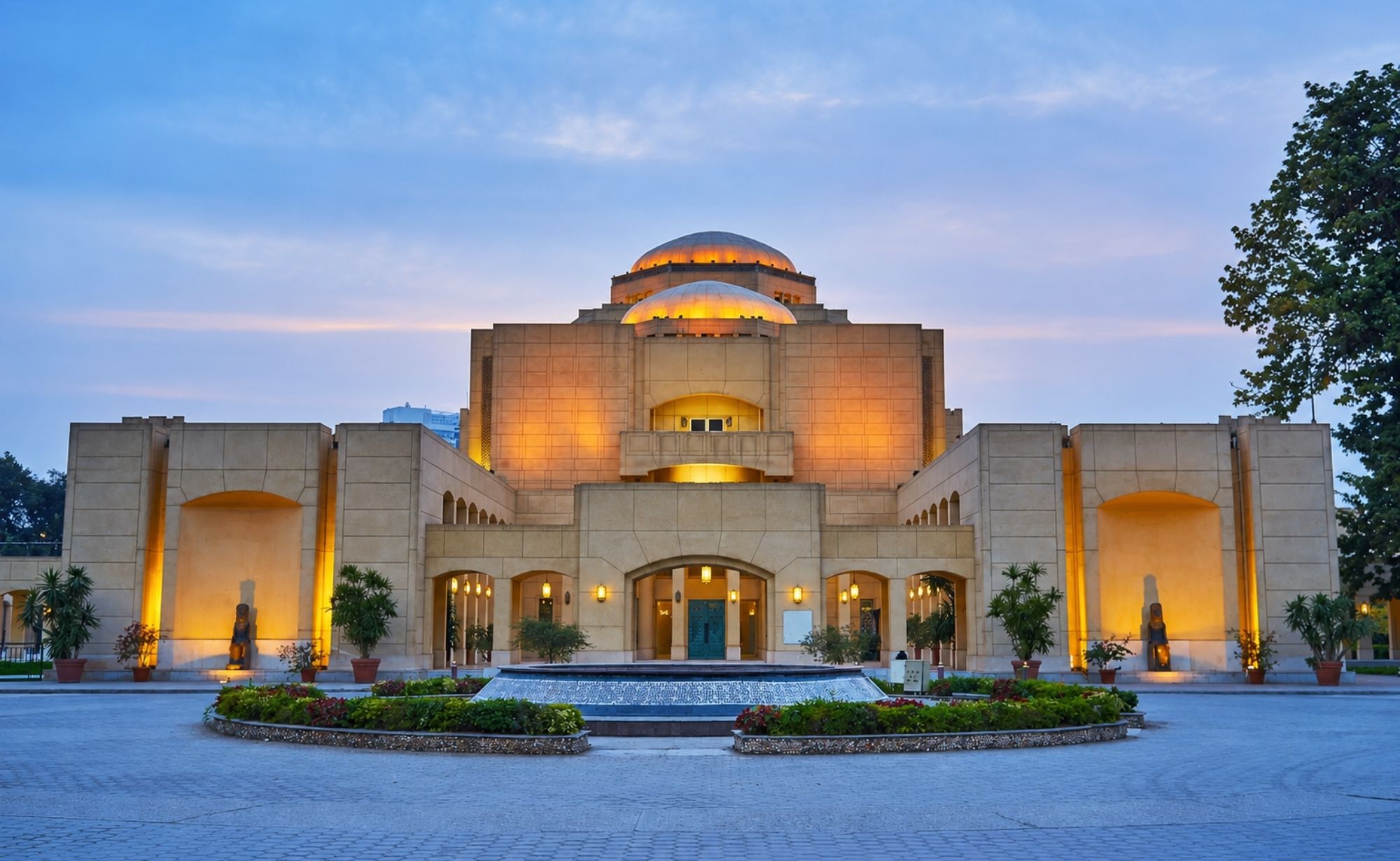
We asked AI to take us on a journey through the minds of some of the world’s most distinctive architects, placing Cairo’s Opera House within a series of speculative “what ifs”. The experiment explores how different architectural visions might have shaped one of Cairo’s most recognisable cultural stages, while also questioning what it truly means to reinterpret an architectural language: does AI understand the context, history and cultural nuances behind a style, or does it simply replicate its visual vocabulary?
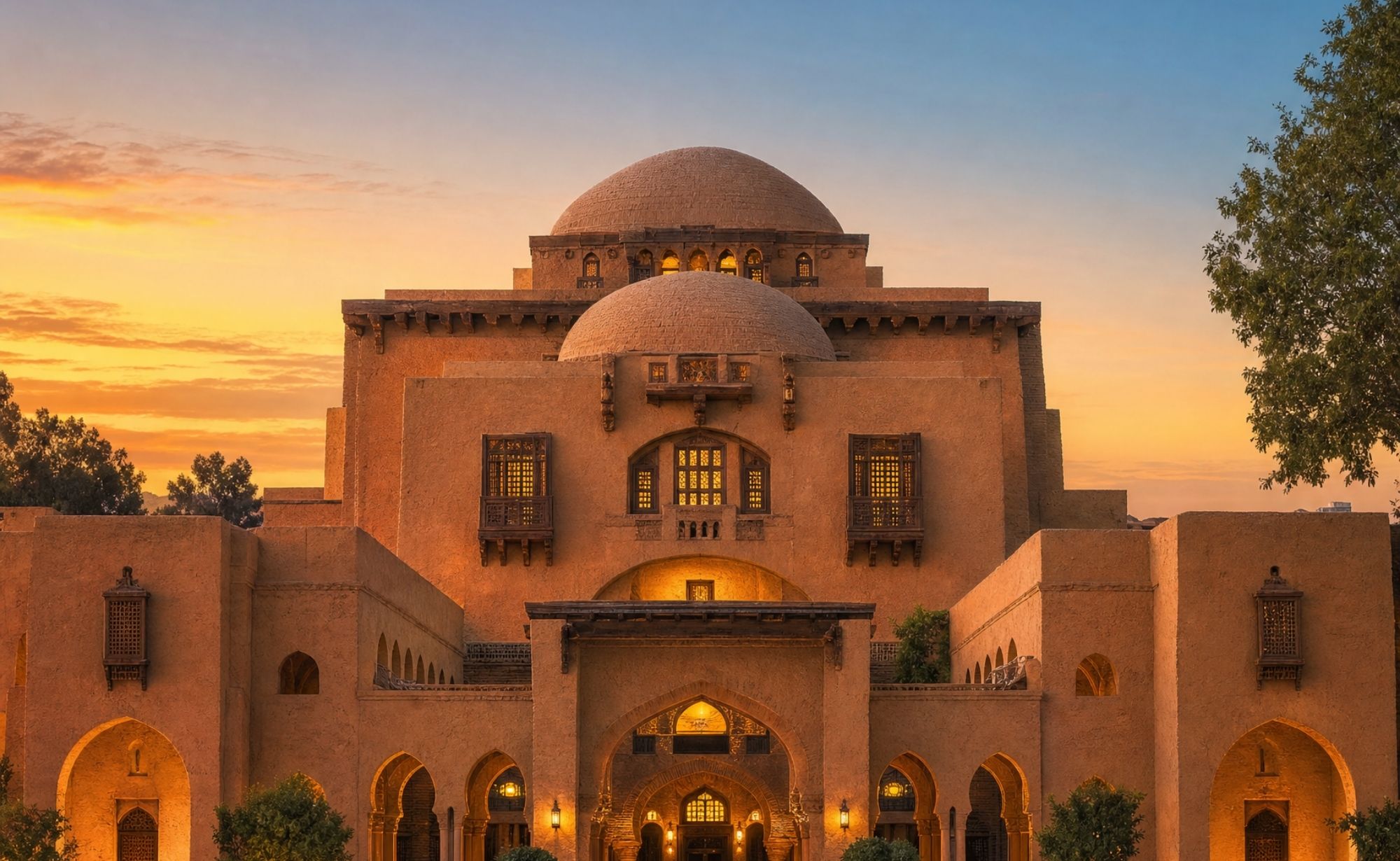
Hassan Fathy
The pioneer of Egyptian vernacular architecture would have brought the Cairo Opera House back to its roots, with earthy materials, handcrafted details and climate-conscious forms.
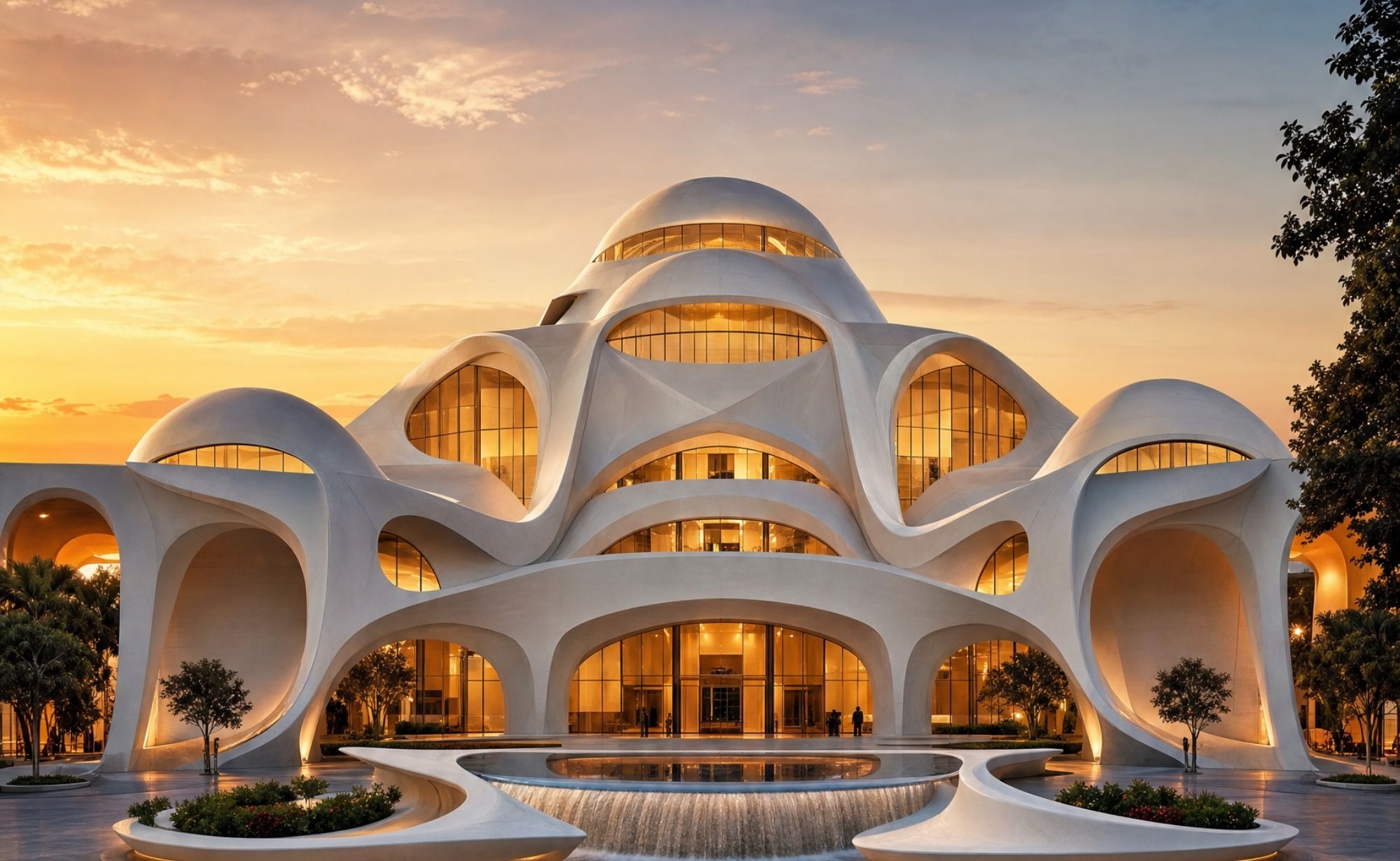
Zaha Hadid
No one played with parametric design and fluid forms quite like Zaha Hadid. The Cairo Opera House would have become a dynamic sculptural landscape, echoing the soprano notes.
Rifat Chadirji
The father of modern Iraqi architecture would not have strayed far from the postmodern Cairo Opera House we all know, but one can imagine him pushing its scale, geometries and arches into a more monumental expression.
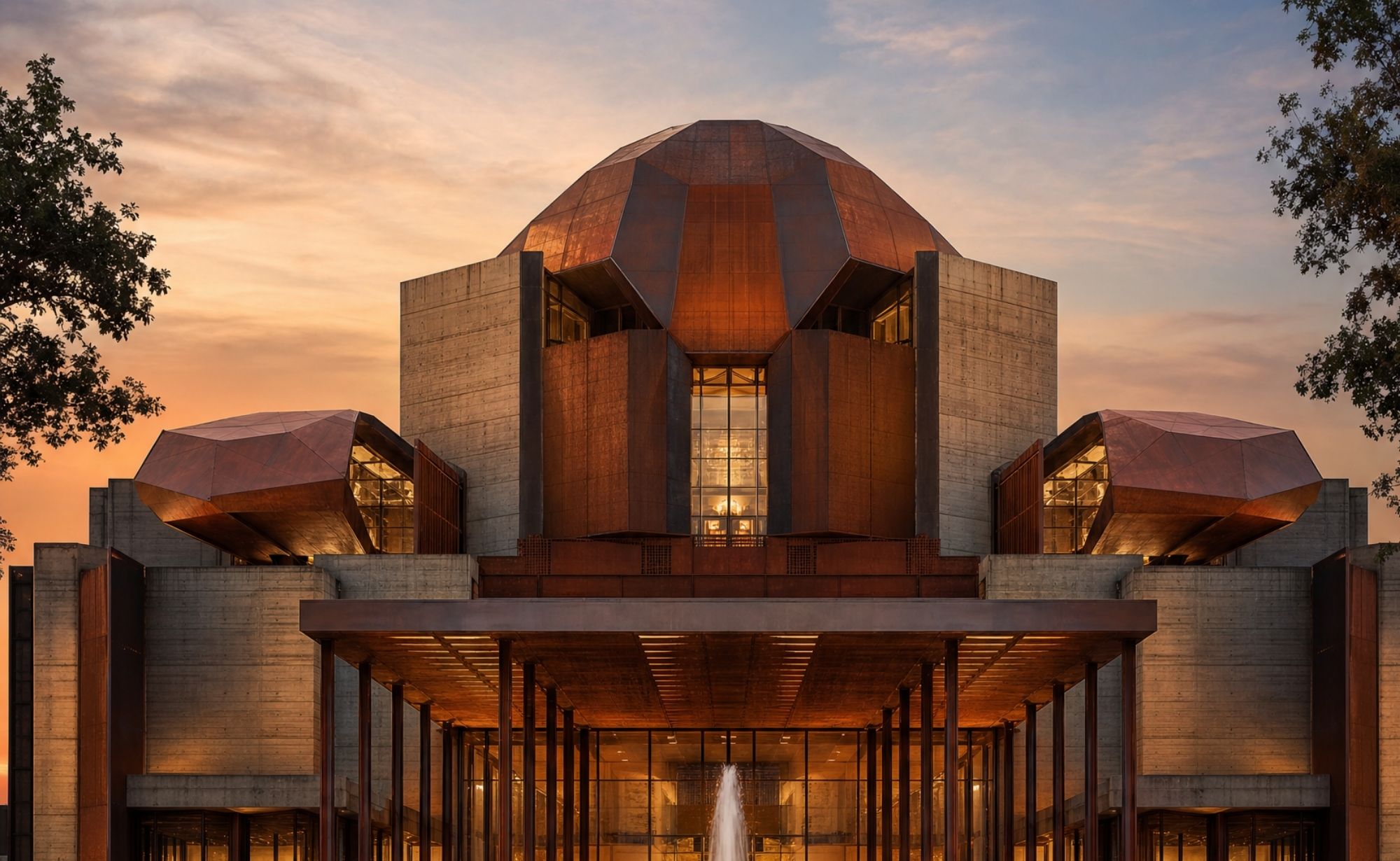
Bernard Khoury
Bernard Khoury’s architecture confronts the scars of post-war cities like no other. The Cairo Opera House would have become a provocative dialogue between memory, tension and the layered complexities of the city.
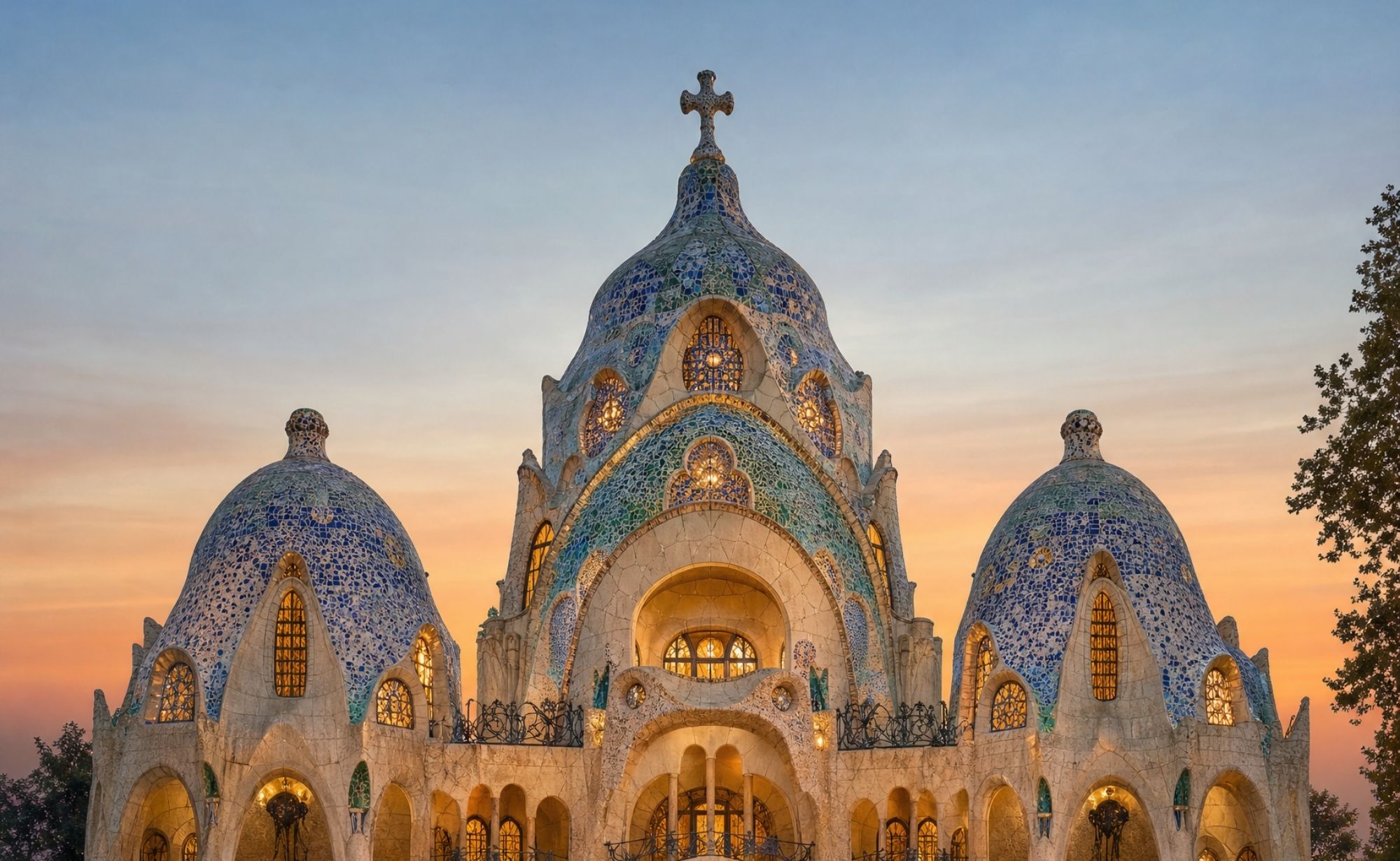
Antoni Gaudí
If Cairo had borrowed from the Catalan dreamscape of Antoni Gaudí, the Opera House would have grown into an organic masterpiece, where colourful details and sculptural textures transformed the language of nature into a celebration of music.
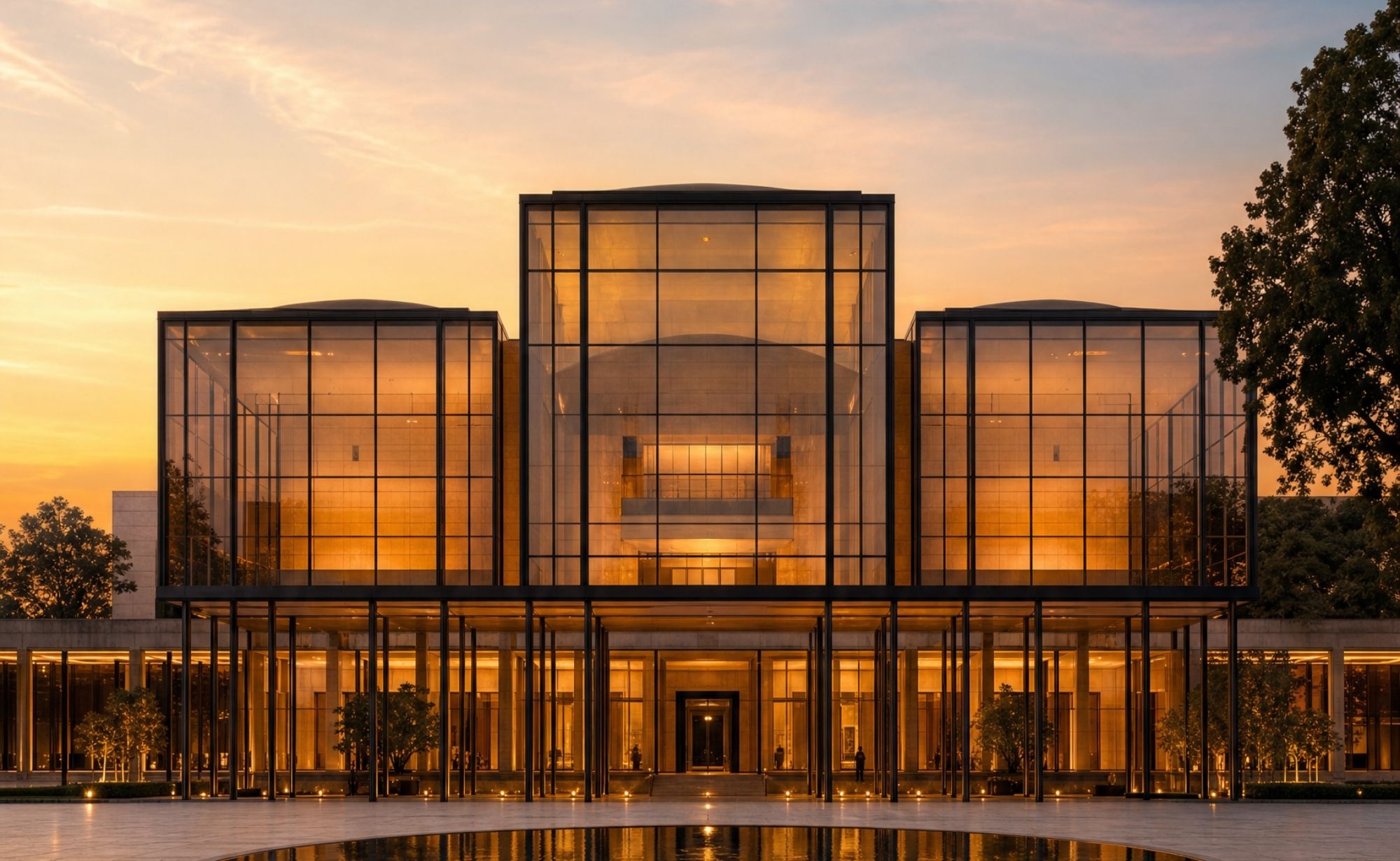
Mies van der Rohe
Mies van der Rohe’s pursuit of clarity and precision would have transformed the Cairo Opera House into an exercise in elegant restraint, where glass, steel and proportion created a timeless stage for the city’s cultural life.
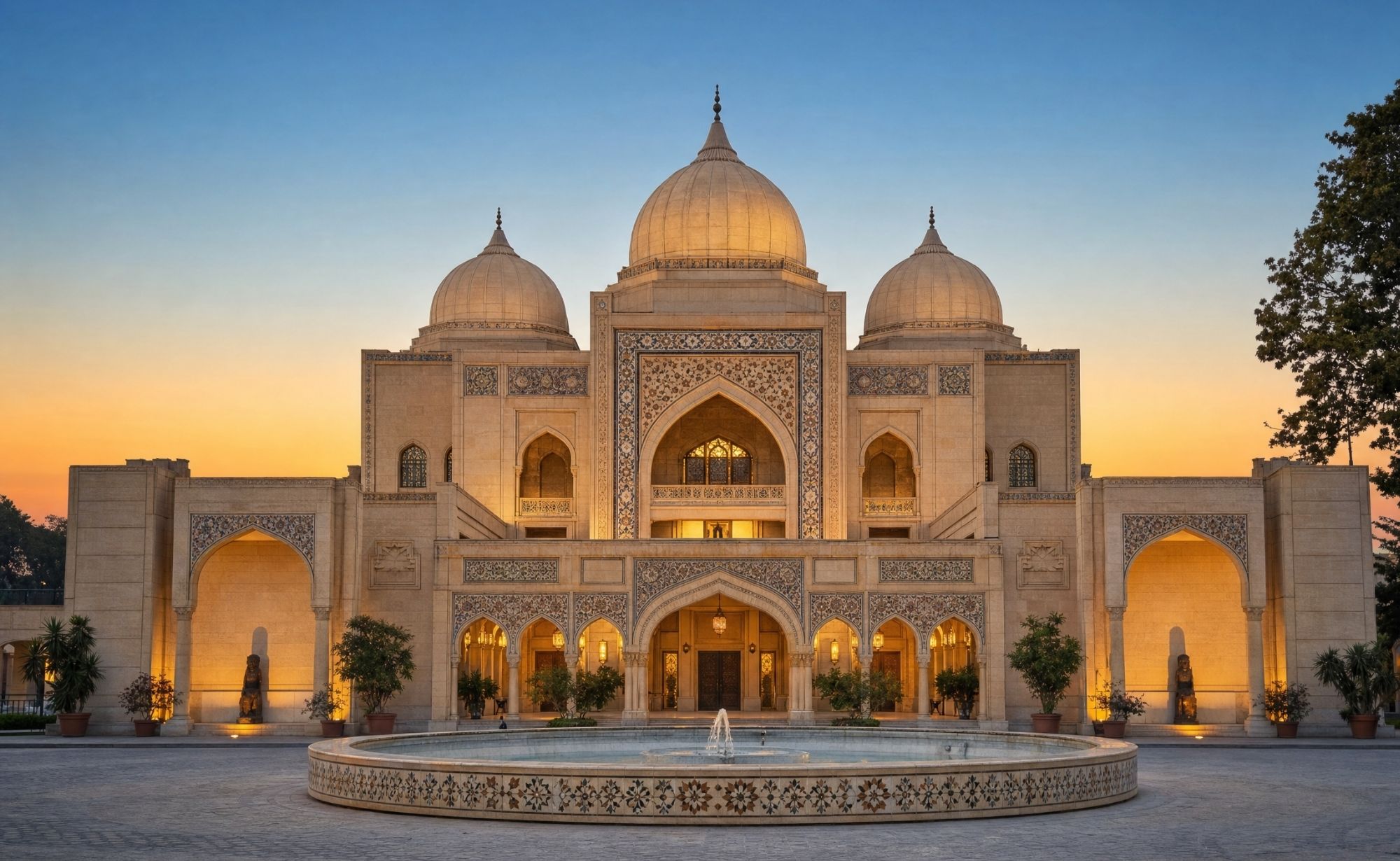
Ustad Ahmad Lahori
The mastermind behind one of the Seven Wonders of the World - the Taj Mahal - would have brought the same pursuit of perfection to the Cairo Opera House, where symmetry, grandeur and exquisite craftsmanship would have created a landmark impossible to miss.
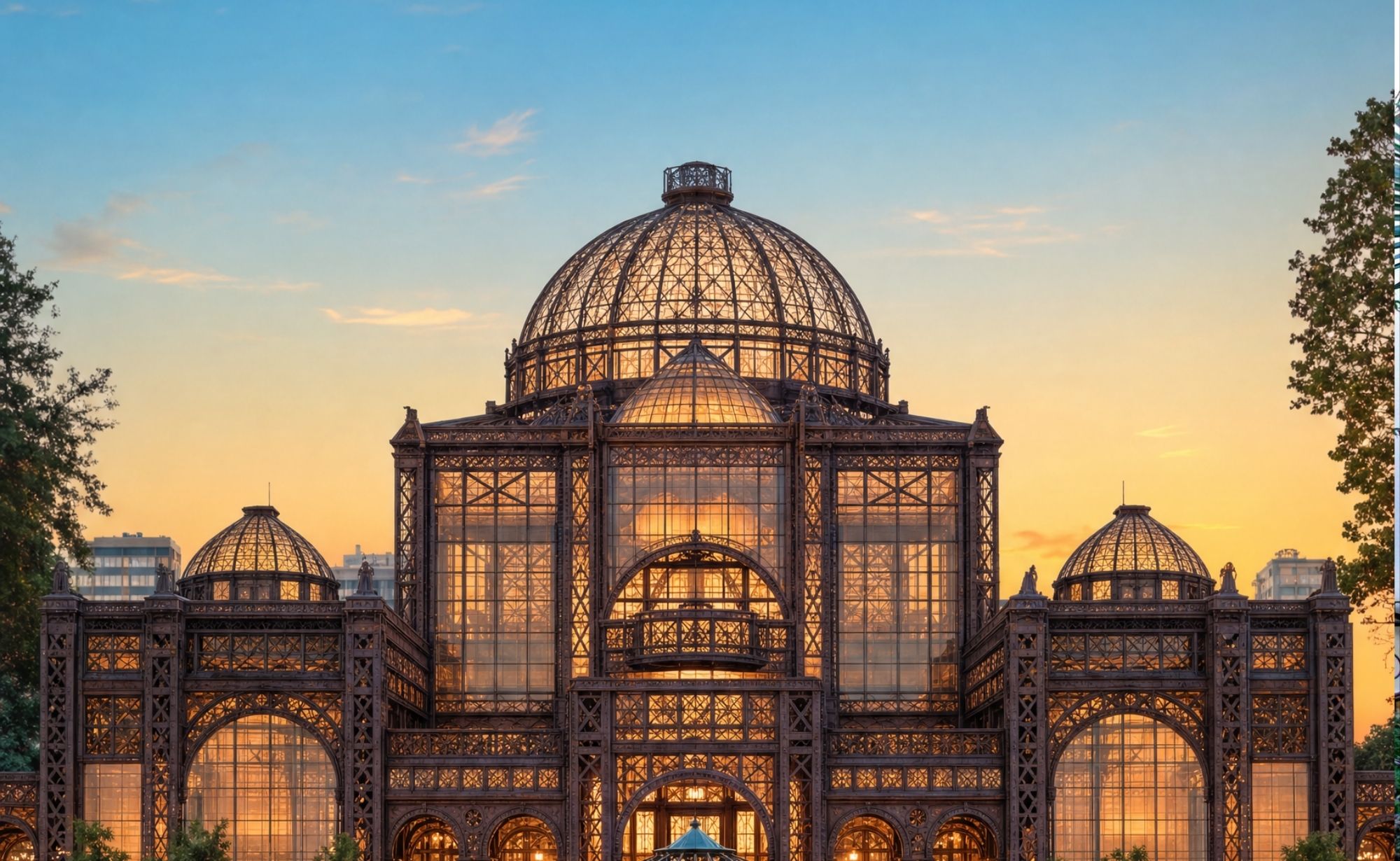
Gustave Eiffel
The engineer behind the Eiffel Tower and the Garabit Viaduct would have brought his mastery of iron and structure to the Cairo Opera House, where intricate steel would have transformed it into a landmark of innovation.
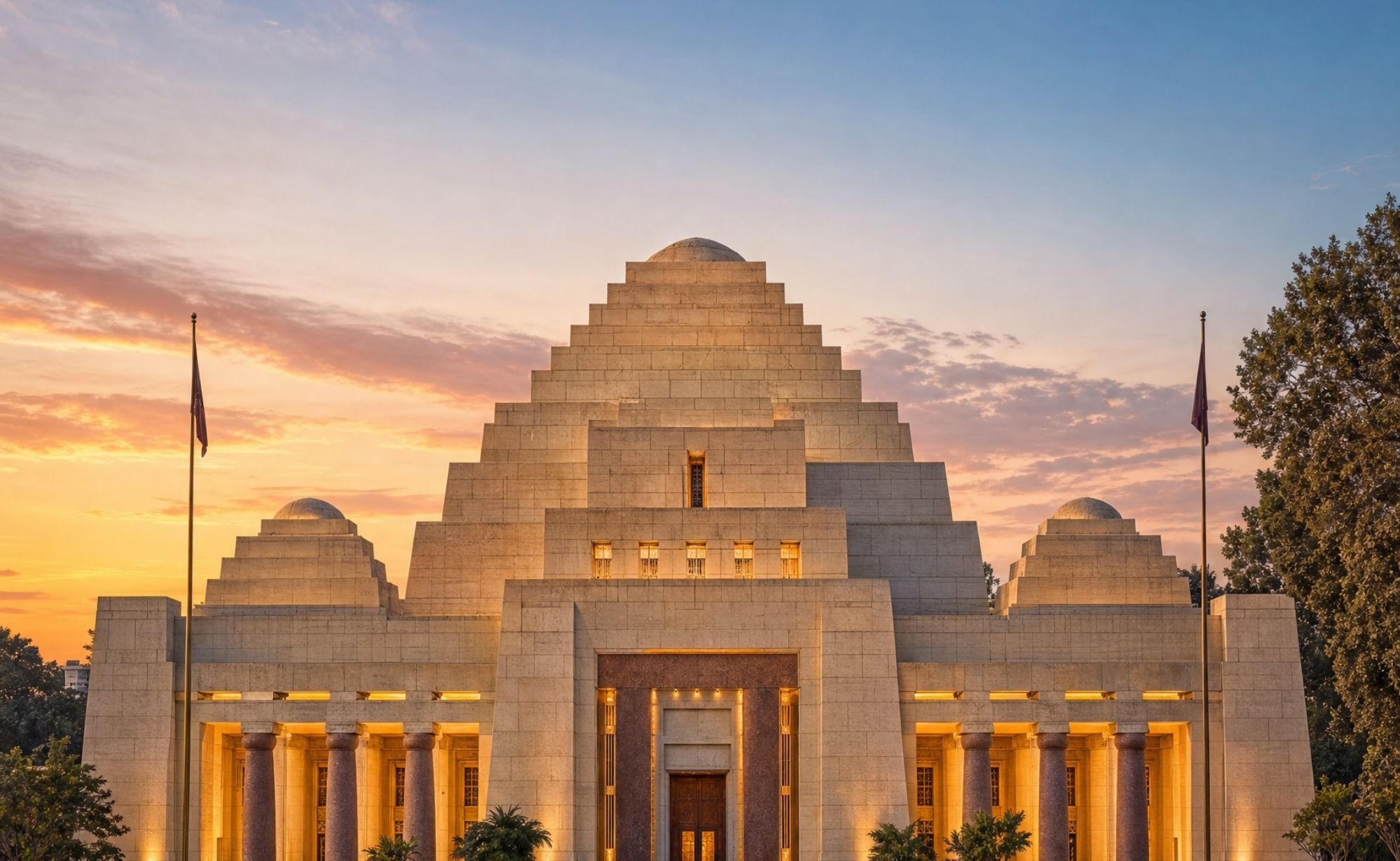
Imhotep
The world’s first known architect would have brought the origins of monumental design to the Cairo Opera House, where ancient wisdom and a mastery of stone and scale would have shaped a landmark echoing the enduring legacy of Egypt’s earliest monuments.