

Egypt’s Mud Studio Builds Its Architecture From the Earth Beneath It
At a time when Egypt's skylines are increasingly defined by glass facades, concrete towers, and master-planned developments, Mud Studio is looking in the opposite direction.
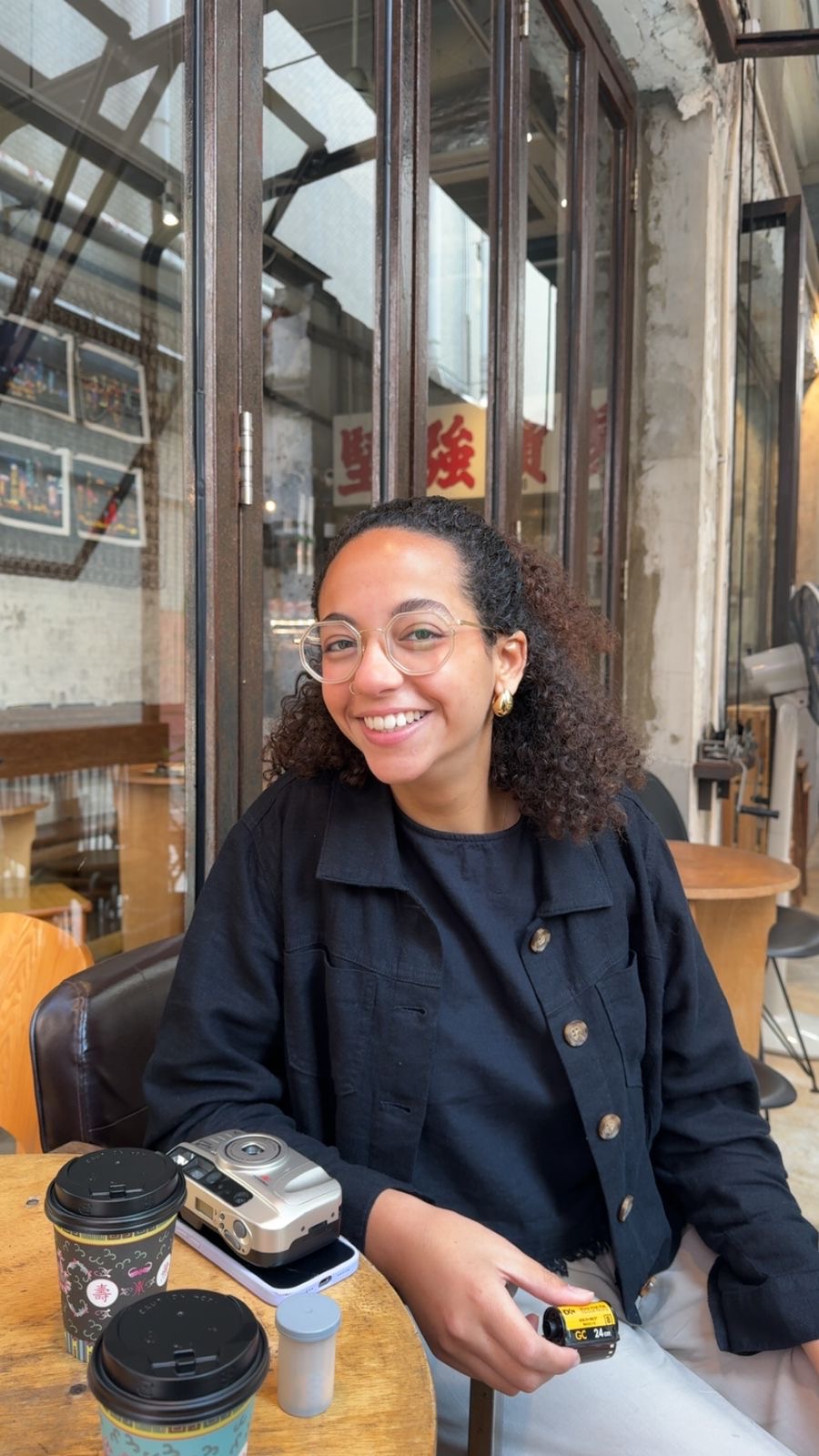
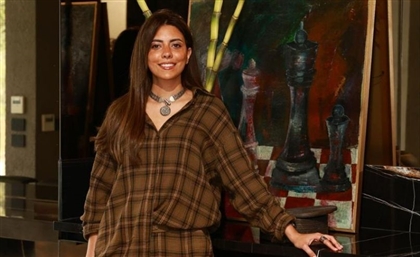
Mohamed Tantawi, an urban planner and founder of Mud Studio, does not look towards the future as it is typically imagined, but towards a material that has shaped human settlements for thousands of years: earth.
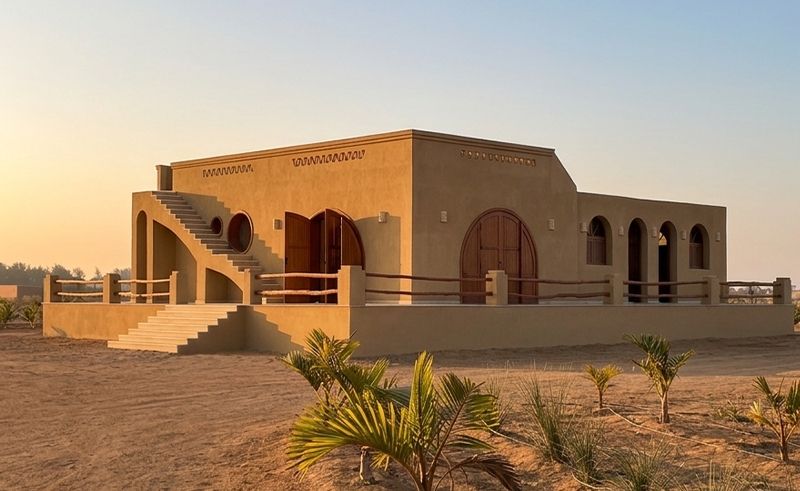
Through Mud Studio, Tantawi is leading a growing movement centred around earthen architecture, hands-on education, and vernacular building practices. While mud is rarely associated with innovation, for Mohamed Tantawi, earth is neither primitive nor outdated. It is one of the most abundant materials available today, and he uses it as a response to questions of climate, affordability, identity and belonging – questions that first emerged during his university years and have guided his career ever since.
Why are architects taught to design for certain people and not others? Why do buildings today feel detached from the places they occupy? And what gets lost when architecture becomes more concerned with image than belonging?
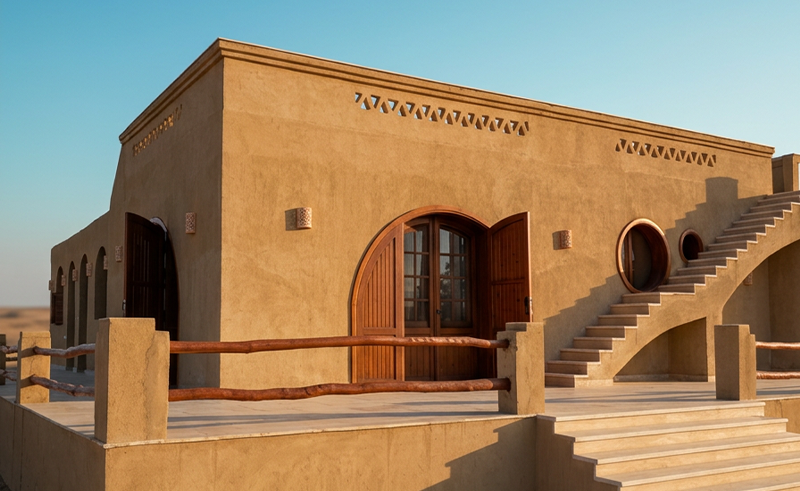
For Mohamed Tantawi, these questions began forming during his university years. While studying Urban Planning in the years surrounding Egypt's 2011 revolution, he found himself feeling disconnected from the projects he was being asked to design. One of the first assignments given to students after classes resumed post-uprising, was the redevelopment of Tahrir Square, framed through the lens of tourism. For Tantawi, it felt detached from the social realities that had just unfolded in the square itself.
This feeling followed him into his graduation project. While many of his classmates designed large-scale luxury resorts, Tantawi focused instead on creating housing for the workers who would ultimately inhabit and sustain these environments. He proposed low-rise buildings inspired by human-scale communities rather than the towers that dominated many of the other submissions.
"From that moment, I realised that there are two worlds in architecture," Tantawi tells SceneHome. "There is a world that serves the mainstream, and there is another world which rarely gets addressed."
After graduation, he moved between urban planning, architecture, and sustainable design. He worked on projects spanning multiple Egyptian cities, later spending time in Zambia, where he says he learned one of the lessons that would ultimately shape Mud Studio. "My work in Africa taught me that there is no one-size-fits-all solution. Everyone can have their own solution depending on their culture." He realised that good design was not about imposing a singular vision, but responding to context, climate, and the people who inhabit a place.
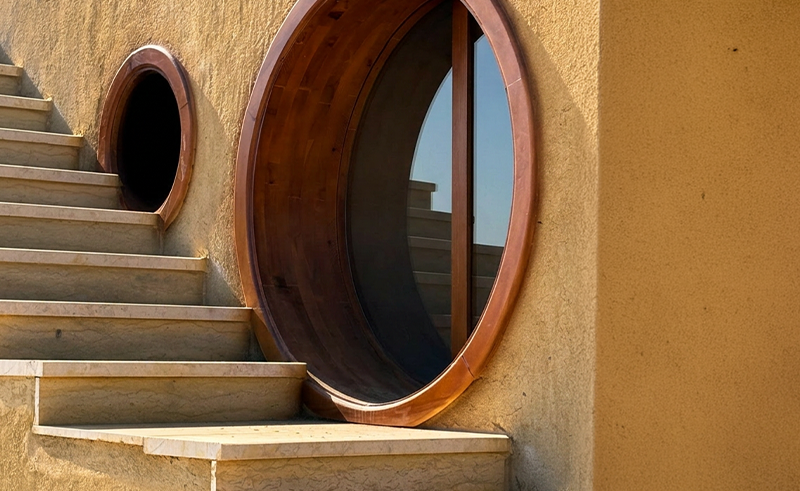
Another defining turning point came during his work on the restoration of Hassan Fathy's village in Luxor. As part of a UNESCO-supported conservation effort, Tantawi spent several years immersed in one of Egypt's most celebrated examples of earthen architecture. Beyond restoration, the experience gave him an intimate understanding of how mud-brick buildings perform over time, how they respond to climate, and how deeply architecture can be tied to place.
He later pursued a master's degree in Integrated Urban Sustainable Design, which deepened his interest in sustainability and the relationship between architecture and communities, laying the foundations for Mud Studio. Today, Tantawi’s studio has become one of Egypt's most visible advocates for earthen architecture and vernacular building techniques.
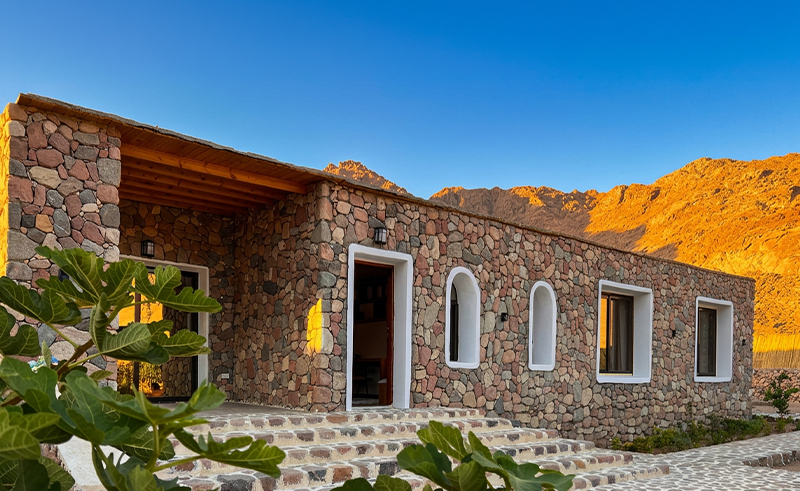
Yet despite working with one of humanity's oldest building materials, he claims, "traditional building is connected to the past, but vernacular is connected to time and place." This distinction defines Mud Studio’s philosophy. While traditional architecture often looks backwards, vernacular architecture responds to the realities of a specific environment. "My interest is not in copying old building techniques," says Tantawi. For him, the appeal of building with earth extends beyond aesthetics because it addresses multiple needs simultaneously. It provides thermal comfort, lowers construction costs, creates visually distinctive spaces, and evokes a sense of familiarity that many contemporary buildings struggle to achieve.
When it comes to the technicalities of building with earth, Tantawi favours adobe construction over rammed earth. As a method deeply embedded within Egypt's own architectural history, adobe relies on techniques and skills that many local craftspeople already understand, making it easier to train workers and transfer knowledge. In addition, he has managed to create machinery that mass-produces adobe bricks, making the process more scalable and less labour-intensive.
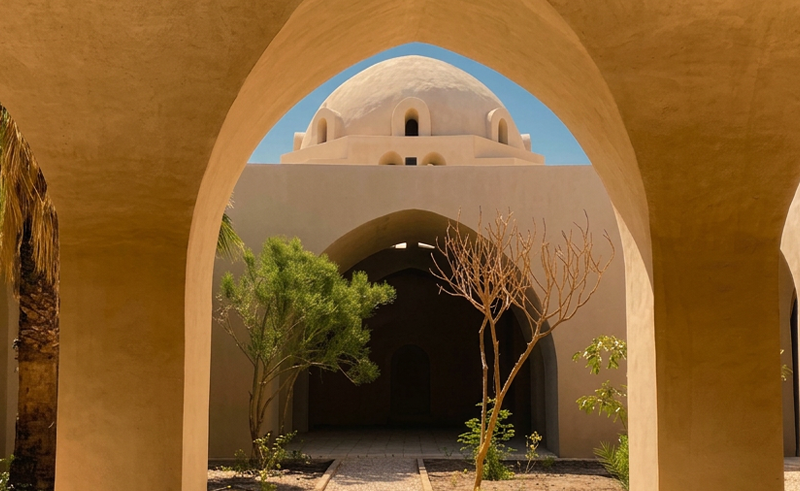
Tantawi sees earthen architecture as a viable alternative for a much broader audience; he is interested in demonstrating that natural building methods can function within contemporary life without becoming an expensive statement piece.
If architecture is one side of Mud Studio, education is the other. "I consider education a duty," he says. "I made a promise to myself to transfer this knowledge to other people." Long before the studio was formally established, Tantawi was organising workshops that brought students, architects, and builders together to learn through making. Today, that educational component remains central to the studio's identity through hands-on workshops, site visits, and online courses exploring everything from the foundations of vernacular architecture to material science and wall systems.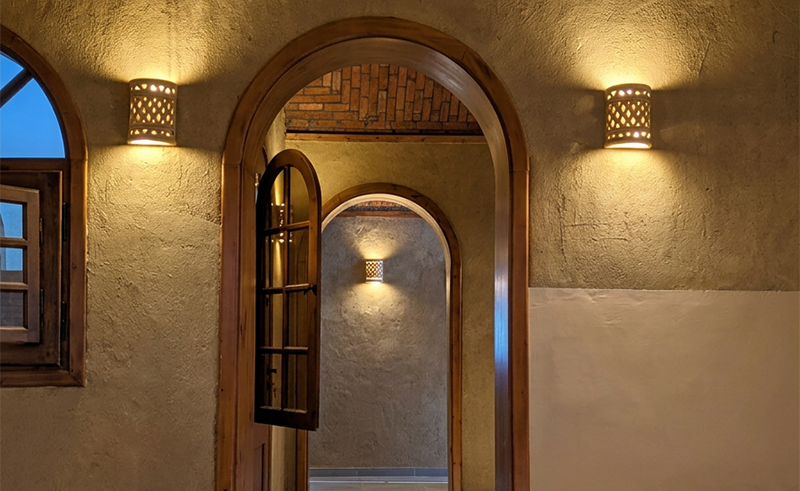
The audience is remarkably broad. Architects, interior designers, students, developers, business owners, and curious homeowners all find their way into Mud Studio's workshops. For Tantawi, this diversity defines the studio’s success, as his goal is to build a large community around earthen construction.
The practice argues that buildings should belong to their environment, serve their inhabitants, and materials should work with rather than against nature. Mud Studio is an attempt to rethink what architecture can be when it begins with place, people, and the simple act of building with what is already beneath our feet.