

Egyptian Architect Rania Hamed Believes Materials Carry Meaning
Rania Hamed shares how history, function and cultural context inform her multidisciplinary practice.


Whether designing a building, an interior or a piece of furniture, Egyptian architect Rania Hamed begins with the same process. Her work is informed by research into the history, function and cultural context of architectural elements, shaping projects that span architecture, interiors and product design.
Growing up in a family working with textiles and leather introduced Hamed to craftsmanship from an early age. She began her career in fashion and visual merchandising before establishing Rania Hamed | RHD (Previously VSHD Design), a multidisciplinary design studio based in the UAE and Montreal, whose work spans architecture, interiors and product design. That shift in discipline also shaped her perspective on design. "Over time, my work has become less focused on aesthetics alone and more focused on the cultural and emotional impact that design can have on people and communities," Hamed tells SceneHome.
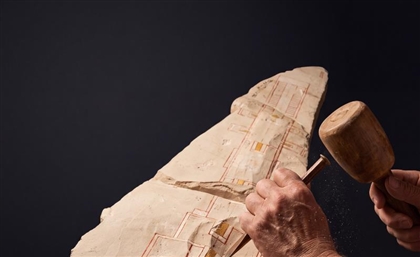
The studio's approach can be seen across projects of different scales. Orijins Coffee Shop, conceived during the COVID-19 pandemic, features carved marble blocks inspired by the way water gradually shapes stone. Each block is individually carved, creating subtle variations in texture and form throughout the space. In 'Ommi', a table created with Gallotti & Radice and unveiled at Milan Design Week 2026, cast wired glass and polished stainless steel are used to explore the structural logic of the mashrabiya. The embedded grid draws on the element's role in responding to climate, privacy and patterns of occupation. "Whether it is a restaurant, wellness space, or private home, the question is always the same: how can this place make someone feel connected, calm, inspired, or curious?" Hamed says.
That interest in architectural elements extends to the way Hamed engages with heritage. Her research examines the environmental, social and cultural conditions that shaped traditional forms before those ideas are interpreted through contemporary materials and methods. "Once you understand why something existed and what purpose it served, you can reinterpret that intelligence through contemporary materials and forms."
Hamed sees a similar shift taking place across Dubai's design landscape. While the city has long welcomed architects and designers from around the world, she believes there is growing interest in work informed by Arab culture and regional context. "There is still so much of our regional design history that remains unexplored," she says.
Looking ahead, Hamed expects designers across the Middle East to express culture with greater confidence while drawing on principles that have long existed within the region's architectural heritage, including craftsmanship, natural materials, longevity and thoughtful use of resources. She also believes interior architects have an educational role through the spaces they create, influencing how people live, gather and interact.
For emerging designers, the advice she offers reflects the values that guide her own practice. "Take every opportunity, no matter how small, because experience is invaluable. Most importantly, always ask yourself what value your work brings. Design is not just about creating something beautiful; it is about solving problems, improving experiences, and contributing something meaningful."