

Inside Dalia Emad Aly’s World of Upcycling & Artful Resistance
Architect-turned-upcycler Dalia Emad Aly remakes everyday objects into functional art.
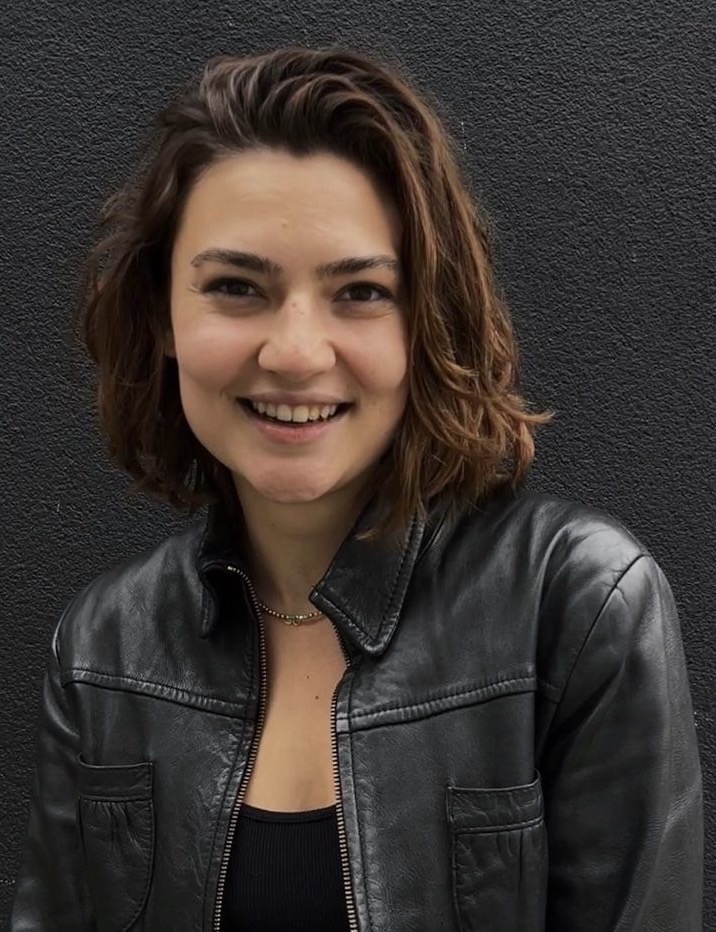
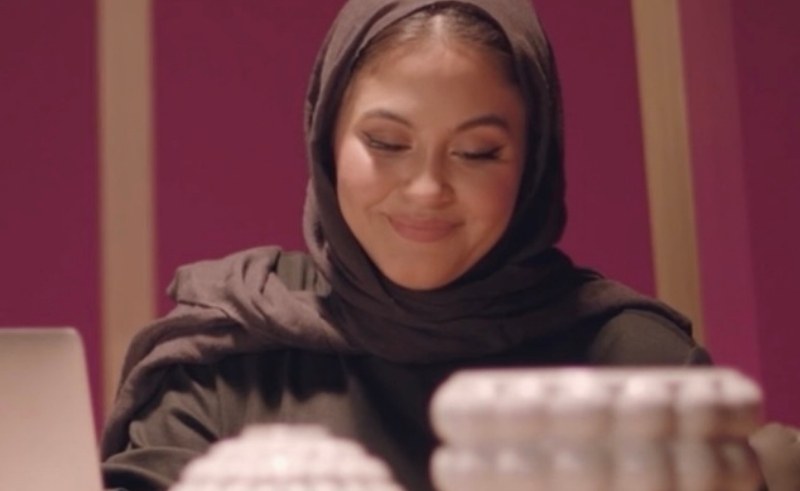
In Egyptian architect Dalia Emad Aly’s universe, nothing is ever really finished. A table might be a canvas. A bottle might become a lamp. A piece of furniture can be reformed to carry the weight of heritage, politics, and memory. Known for teaching furniture upcycling on Instagram, she turns DIY into something more layered: a practice where design, storytelling, and sustainability intersect.
Trained as an architect, Aly didn’t initially set out to become an upcycler. Architecture was simply the closest path to what she loved most: building tiny worlds. As a student, she was drawn to model-making, the miniature structures architects use to imagine space before it exists. “I liked building little houses and homes,” she explains, though architecture eventually proved far broader than that.
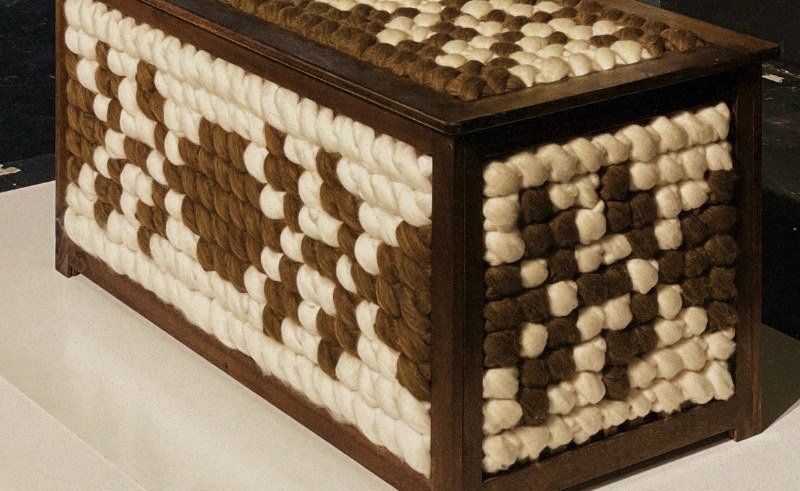
But the instinct stuck. Even now, that fascination with scale shapes how she works.
The shift into upcycling came during the global pause of COVID-19. Locked inside her home, surrounded by objects she couldn’t replace, she started experimenting with what she already had. Painting furniture. Rearranging surfaces. Tweaking materials. Small acts of transformation quickly became a new creative language. “During the pandemic, you had to face the space that you live in. You had to face the reality of the world and how even politically things are connected to something seemingly banal to how you're sitting in your home – you're a part of something so much bigger.”
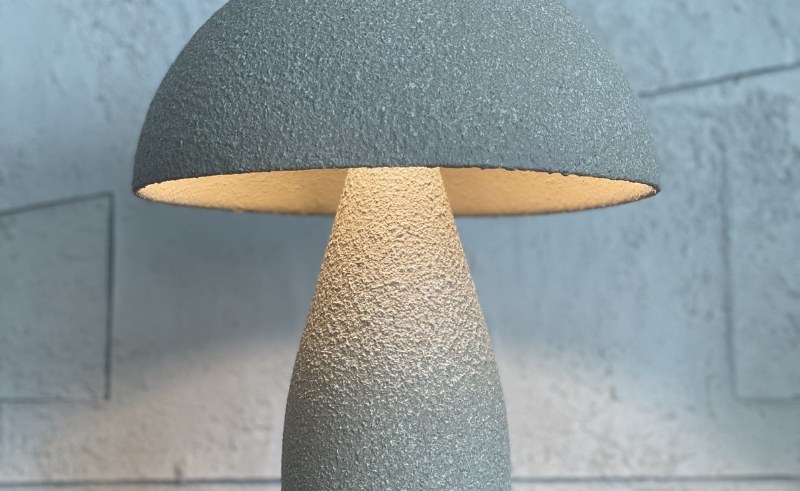
“The more I saw potential in things,” she says, “the more I realized everything around me could be upcycled.” At the same time, she was learning about sustainability – about waste, resources, and the environmental consequences of disposable design. The two threads fused into a philosophy in which recycling didn’t have to feel utilitarian or dull.
Her architectural training still shapes everything she makes. The process starts with a problem: when she comes across an object, her first question isn’t what could this be? But what do I need right now? That same logic guides both her design and her storytelling. Architecture, she says, trained her across materials, photography, graphic design, colour, and presentation – skills that inform how she shares her process with her growing online community. Aly reflects, “I think people connect with my work, because it's not just what you see. It's also historically, how did this come to be or what's the cultural significance of the thing that you're creating.”
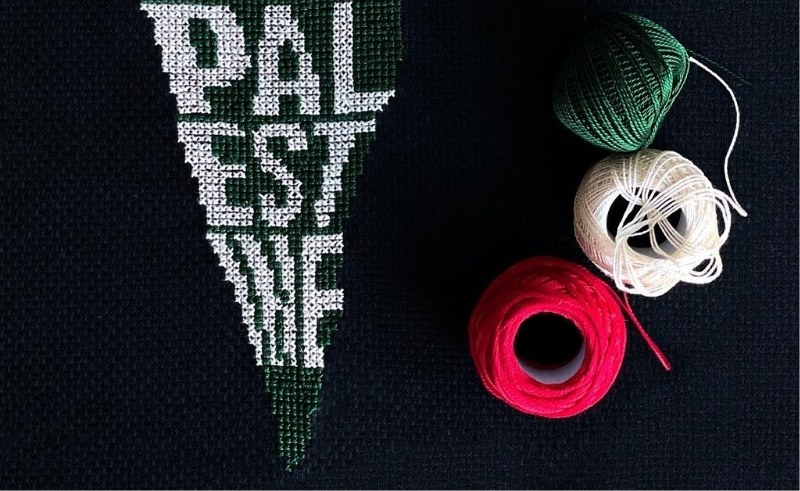
Through this lens of connecting objects with politics and the world around her, Aly set out to create objects that were not only aesthetically pleasing but told a deeper story about the people and places that matter to her. She became particularly fascinated by tatreez, the Palestinian tradition of embroidered motifs that encode personal and geographic histories. In one tatreez class, Aly was introduced to Biyut – an E-shaped Palestinian motif – and learned how embroidery has long worked as a coded language, with patterns signalling a woman’s city, family milestones, and even the landscape she lived alongside. What hooked her, as an architect, was the shape itself: why an “E”? Digging deeper, she realised it echoed the floor plan of traditional courtyard homes, with the form representing the house and the negative space suggesting the courtyard around it. That discovery shifted something. Aly became fascinated by how these tiny symbols can hold whole lives.
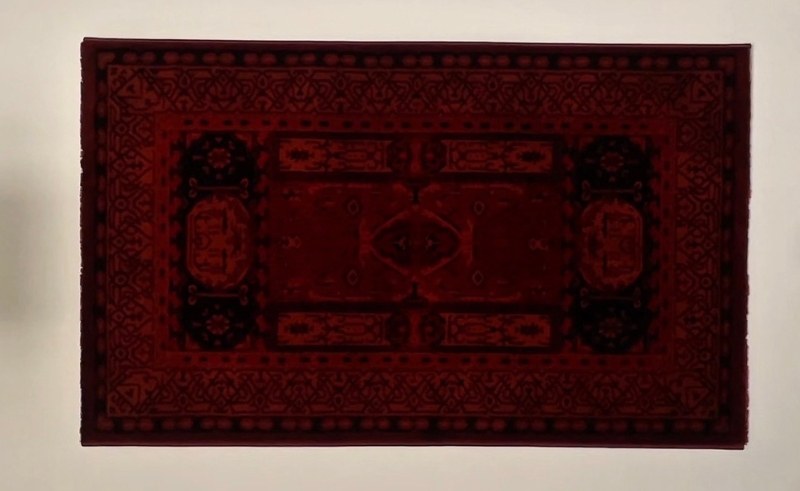
That idea now underpins much of her work. She gravitates toward decor that carries lineage and almost serves like an autobiography: rugs that tell family lineages, materials that hint at the natural environment where they came from, objects that feel culturally rooted rather than mass-produced. It’s also why she resists what she calls “cookie-cutter decor.” Instead of filling her home with generic pieces, she searches for objects with context and upcycles them as a means of what she calls “artful resistance.”
But Dalia doesn’t want the practice to remain solely for her home. Increasingly, she’s thinking about community. Workshops in Kuwait – where she is primarily based – already bring people together to transform everyday objects, like turning bottles into lamps. Yet she imagines something bigger: collaborative projects, tutorials, maybe even an upcycling competition show where materials are transformed into unexpected designs.
Beyond that, another ambition sits close to her heart: reconnecting with craft in Egypt. Though she moves between Kuwait and Egypt, she dreams of building projects that highlight Egyptian craftsmanship – ceramics, handmade candles, and traditional practices that stretch across generations but often remain under-recognised. “Many people don’t realise the creators behind Egyptian crafts. It's such a vast universe," Aly reflects. "It's my dream to be able to make Egyptian-made products and have a line between me and Egypt wherever I go.”
- Previous Article Dubai-Based Studio Designs a Coffee Shop Shaped by How Locals Gather
- Next Article The Ancestral Resilience of Omar El Farouk’s Fayoum Home