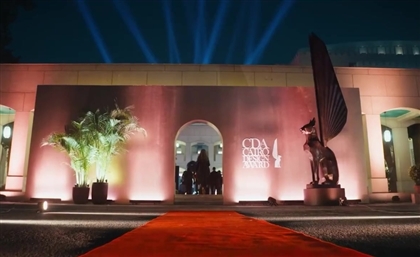


The Authorship of El Gouna’s Architectural DNA Through Distinct Voices
El Gouna’s architectural DNA was shaped by leading global architects across decades into a cohesive coastal town, including Michael Graves and LEGORRETA, alongside others.

In the late 1980s, Samih Sawiris arrived at a quiet stretch of the Red Sea that inspired him to build a town anchored by a small marina, setting in motion what would become El Gouna. From the outset, architecture was never treated as a backdrop to development, but as the foundation of the town’s identity itself. Rather than expanding through a singular style or rigid masterplan, El Gouna evolved through a collection of authored architectural interventions, each contributing a distinct voice while remaining tied to a shared environmental and spatial logic shaped by climate, landscape, materiality, and the relationship to the sea.
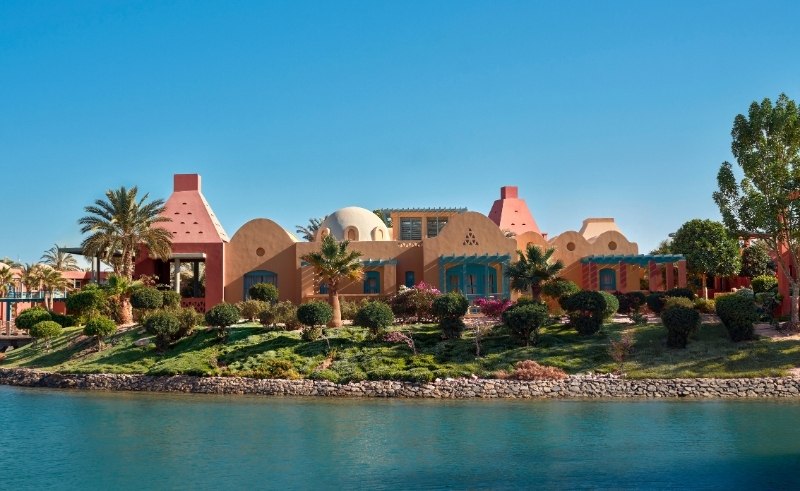
One of the earliest defining architectural layers came through the renowned American architect Michael Graves, whose work on the Sheraton Miramar, Golf Villas, and Steigenberger Hotel introduced a postmodern architectural language to the coastline. Through sculptural massing, geometric composition, and carefully framed views, his projects established a monumental hospitality identity that felt deeply connected to the surrounding landscape, helping define El Gouna’s early visual character.
Alongside this, Egyptian architect and urban designer Shehab Mazhar shaped White Villas as one of the town’s foundational residential layers, where architecture and planning worked in tandem to establish a coherent domestic identity rooted in scale and openness.
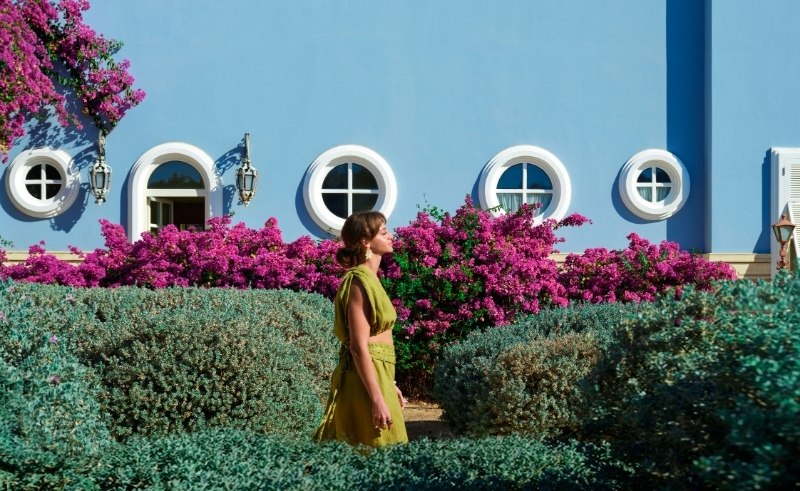
As the town expanded toward the waterfront, Italian architect Alfredo Freda defined Abu Tig Marina through a sequence of arcades, shaded promenades, textured façades, and framed pedestrian movement. The marina introduced an urban waterfront condition where the built forms became inseparable from the experience of walking and inhabiting the edge between land and water.
Elsewhere, Egyptian architects Ramy El Dahan and Ahmed Hamd brought a contemporary interpretation of traditional architecture through Nubia, drawing from vernacular spatial principles, climatic responsiveness, and crafted material expression to produce an environment grounded in cultural reference and environmental performance.
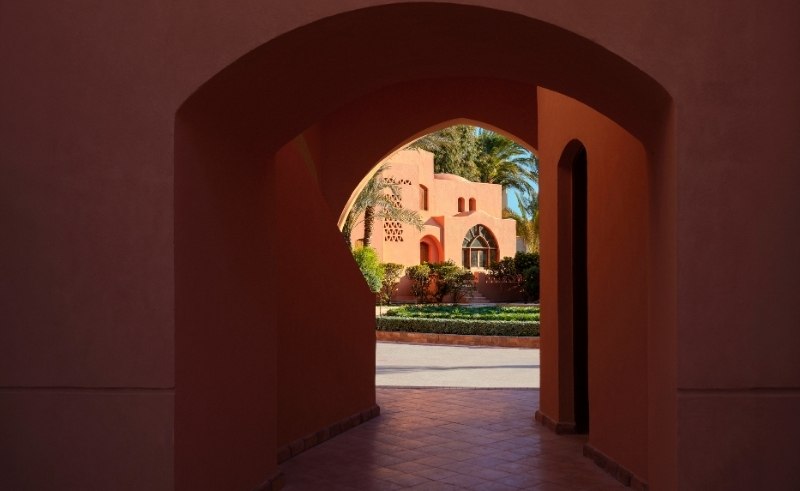
The landscape identity of El Gouna also emerged through the integration of architecture with terrain and ecology. The professional golf course architect Karl Litten shaped the town’s golf course environments from El Gouna's natural topography, while EDSA and SB Architects contributed to Ancient Sands and the Golf Resort through a master planning approach where landscape, movement, and built form operate as a continuous designed environment rather than isolated elements.
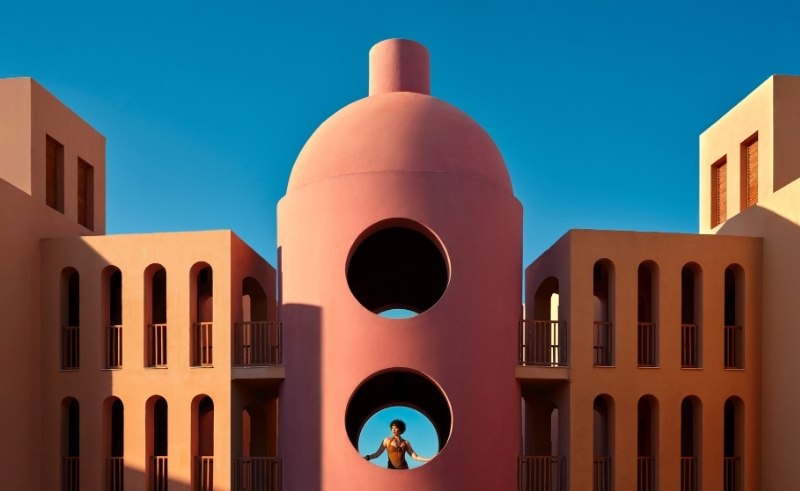
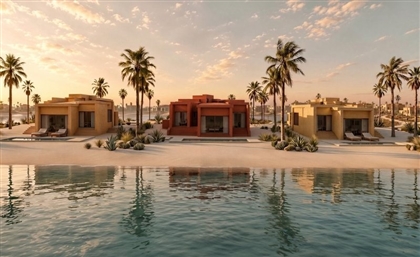
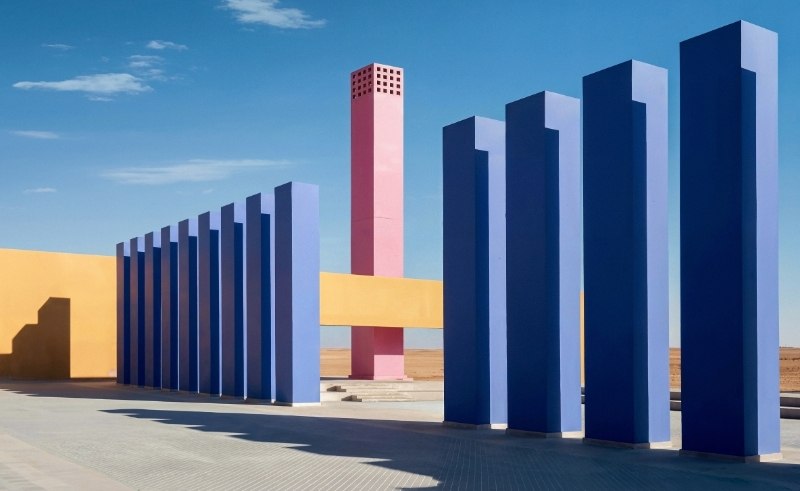
More recent additions continue to expand El Gouna’s architectural language without breaking from its larger identity. In North Bay, Mexican architect Víctor Legorreta Hernández and LEGORRETA introduced bold geometric compositions, colour, and sculptural spatial sequencing, adding a more expressive contemporary layer to the town’s evolving architectural vocabulary.
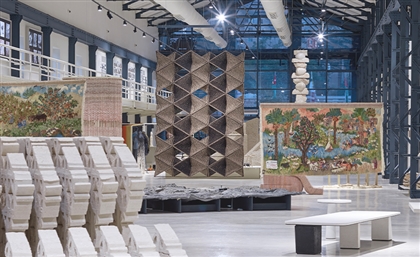
Meanwhile, Studio Seilern Architects brought a refined contemporary precision through the Gouna Conference and Concert Centre, continuing El Gouna’s emphasis on proportion, material clarity, and design-led environments.
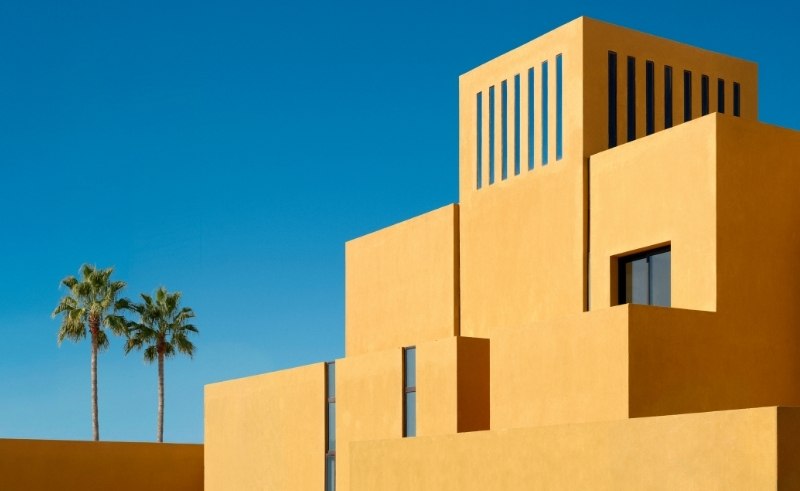
What defines El Gouna architecturally is the consistency of intent behind its evolution. Across decades, the town has accumulated layers of architecture authored by internationally renowned and Egyptian architects alike, creating a built environment where hospitality, residential, leisure, and landscape projects all contribute to a cohesive spatial identity.
- Previous Article Dusit Hotels' El Ghadeer Ecolodge Balances Oasis Nature with Luxury
- Next Article The Abandoned Architecture of Villa Badran by Gamal Bakry