

Salima Naji Restores Citadel of Agadir Oufella After 1960s Earthquake
Salima Naji restores the Citadel of Agadir Oufella, blending vernacular craft, memory, and earthquake repair.

At the edge of history and loss, architecture becomes a form of repair. The regeneration of the Citadel of Agadir Oufella draws on vernacular building traditions reworked for the present.
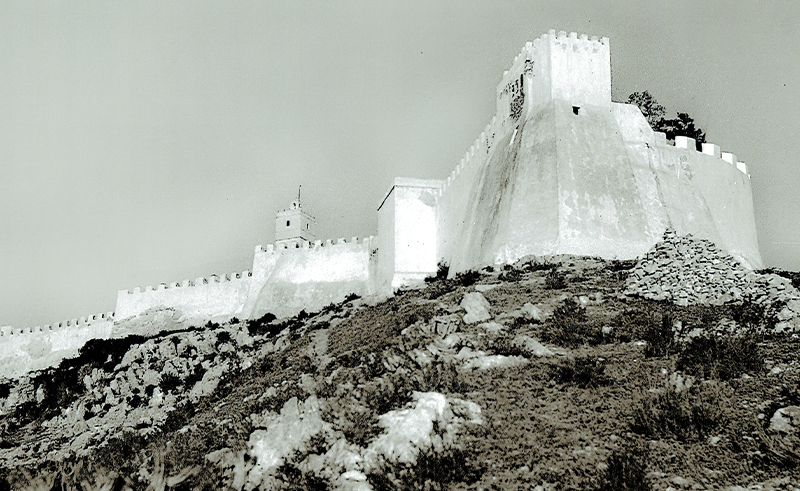
Perched above the Atlantic, the citadel has overlooked caravan routes and maritime trade for more than six centuries. Its kasbah formed the nucleus of the first city of Agadir and was listed as a Moroccan historic monument in 1932. The earthquake of 29 February 1960 devastated the city, reducing the medina and fortress to rubble and leaving hundreds dead within the walls. In the aftermath, the site was left largely abandoned, marked by emergency repairs and improvised interventions that altered both its structure and meaning.
Sixty years later, a national regeneration programme brought together archaeological research, architectural restoration, and public access, while acknowledging the citadel as a place of collective mourning. Salima Naji, architect and anthropologist and lead designer on the project, reflects on its scale: “It makes you feel humble to work on such a project. This regeneration is part of a wider programme for Agadir, aimed at transforming the entire city, not just the Kasbah, into a sustainable economic and tourist hub,” she tells SceneHome.
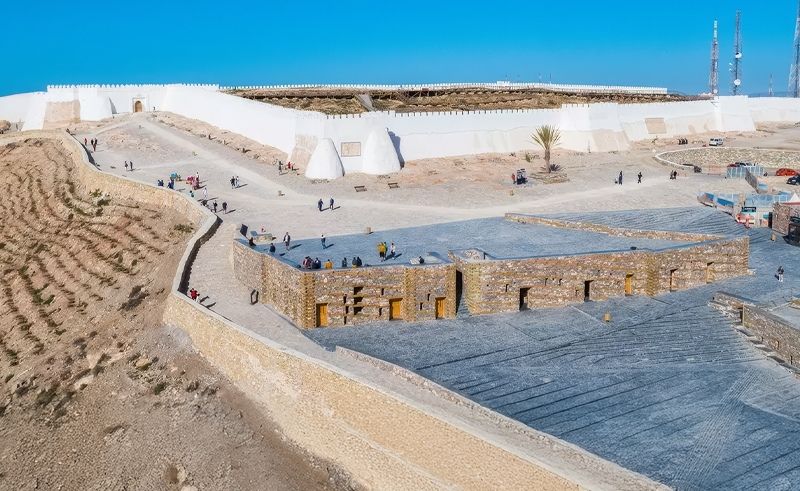
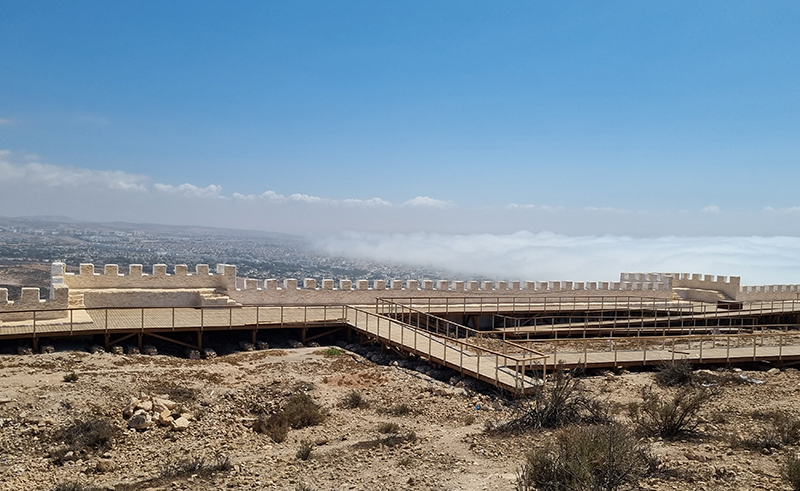
Covering ten hectares, including three within the citadel walls, the project followed a collaborative approach involving archaeologists, historians, anthropologists, architects, and engineers. A victims’ committee reviewed each stage, helping shape the restoration of the ramparts, visitor routes, and excavation areas. Raised wooden walkways trace the original streets of the medina, allowing visitors to move through the site without disturbing the ground below. The route also manages visitor flow and ensures accessibility. As Naji explains, “Creating a meaningful visitor experience goes beyond architecture. It requires understanding what matters, and knowing what should be revealed and what should remain untouched.”
The ramparts were rebuilt to their pre-1960 form, while interior areas retain traces of collapse. The mosque’s mihrab was carefully reassembled from its original elements, and the wooden minbar restored. A traditional dwelling, the tomb-zawya of Lalla Yamna, was excavated and reinstated. Together, these interventions allow the citadel to be read as a layered record of time, damage, and renewal.
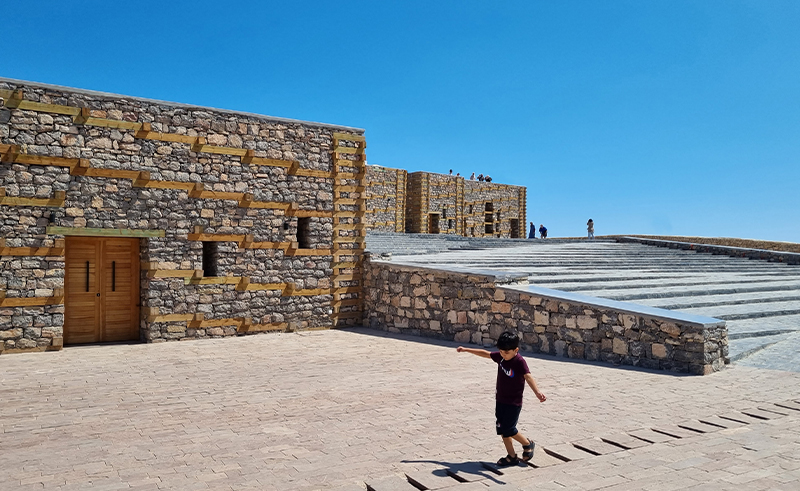
Visitor facilities are concentrated on a stone platform at the base of the hill, designed to remain largely out of sight. Access is provided by footpaths, shuttle buses, and a cable car, with its infrastructure integrated into the landscape. “Built in stone to blend into the hillside, the reception area is meant to be almost invisible,” says Naji. “From below, what stands out is the white fortress at the top.”
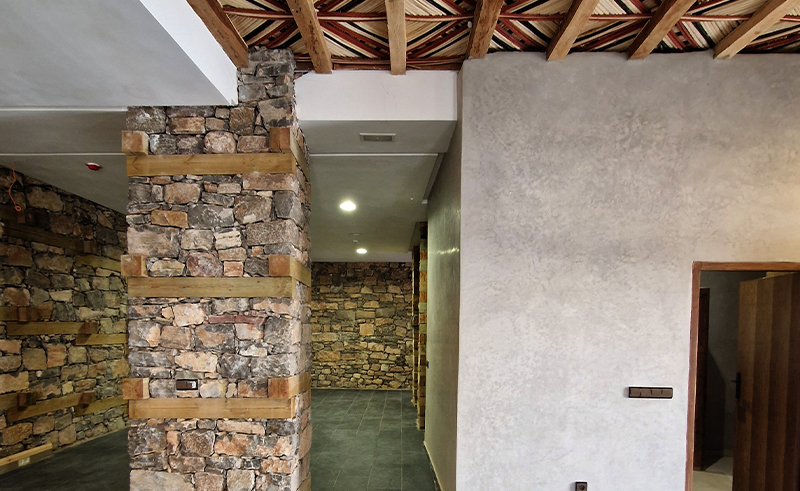
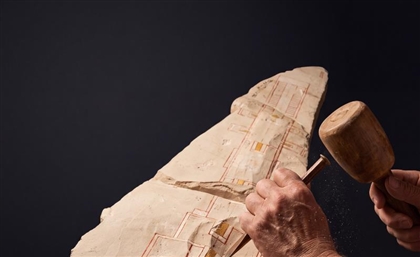
Construction relied on traditional earthquake-resistant techniques drawn from the Atlas Mountains. Stone walls are combined with timber elements that help absorb seismic movement, offering strength without relying entirely on concrete. For Naji, this approach was both symbolic and practical: “As a tribute to the victims of the earthquake, we chose to move away from an all-concrete solution and instead update vernacular construction methods for today,” she explains. “These techniques, rooted in local knowledge and materials, proved both relevant and necessary.”
This strategy reduced the project’s carbon footprint while supporting local craft. Materials were sourced regionally, and masons from the Anti-Atlas were trained in the construction methods used on site. Along the eastern rampart, restored stonework reveals older earthen layers beneath, marked by a horizontal line that traces the level of destruction left by the earthquake.
“The Kasbah of Agadir Oufella is a post-disaster reconstruction,” Naji reflects. “This project embodies the idea of repair. Architecture builds and repairs at the same time.” Rather than presenting a single story, the citadel is experienced as an accumulation of histories, where loss and continuity coexist.
- Previous Article Egyptian-Canadian Brand Kotn Opens Hotel for Creatives in London
- Next Article The Ancestral Resilience of Omar El Farouk’s Fayoum Home