

The Mud-Brick Houses on Esna’s West Bank
Still inhabited and continually adapted, these mud-brick homes reflect long-standing construction practices in Upper Egypt, where material availability and daily use guide architectural form.

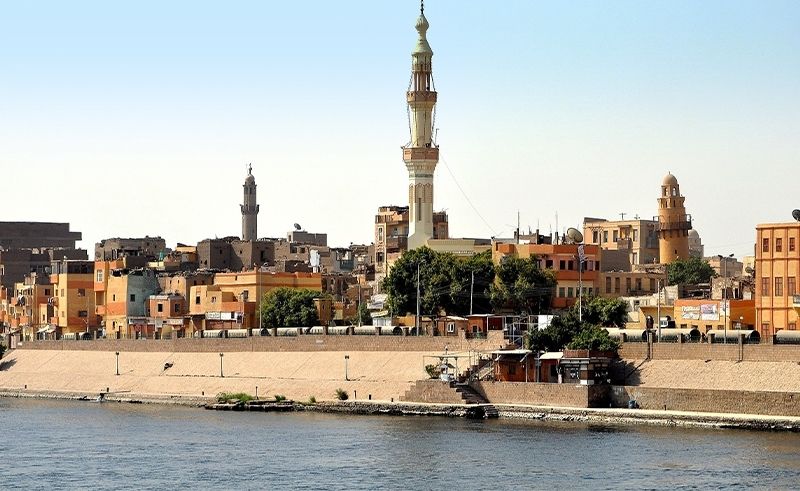
You might think of Esna—a small, sun-washed Egyptian city, usually brought up only for its Roman temple—as a place where architecture belongs firmly in the past. Cross to the west bank, though, and the story changes. Here, houses sit close to the ground, built from Nile earth, shaped by daily life, and still quietly doing the job they were meant to do.
The streets are calm, almost sparse, but the buildings feel deeply considered. Walls are thick enough to hold off the heat. Doorways pull back from the street, creating pockets of shade before you even step inside. Windows show up only where they’re useful, never more. There’s nothing decorative for decoration’s sake—every choice earns its place.

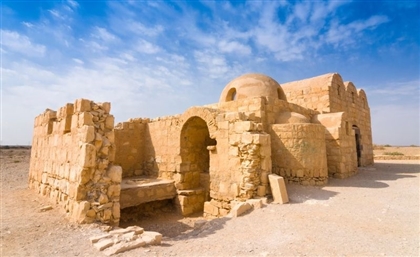
Mud brick holds everything together. Made from local soil and straw, dried under the open sky, and stacked into dense walls, it turns time into a design strategy. Outside, the sun is relentless. Inside, the air stays even. As evening settles in, rooms slowly release the warmth they’ve been holding all day. The material sets the rhythm.
Inside, houses are compact and straightforward. Rooms link through short passages. Light rarely enters directly; instead, it filters in through a small courtyard or an open pocket at the heart of the home. These spaces do the quiet work—softening sunlight, pulling air through, letting the house breathe.

Openings stay restrained. Windows are often high and modest, sized for airflow rather than views. Wooden shutters and screens shift with the day, adjusting light as needed. The effect feels thoughtful, not forced.

Look up and the construction shifts again. Flat roofs rest on palm trunks beside shallow brick vaults, built without formwork by masons who know exactly how far a brick can go before gravity takes over. The vaults use less material, keep heat from building overhead, and last. Many have been repaired. Very few have ever needed replacing.
- Previous Article UAE-Based Studio Transforms Date Seeds into Innovative Materials
- Next Article The Ancestral Resilience of Omar El Farouk’s Fayoum Home