

The Hidden Layers Behind Mikoü Studio's Practice
For French-Moroccan founders Selma and Salwa Mikoü, architecture starts with listening, observing, documenting, and building a relationship with a site.
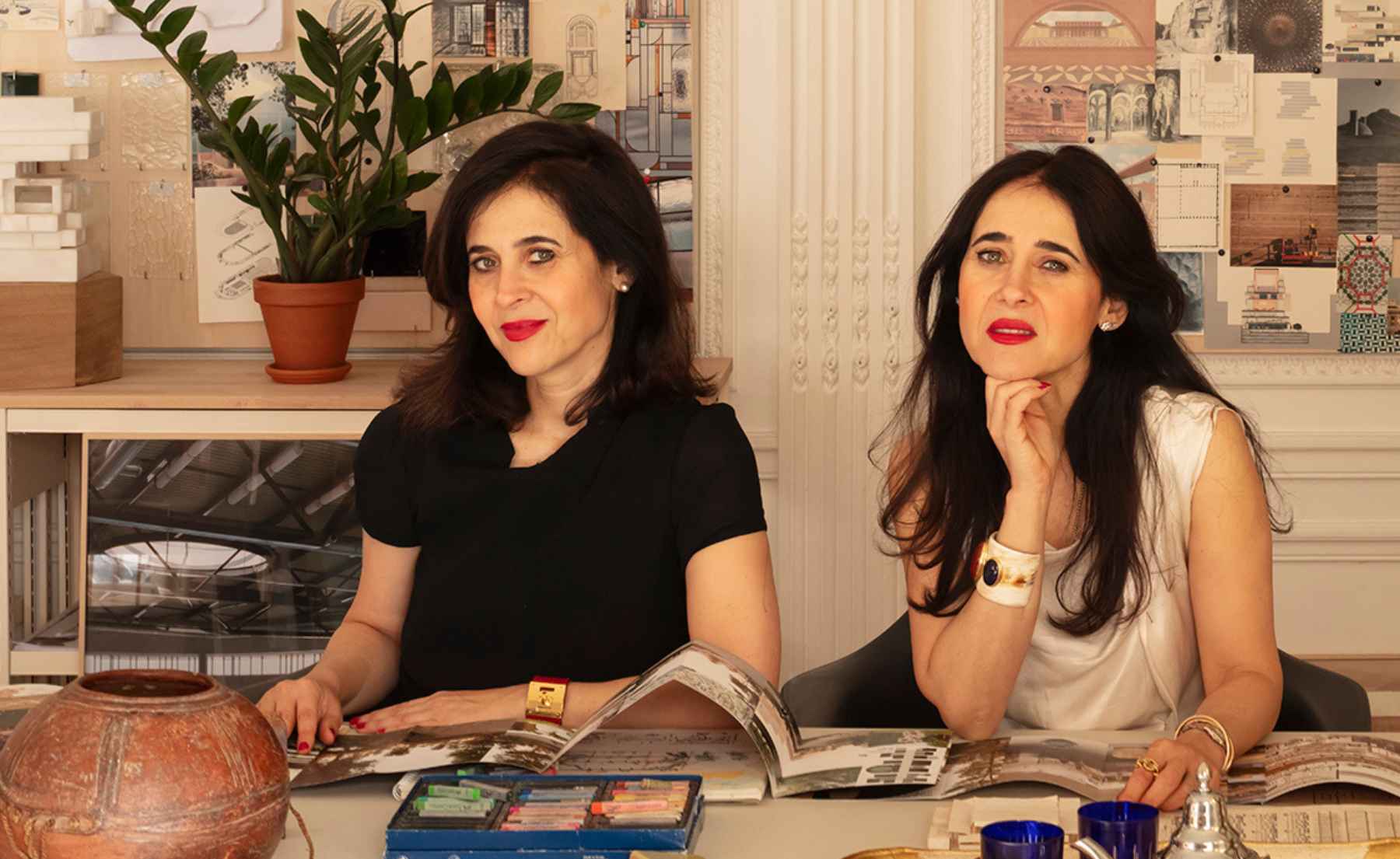
Born and raised in the historic Moroccan city of Fez before moving to Paris to study architecture at the École des Beaux-Arts, Selma and Salwa Mikoü - founders of Mikoü Studio - always initiate their architectural designs by listening, observing, documenting, and building a relationship with a site.
Today, the Paris-based architects work across museums, cultural institutions, educational facilities, housing projects, and urban interventions. Yet despite the diversity of their portfolio, a consistent thread runs through their work: a belief that architecture should bring people together.
Before establishing their own practice in 2008, the Moroccan-French architects gained experience at some of the world's most influential design firms. Salwa Mikoü worked with the renowned French architect Jean Nouvel, while Selma Mikoü worked with Renzo Piano. Despite the prestige of those experiences, both always envisioned creating a studio of their own.
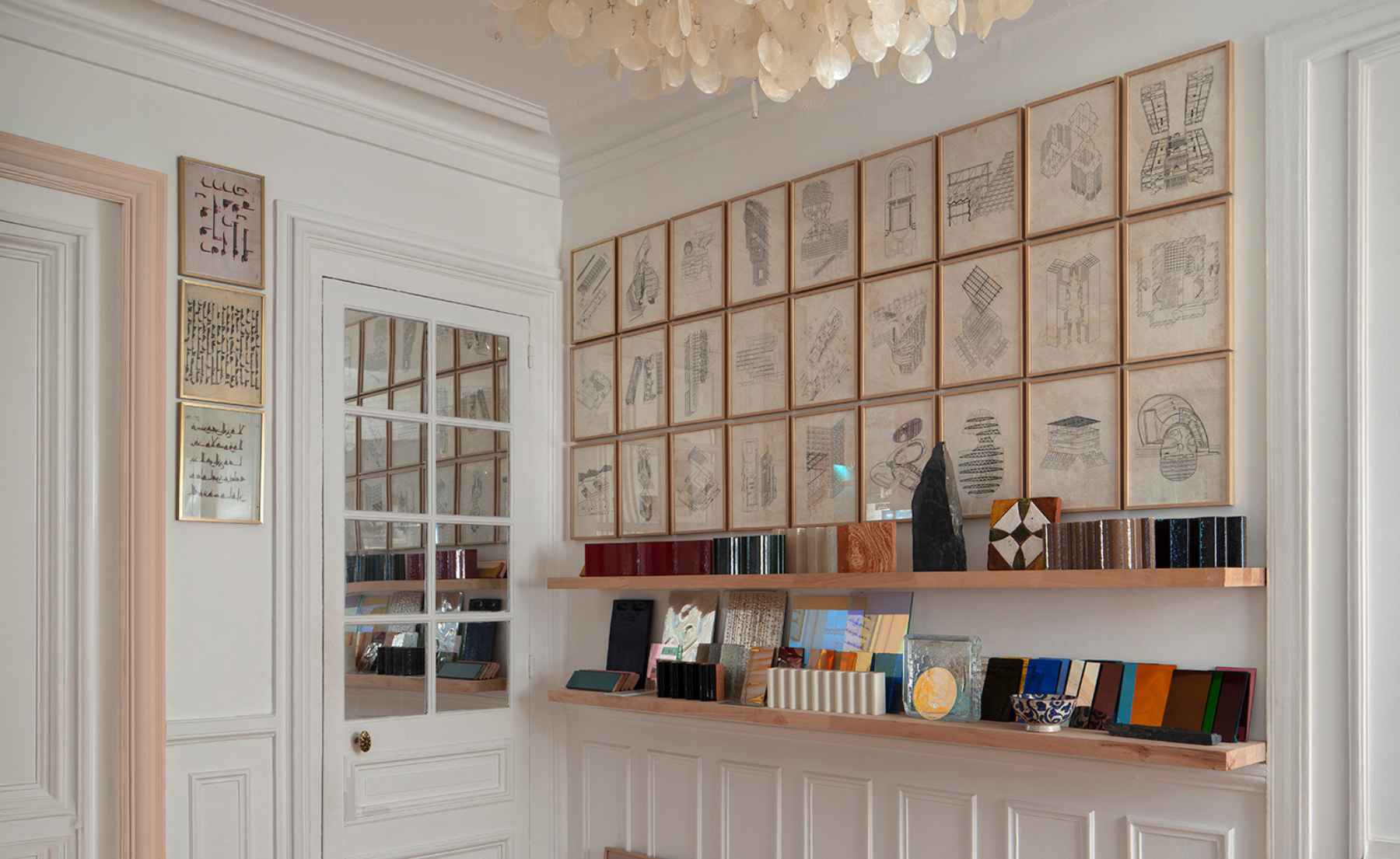
Their different professional backgrounds continue to shape the practice today. Salwa describes herself as naturally drawn to narrative, memory, and storytelling. "I love to work with layers, memory, and traces," she explains. Selma, meanwhile, gravitates toward geometry, construction systems, prototyping, and detail. Together, their different approaches and interests complement one another, bringing balance to their shared practice.
The Mikoü sisters have worked across museums, educational facilities, sports complexes, housing developments, cultural centres, and urban projects. Their portfolio has expanded significantly in scale, from educational facilities in the suburbs of Paris to major cultural developments in Morocco. Yet the core ambition of the practice has remained unchanged. "We were really interested in working on the idea of building culture. Architecture is an act of bringing different cultures together," says Salwa Mikoü.
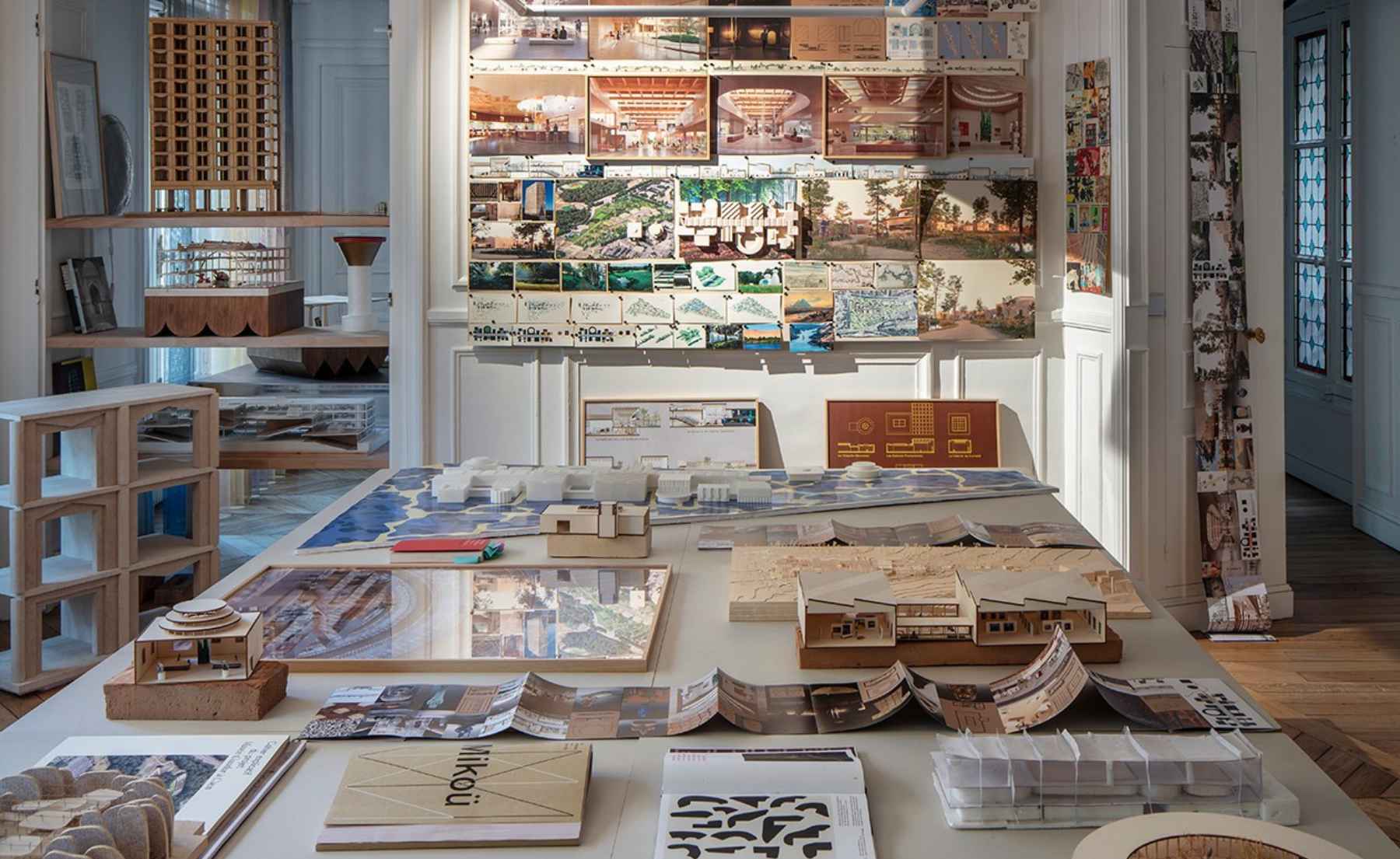
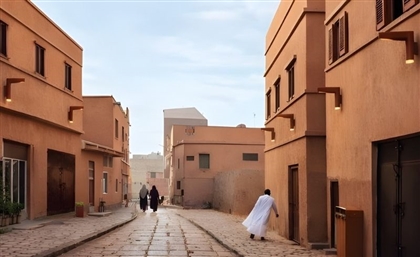
This interest in the social dimension of architecture informs what the studio calls its 'Atlas of Resonance', a methodology developed over years of practice. The concept revolves around reading a site through its visible and invisible layers: geology, memory, climate, local stories, craftsmanship and collective imagination.
Every project begins with immersion. The architects spend time on site, returning repeatedly to experience changing conditions of light, atmosphere, and use. They document extensively, collecting references that range from historical narratives and landscape conditions to local traditions and social dynamics associated with a place. "It's about feeling. Architecture is rational as well as very subjective. That's why for us it's important to connect with the site and visit repeatedly," says Selma Mikoü. The documentation gathered during this phase becomes an integral part of the design process itself.
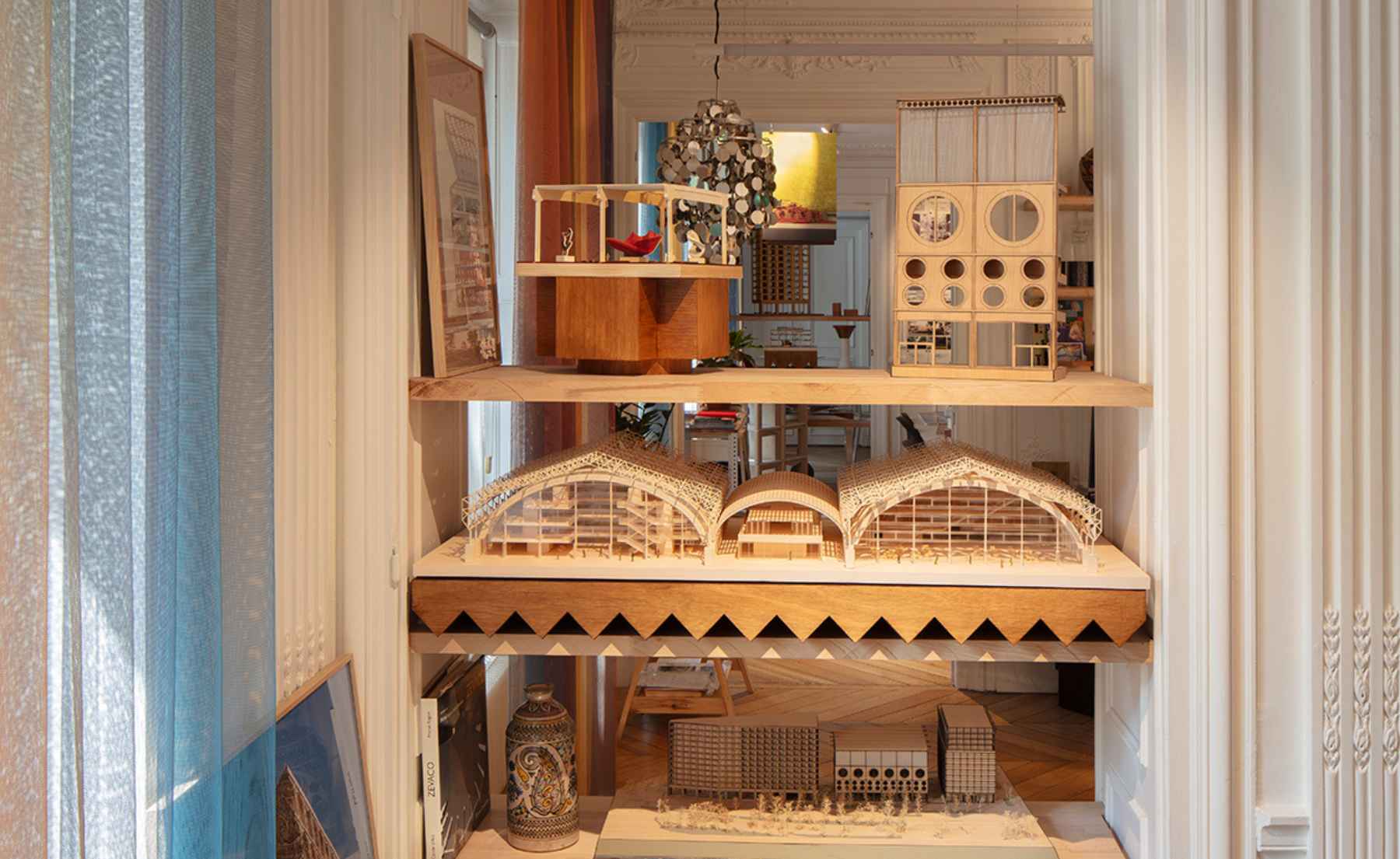
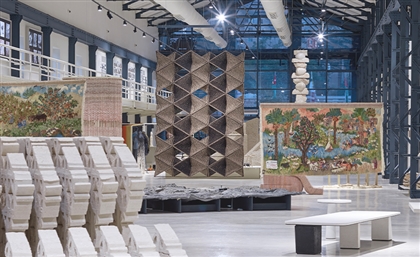
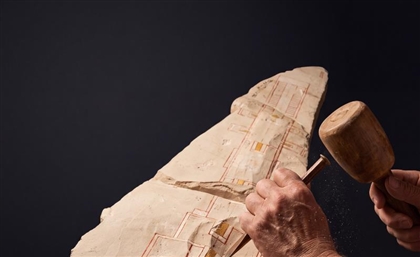
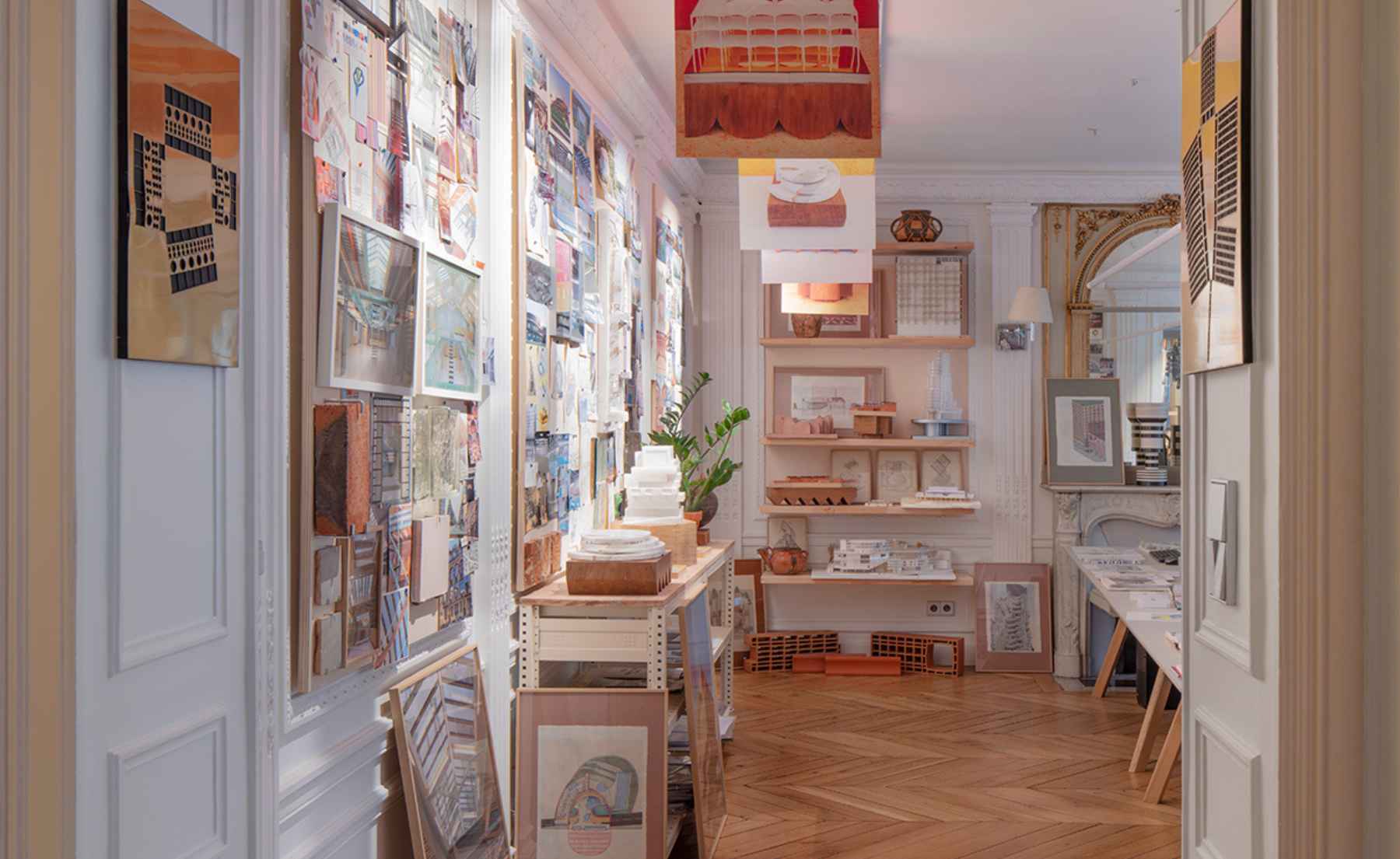
Only then does production begin. Hand sketches, collages, models, drawings, and material experiments emerge simultaneously rather than sequentially. The architects resist the traditional distinction between concept development and detailing, preferring to build both in parallel. Their creative process produces what they describe as "objects of poetic reaction", models and sculptural studies created in response to a site that gradually evolve into architectural space.
At Mikoü Studio, architecture cannot remain purely abstract. Every concept must eventually become a physical reality. Construction systems, material choices, and technical solutions are introduced early in the design process, allowing architecture to develop through an ongoing dialogue between idea and execution. "We do not like to separate concept and construction. When we have a concept, we also think about a construction system so that the two could interact," Salwa tells SceneHome.
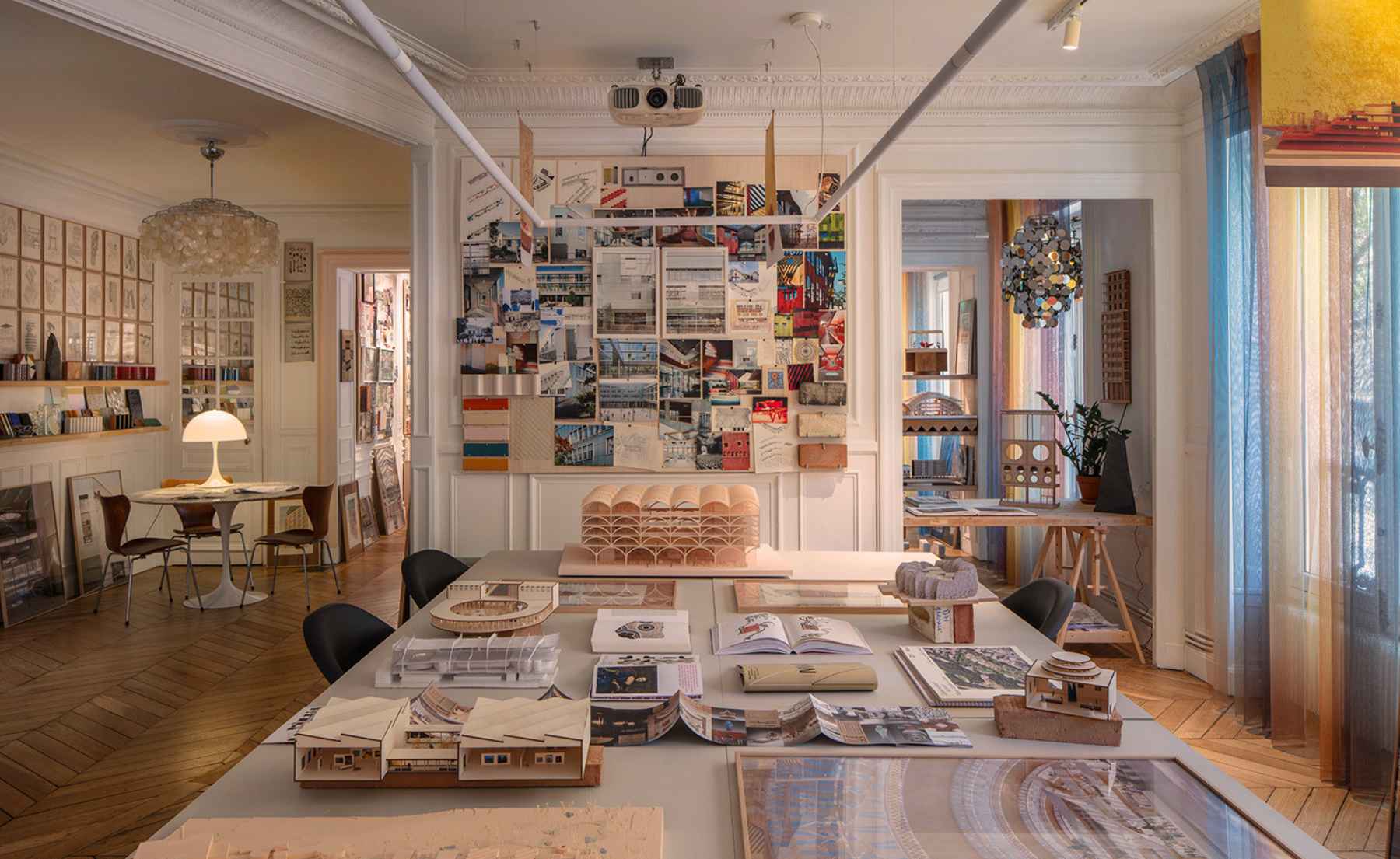
Materiality plays a central role in that process. The architects begin with what already belongs to a site, looking at local resources, traditional techniques, and existing craft cultures before introducing new interventions. They often combine vernacular knowledge with contemporary technologies, bio-based materials, and prefabrication systems, creating an approach that bridges craftsmanship and innovation.
"In our projects, we try to bring together different stories, different cultures, and different identities," Selma says. As contemporary cities continue to evolve, new ways of living, working, gathering, and learning constantly reshape the demands placed on architecture.
Rather than pursuing a fixed style, the Mikoü sisters remain committed to adaptation. "It's very important not to repeat ourselves," Salwa says. Their creative process may remain consistent, but the outcome never does.
For Selma and Salwa Mikoü, architecture is measured not by novelty or spectacle, but by the experiences it creates. "A good building is a building that has the ability to surprise us," says Selma. Functionality remains essential, but it is only the starting point. Beyond that lie memory, emotion, atmosphere, and comfort – the qualities that stay with people long after they have left a space.